It was during the tenure of the Muhammad Yunus-led interim government that Bangladesh’s 1971 Liberation War, its spirit, and those who made supreme sacrifices for independence faced one of the most concerted challenges in recent history.
A series of incidents over the 18-month period raised concerns that anti-liberation forces and their emerging political allies were gaining ground to distort the country’s founding narrative. As attempts grew to recast the war, undermine accounts of massacres, and question the role of freedom fighters, there was little visible resistance from those in power.
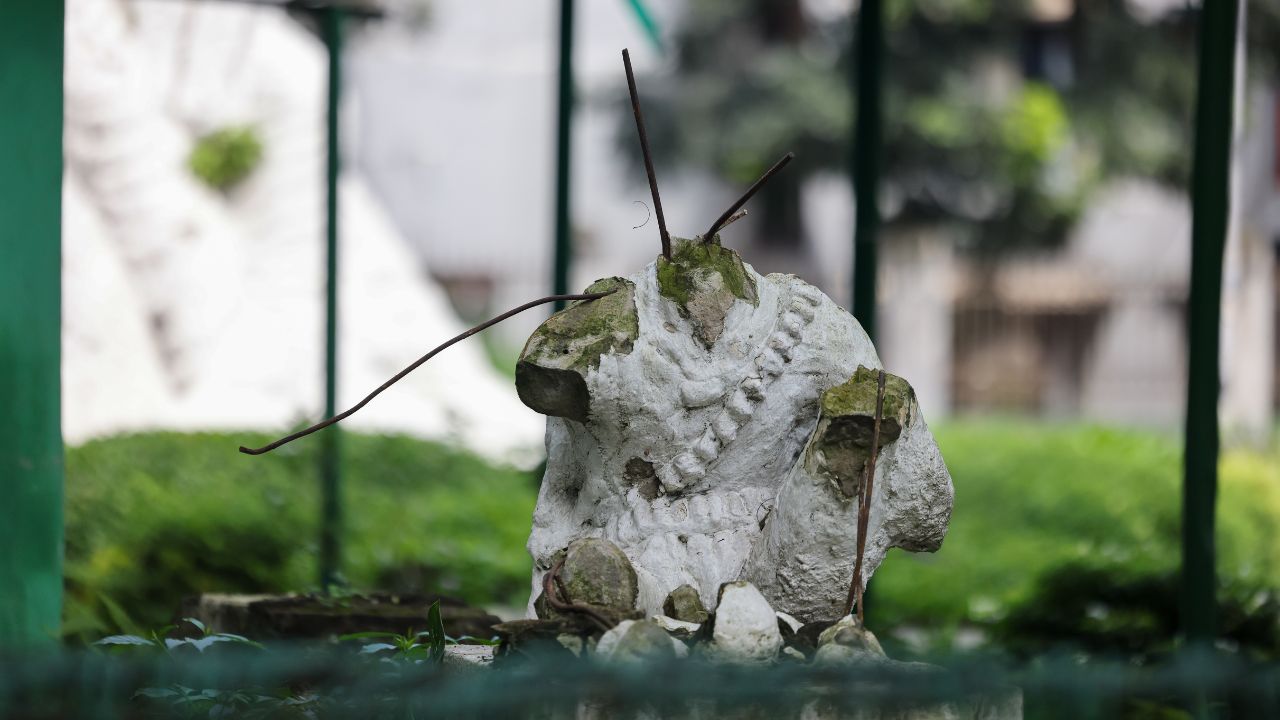
The Liberation War remains the cornerstone of the nation’s identity. Around three million people were killed before Bangladesh secured independence from Pakistan on 16 December after nine months of atrocities involving Pakistani forces and local collaborators, including Jamaat-e-Islami.

One of the most significant setbacks came with the cancellation of a Tk50 crore project by the Ministry of Liberation War Affairs. The initiative had preserved around 15,000 video interviews of freedom fighters. The Yunus administration scrapped it, citing “inconsistencies” and concerns over how the war’s history was presented.
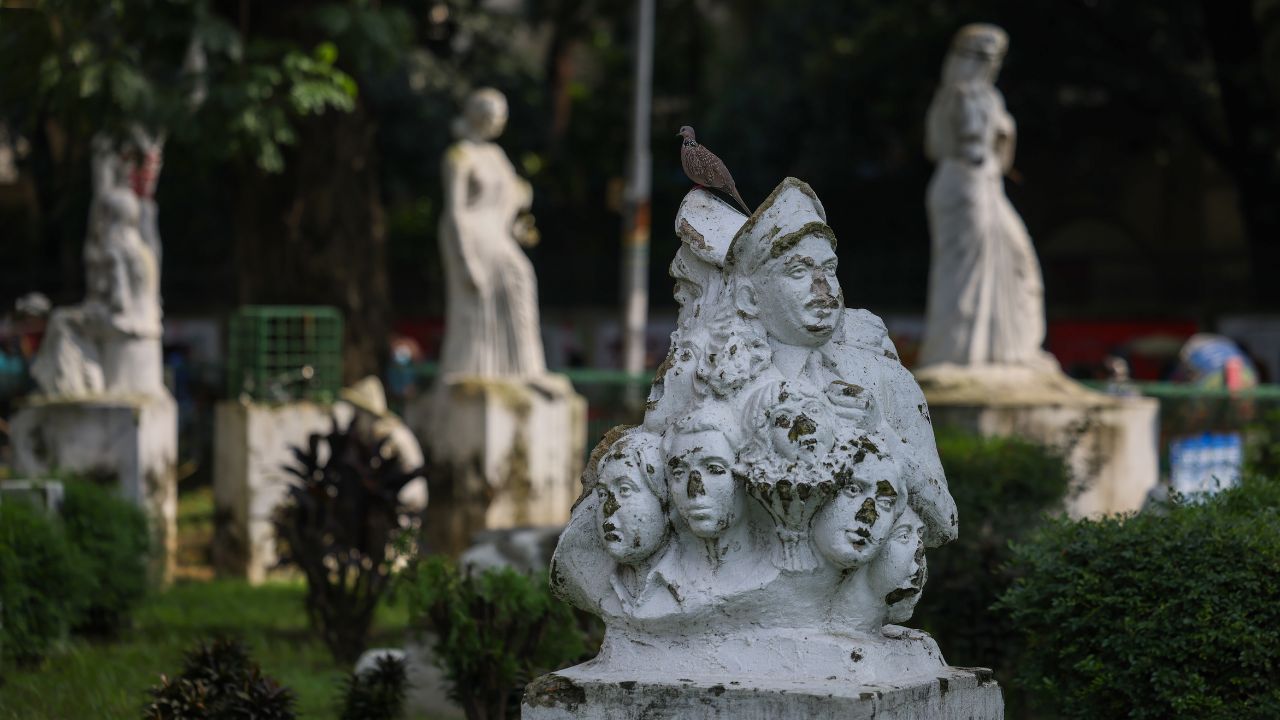
National observances also reflected this shift. Independence Day and Victory Day last year were marked in a subdued manner, with programmes largely confined to formalities amid reduced government initiatives, political changes, and budget constraints.


The 26 March celebrations saw the central parade in Dhaka cancelled due to National Stadium renovations, with observances spread across districts. 16 December followed a similarly low-key pattern.
Controversial statements further deepened unease. At a Martyred Intellectuals Day event, Jamaat Secretary General Mia Golam Parwar claimed that the 14 December killings were not carried out by Pakistani forces or their collaborators but were part of a conspiracy involving Indian forces.
Similar narratives surfaced elsewhere. In 2025, Chattogram-based Jamaat leader Mohammad Nazrul Islam described the 1971 war as a Pakistani “crackdown” rather than a liberation struggle and blamed India for key wartime events.
At the same time, Islami Chhatra Shibir published an article claiming that many Muslims joined the war “without understanding” it. The piece triggered widespread backlash from student and political groups. While the organisation later distanced itself, calling it a personal view, the author defended the claims, and only parts of the article were eventually removed online.
Together, these developments signal a growing contest over the history of 1971, raising questions about how firmly the legacy of the Liberation War is being safeguarded.