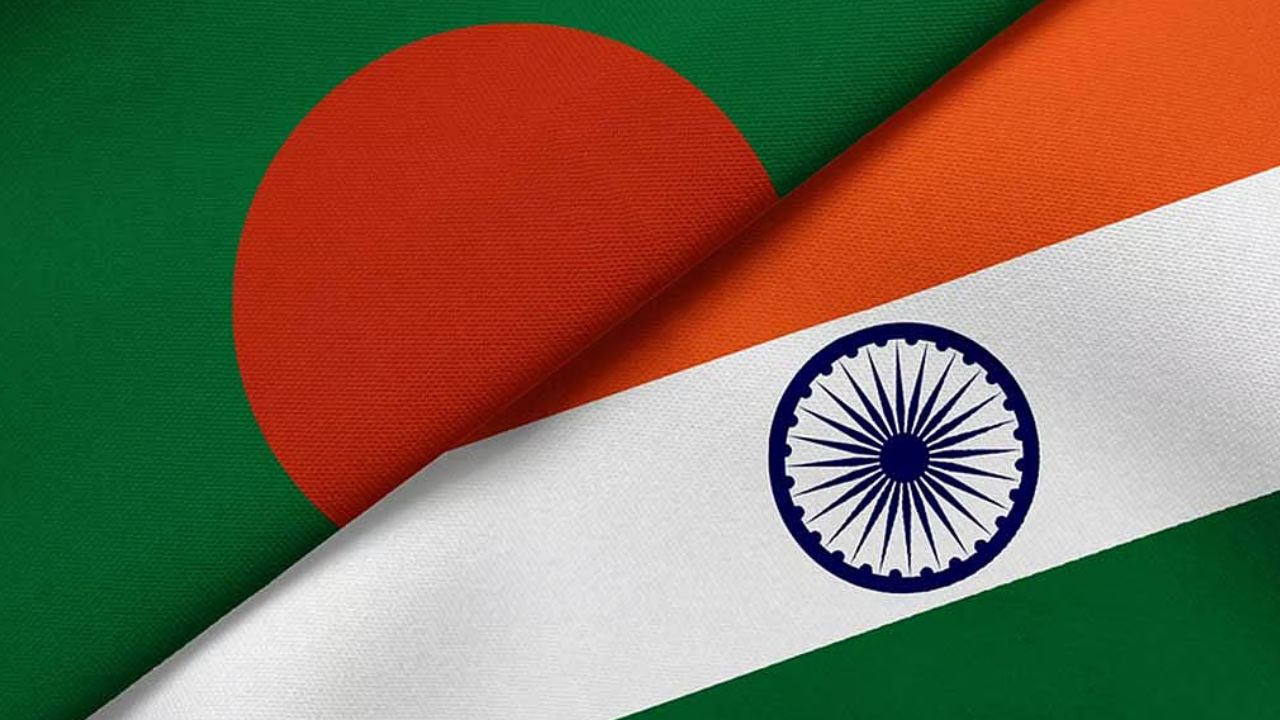
Indian political leaders are once again deploying anti-Bangladesh rhetoric in the run-up to the West Bengal state elections, a strategy analysts say is aimed at consolidating Hindu votes rather than addressing bilateral realities, according to findings of TIMES of Bangladesh.
Senior leaders of India’s ruling Bharatiya Janata Party (BJP) have intensified their campaign messaging ahead of the April–May polls, with BJP leader Suvendu Adhikari recently warning that West Bengal risks turning into a “Greater Bangladesh” and calling on voters to “save Bengal.”
The remarks have drawn criticism from diplomats and observers in Bangladesh, who view the narrative as politically motivated and potentially damaging to bilateral ties.
BJP currently rules or are coalition partners in governments of all Indian states bordering Bangladesh except West Bengal. Serving and former Bangladeshi diplomats believe the party is making a concerted effort to capture the state, where it has so far failed to secure power, by invoking identity-based fears during the election season.
A Bangladeshi diplomat posted in India said two allegations are repeatedly raised during such campaigns. “One claim is that Bangladeshis cross into West Bengal during elections to cast votes, and the other is that illegal migrants from Bangladesh are settling in India,” he told TIMES.

When asked whether such rhetoric has a tangible impact, the diplomat said it does. “If there were no impact, political parties would not use it on such a scale.”
Recent incidents
Anti-Bangladesh sentiment has also been amplified through recent political statements and media reports. On 16 January, leading Bengali daily Anandabazar Patrika in West Bengal reported that Indian Home Minister Amit Shah alleged that illegal migration from Bangladesh had altered West Bengal’s demographic pattern.
Earlier, on 8 January, national daily The Hindu published an article titled ‘Mob Justice’, describing the brutal killing of Ram Narayan, a migrant worker from Chhattisgarh, in Kerala after a mob repeatedly branded him a Bangladeshi. The incident underscored how political narratives can translate into social hostility on the ground.




Similar instances appear regularly in Indian media, where Bangladesh is often portrayed as a convenient political target during election cycles, particularly in states with large Muslim populations.
Chief Report of Kolkata-based newspaper Puber Kalom, Abdul Odud told TIMES of Bangladesh, “Anti-Bangladesh and anti-Muslim rhetoric substantially increases during the election period. In West Bengal, the objective is to attract Hindu voters and fear Muslim voters.”
The fundamentalist political party activists consider that Muslims and Bengali speakers are Bangladeshis and they are subject of torture and intimidation in different states where BJP has strong base. Not only Muslims, Dalits (low cast people) and indigenous people are also subject to intimidation, he said.
“They are trying to create division between Muslim and Hindu to get better result in the election.”
Former ambassador Md Abdul Hye said the anti-Bangladesh campaign is effectively an extension of anti-Muslim politics. “By targeting Bangladesh, Indian politicians are actually appealing to religious sentiments and attempting to consolidate their vote banks,” he said.
He noted that the use of religion in Indian politics has proved electorally effective. “In the 1980s, BJP had only two seats in parliament. Today, it is in power for a third consecutive term,” he said.
Impact on bilateral relations
While the rhetoric does strain Bangladesh-India relations, diplomats say domestic political considerations outweigh regional sensitivities for Indian leaders during election season.
“It irritates us,” Abdul Hye said. “But Indian constituencies want to hear an anti-Bangladesh narrative, and politicians find it an easy way to win voter support.”
He warned that widening animosity would ultimately harm both countries. “Leadership matters. If political leaders refrain from resorting to hate speech, their followers will eventually follow that example,” he added.
TIMES has reached out to Bangladesh’s Ministry of Foreign Affairs and Indian High Commission in Dhaka for comments.
However, a diplomat posted in India said Bangladesh regularly raises anti-Bangladesh narratives with Indian political leaders, particularly claims that Bangladeshis cross the border to cast votes. “However, they have never provided any evidence to substantiate these allegations,” he said.
Referring to the recent “push-in” initiative undertaken by the Indian authorities, the diplomat noted that even the Kolkata High Court had ruled that arbitrary deportation is unconstitutional.