The earthquakes struck in moments. Their impacts will linger for years. Across Venezuela, scenes of devastation now stretch far beyond collapsed buildings and cracked roads.
In the aftermath of the powerful quake, families search desperately for missing loved ones, rescue workers dig through mountains of concrete and dust, and thousands face an uncertain future.
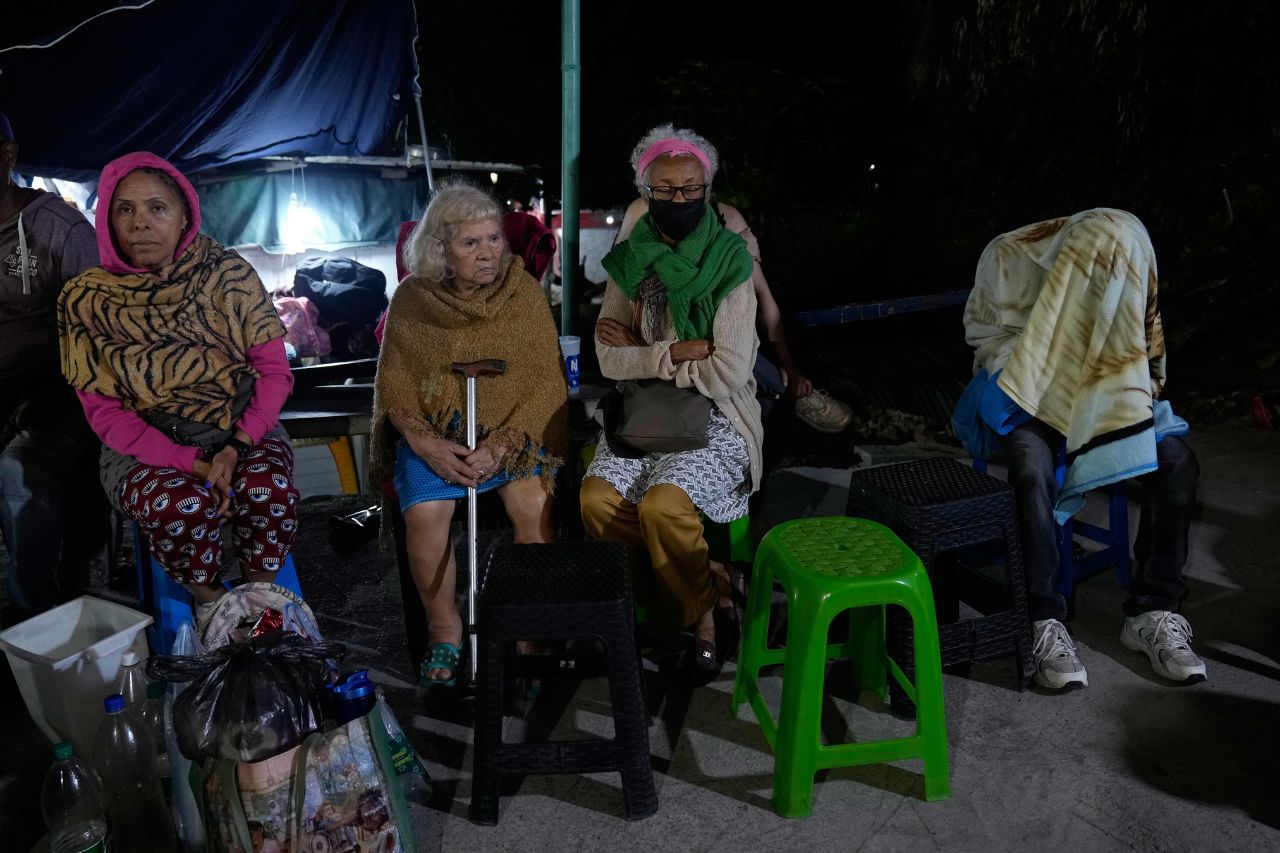
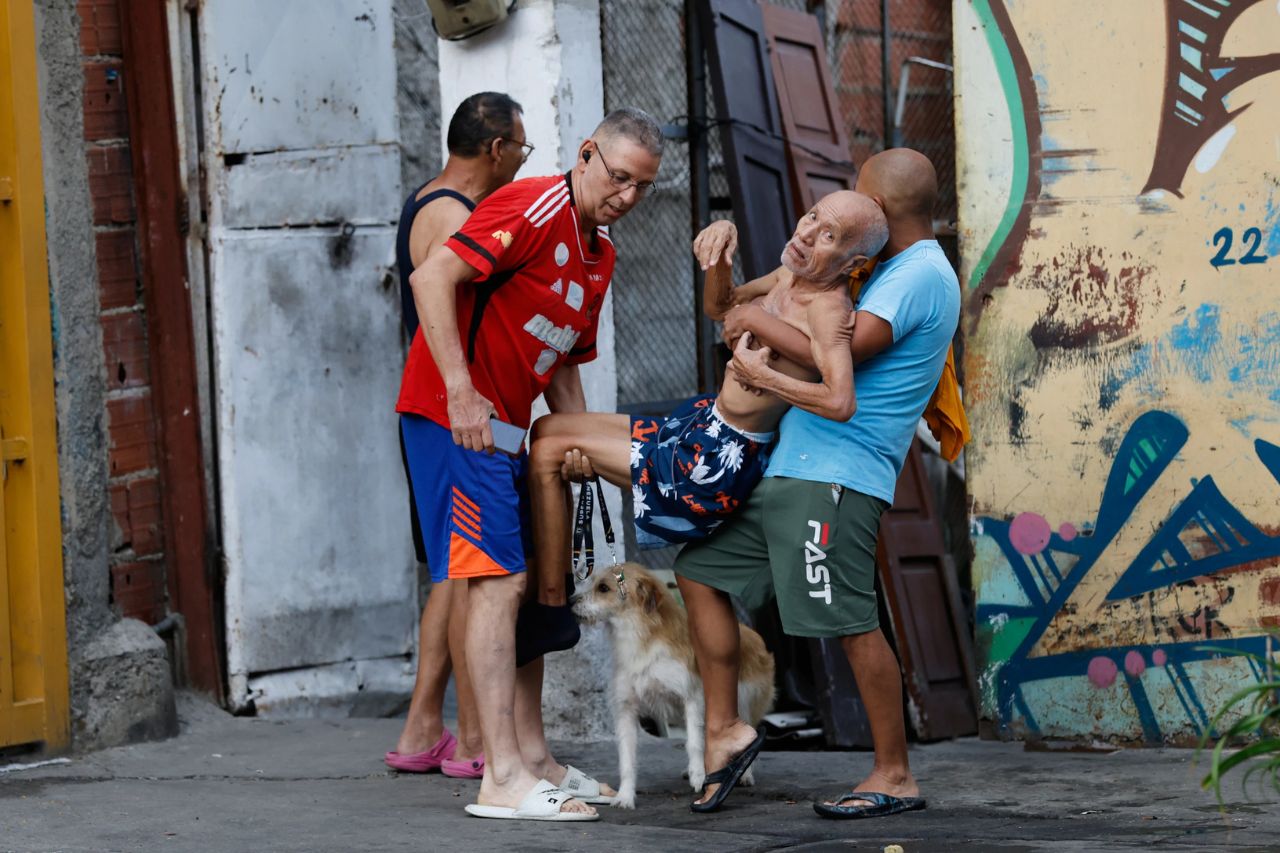
Yet amid the destruction, there are stories that statistics cannot tell. There is the mother waiting beside the rubble of her home, hoping for news. The exhausted rescuer refuses to stop searching.
The child clutching a salvaged photograph. The neighbour offering water, shelter or simply a comforting hand to someone who has lost everything.

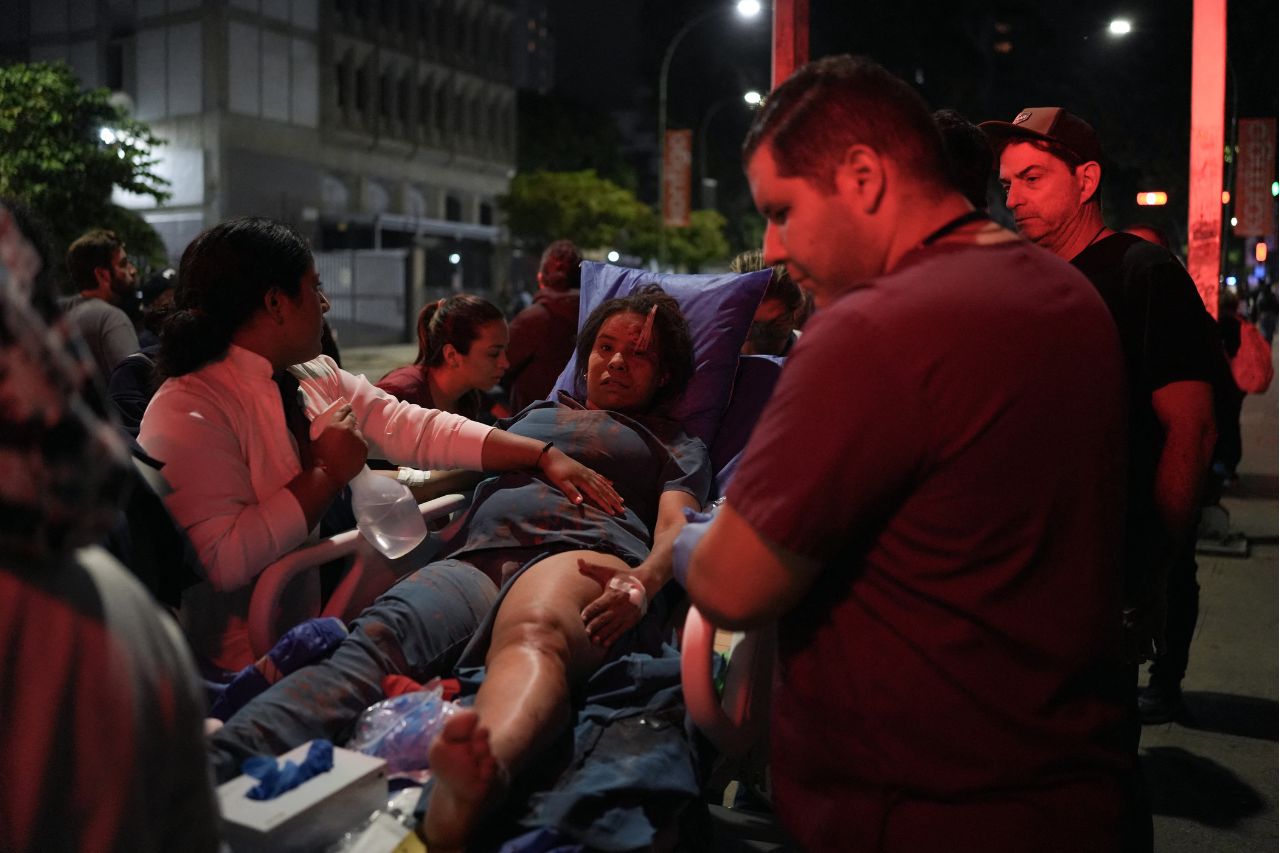
These situations reveal grief, fear, resilience and hope, the deeply human emotions that emerge when lives are suddenly upended. For many survivors, the earthquake was not just a geological event.
It was the moment their homes, memories and sense of security were shattered. For others, it became a story of courage, as ordinary people stepped forward to help strangers in their darkest hours.

In cities and towns across the country, communities have come together to clear debris, comfort the grieving and support those left with nowhere to go.
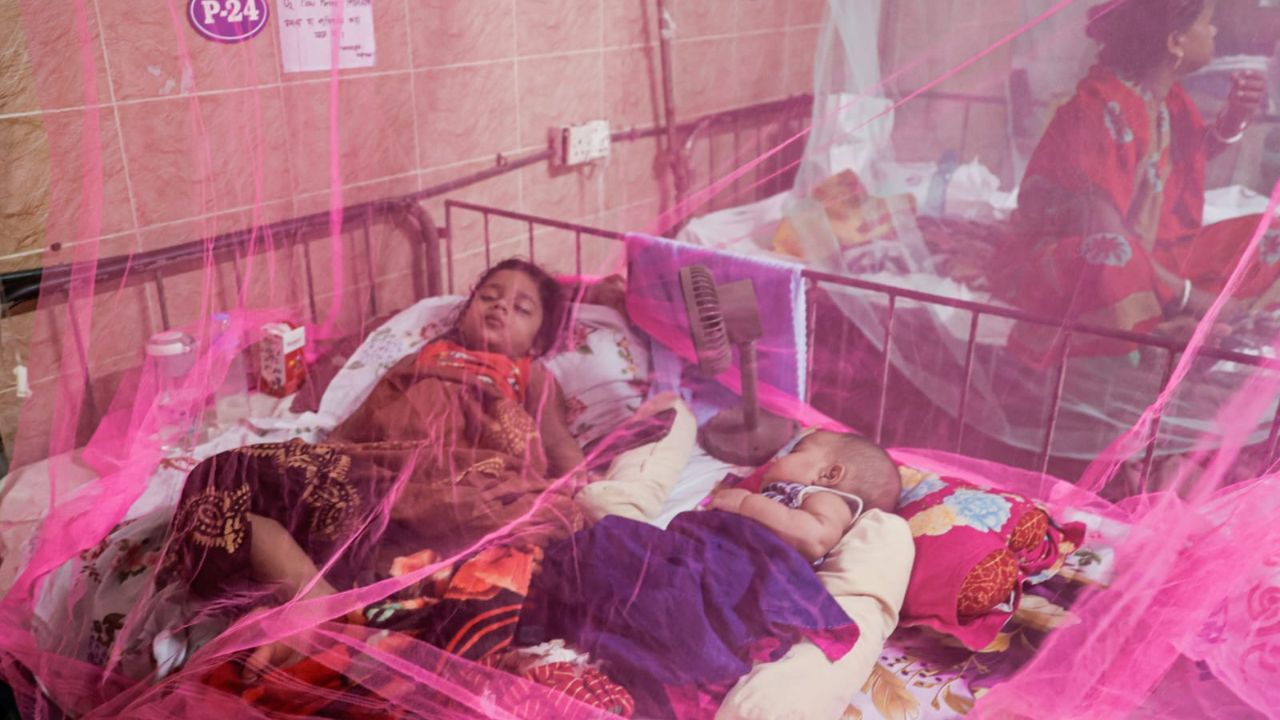


As daylight fades, the search continues. Some wait for words of loved ones.
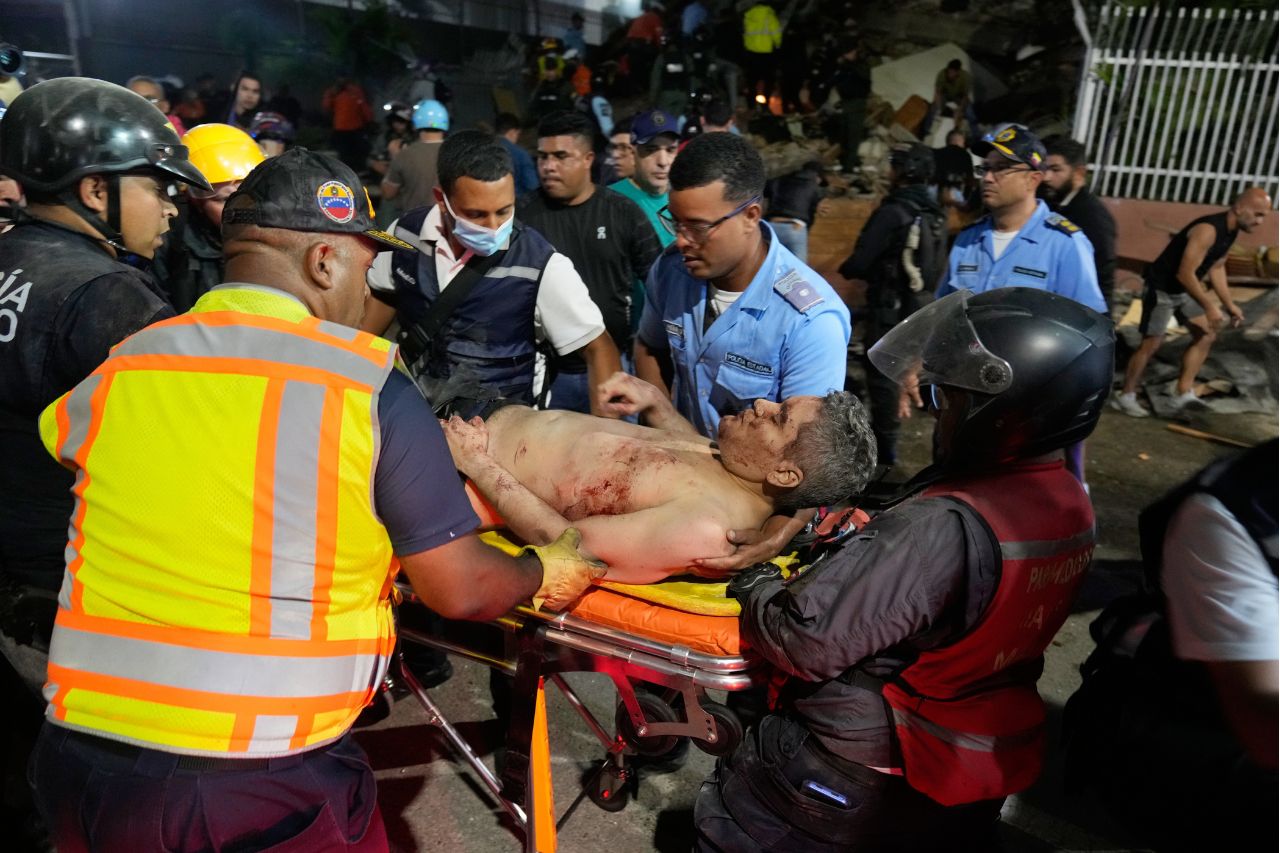
Others sift through the ruins in search of treasured belongings; fragments of lives interrupted without warning. Every face carries a different story, but all are bound by the same tragedy.
The disaster also offers a sobering reminder for a world facing growing risks.
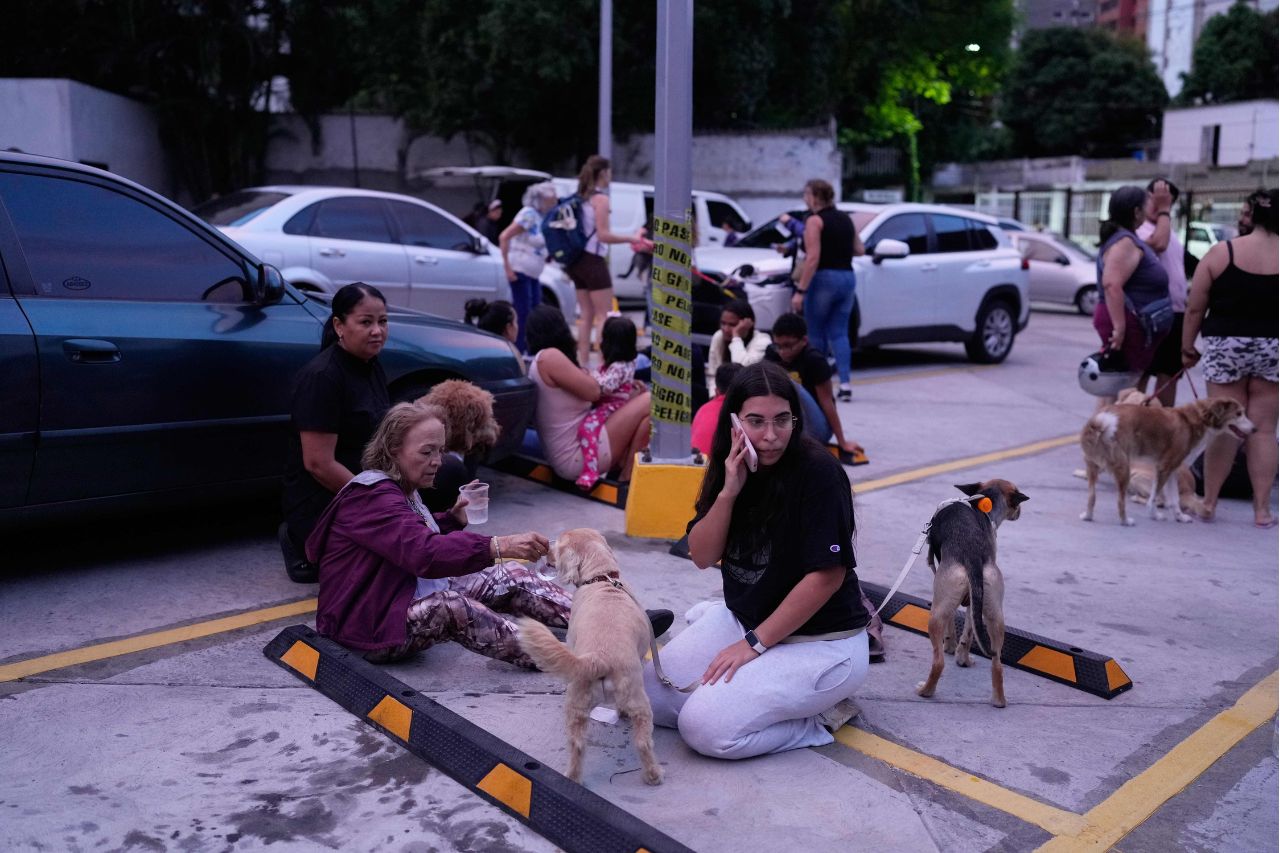
While earthquakes are not caused by climate change, communities everywhere are becoming increasingly vulnerable to disasters, from earthquakes and floods to cyclones, heatwaves and rising seas.
Rapid urbanisation, ageing infrastructure and poor preparedness can turn natural hazards into human catastrophes.
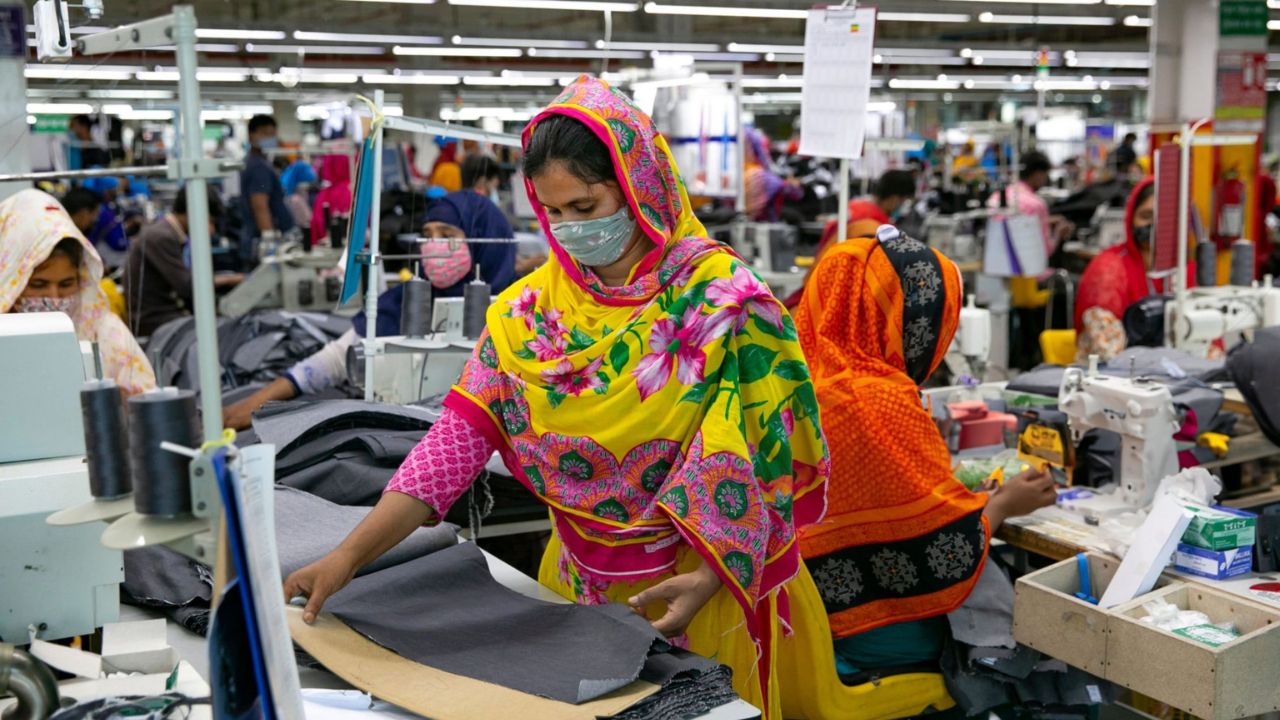
For Dhaka, the lesson is difficult to ignore. A densely populated city marked by unplanned growth, narrow roads and vulnerable buildings, it remains highly exposed to major disasters.
The scenes unfolding in Venezuela may seem distant, but they raise an urgent question: if a similar catastrophe struck here, how prepared would we be?
The answer may determine how our own story is written.