
Winter vegetables have arrived in Rajbari’s kitchen markets, yet prices have risen sharply over past week further choking low-income buyers.
Traders, however, claim prices will fall once supply stabilises in the coming days.
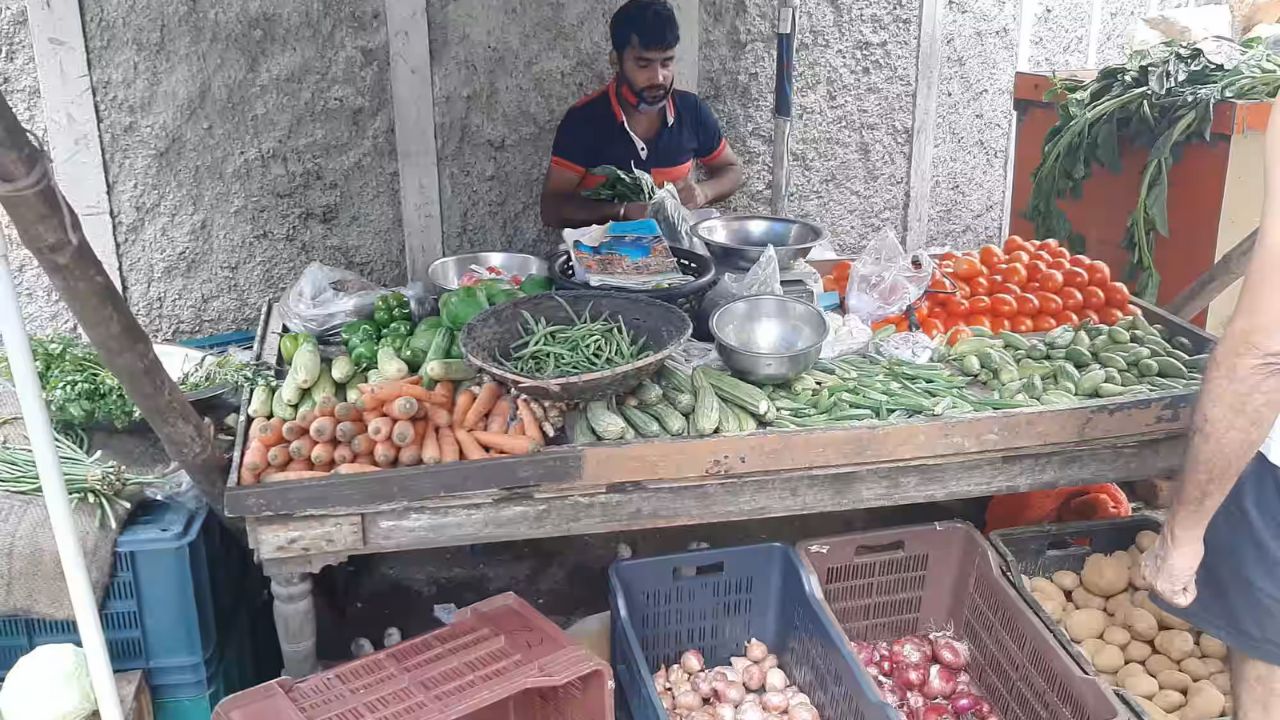
A visit to Rajbari’s major markets shows winter beans selling at Tk120 per kg, tomatoes at Tk160, and carrots also at Tk160.
Potato prices have increased, with regular potatoes selling at Tk30 per kg and new potatoes priced between Tk180 and Tk200.
Prices of cabbage and cauliflower have eased slightly, now selling at Tk40 and Tk70 per piece respectively.

Other vegetables have also become costlier as pointed gourd is Tk60 per kg, bottle gourd Tk 40-60 per piece depending on size, long beans Tk70, round aubergine Tk80, country cucumber Tk60–80, hybrid cucumber Tk50, green chillies Tk150, radishTk 30, bitter gourd Tk50, snake gourd Tk80, taro stem Tk40, pumpkin Tk40–50, olive Tk40, papaya Tk30, onions Tk90–110, garlic Tk 60–80, ginger Tk140, lemons Tk16–25 per four pieces, and green bananas Tk25–30 per bunch.
The only items whose prices have not risen are leafy greens, radish leaves, spinach, red amaranth and green amaranth are selling at Tk10 per bundle, while malabar spinach and bottle gourd leaves costTk 20.
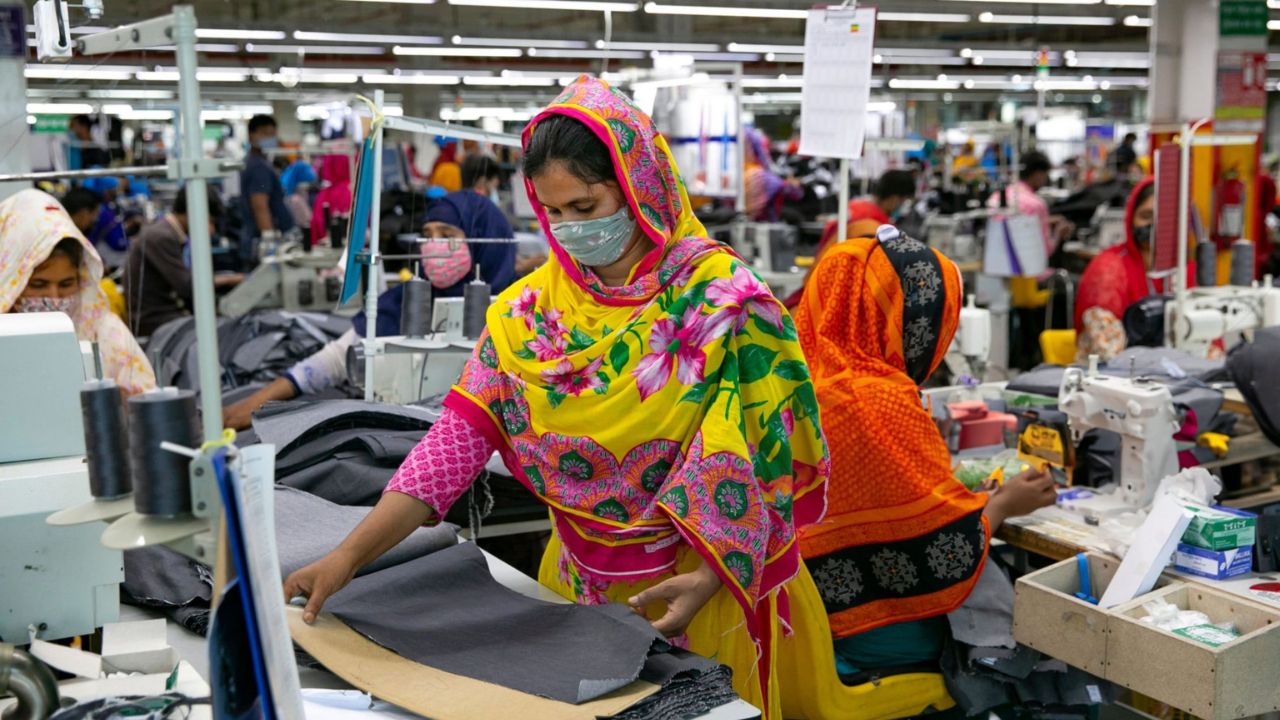
Nasima Begum, a factory worker shopping for her family, said her monthly income is only Tk8,000 and rising prices have made life extremely difficult.




“They call these new vegetables and charge more for everything. We have no choice but to buy—our hardship is increasing every day,” she said.
Rickshaw-puller Romiz Sheikh said winter vegetable supply has risen yet prices remain high. “Sellers are raising prices to fatten their pockets,” he said.
Titul, an employee of a private company, said Rajbari is known for large-scale vegetable production but prices are unusually high this year.
“Many people are buying less than they need. Market monitoring must be strengthened,” he said.


Retail vegetable seller Khokon Bepari said supply has dropped in recent weeks, particularly for potatoes and locally grown onions.
“Wholesale traders are selling to us at higher rates, which is why retail prices have increased. We expect winter vegetables to arrive in larger volumes soon, and then prices may fall,” he said.
Another seller, Russel Mia, said although winter has begun, supply still falls short of demand. “From next week more vegetables may come into the market, which should bring down prices,” he said.
Retailer Hossain Ali added that wholesalers are setting higher prices, leaving retailers with little choice.
“Customers are angry, but it is beyond our control,” he said.
Md Mahmudul Hasan, acting assistant director of the Directorate of National Consumer Rights Protection in Rajbari, said vegetable prices have increased nationwide.
“Winter vegetables are just entering the market. Once supply expands, prices should ease,” he said.
“Monitoring efforts are ongoing to keep essential commodity prices stable and within control of all income groups,” he added.