The United States is prepared to resume military operations if Iran refuses to agree to a deal, US Defense Secretary Pete Hegseth said on Thursday.
Speaking to reporters in Washington, DC, Hegseth said US forces remained on standby to re-engage in combat should diplomatic efforts fail, according to Al Jazeera.
He also claimed that the US Navy was currently controlling maritime traffic through the Strait of Hormuz, asserting that Iran “no longer has a navy”.
Hegseth further said the United States would maintain its naval blockade of Iran “for as long as it takes”, indicating no immediate plans to ease pressure on Tehran.
Issuing a direct warning, he added that Washington was closely monitoring Iran’s military movements.

“We are watching you,” Hegseth said, referring to Iranian activities and assets.
Pakistani officials are expecting a “major breakthrough” in talks between Iran and the United States over Tehran’s nuclear programme, sources told Al Jazeera, as Islamabad intensifies diplomatic efforts to end a war that has killed thousands of people.
The optimism on Wednesday came as a high-level Pakistani delegation, led by Army Chief Asim Munir, arrived in Tehran to deliver a message from the United States to the Iranian leadership, according to Iran’s Press TV broadcaster.
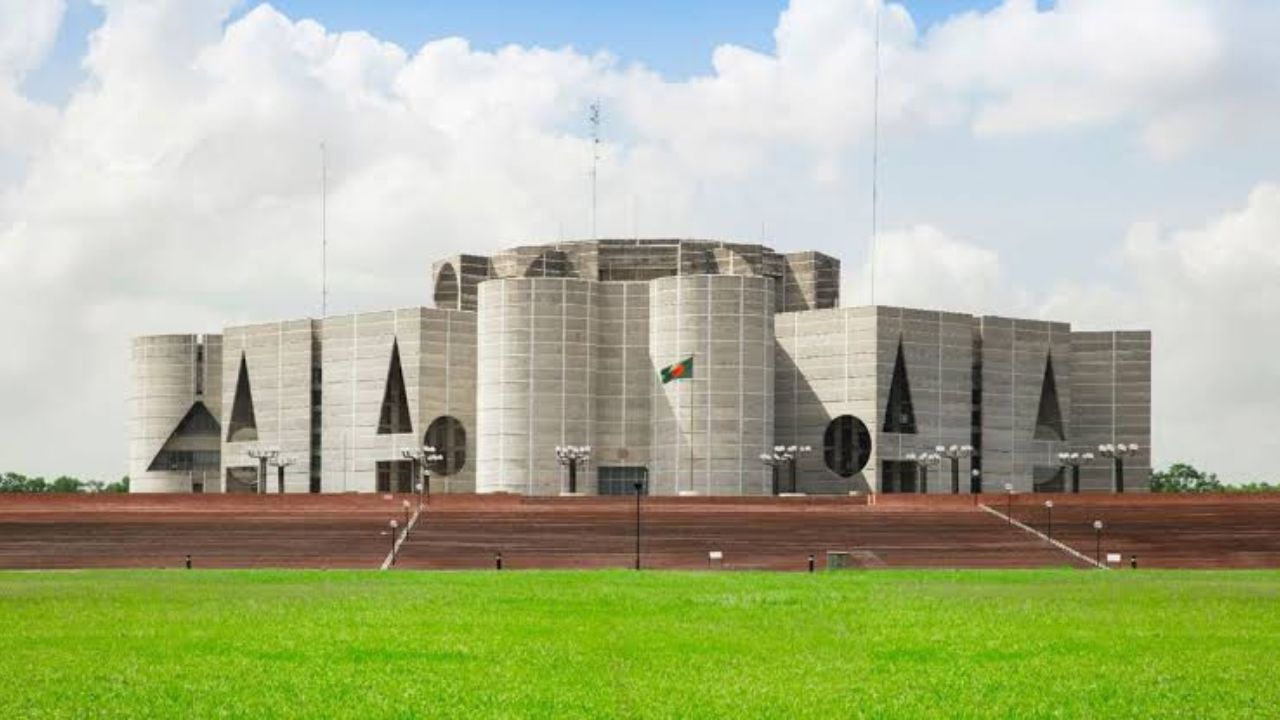



Shuttle diplomacy
‘Very close to over’
The diplomatic drive appeared to gain momentum following optimistic remarks from US President Donald Trump, who said late on Tuesday that the world should prepare for an “amazing two days” and that the war on Iran was “very close to over”.
White House Press Secretary Karoline Leavitt later said further negotiations were likely to take place in Islamabad, describing Pakistan-mediated talks as “productive and ongoing”.
“We feel good about the prospects of a deal,” she said on Wednesday.
In Tehran, Iran’s Ministry of Foreign Affairs confirmed that exchanges with the United States had continued after the conclusion of talks in Islamabad. Spokesman Esmaeil Baghaei said “several messages have been exchanged through Pakistan” and that Iran’s positions had been conveyed in those discussions.