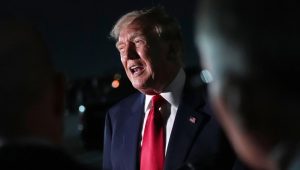
According to the White House, the United States is currently “engaged” in “productive and ongoing” discussions with Iran, even as a comprehensive maritime blockade of all Iranian ports remains in effect.
Washington has officially refuted claims that it sought a formal extension of the existing fortnight-long ceasefire agreement with the Iranian government, reports BBC.
While Press Secretary Karoline Leavitt stated that the US “feels good” about the prospects of securing a deal, she confirmed that a timeline for subsequent negotiations has not yet been determined.

In a parallel diplomatic effort, a delegation from Pakistan – serving as a mediator between the two nations – has arrived in Tehran for further consultations with the Iranian leadership.
The US-enforced blockade on all vessels entering or departing Iranian ports is now considered “fully implemented”.


Officials have not provided a definitive timeframe for how long these restrictions will persist. US Central Command has reported that no vessels have successfully breached the blockade since its commencement, noting that ten ships complied with instructions to return to Iran.
Investigations by BBC Verify indicate that several vessels in the area are attempting to mask their positions by disabling trackers, jamming signals, or using “spoofing” techniques.
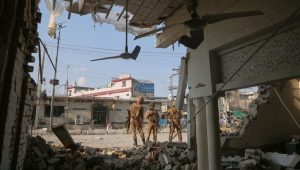
Simultaneously, the conflict between the Israel Defence Forces (IDF) and Hezbollah continues in Lebanon. IDF Chief of Staff Eyal Zamir has characterised the entirety of southern Lebanon below the Litani River as a “killing area” for Hezbollah forces.
Israeli Prime Minister Benjamin Netanyahu remarked that his country is “prepared for any scenario” regarding the hostilities, asserting that Israel’s strategic objectives remain consistent with those of the US.
These comments follow Tuesday’s talks between Israel and Lebanon, which Beirut described as “productive” and which Israel claimed proved both states were on the “same side of the equation”.