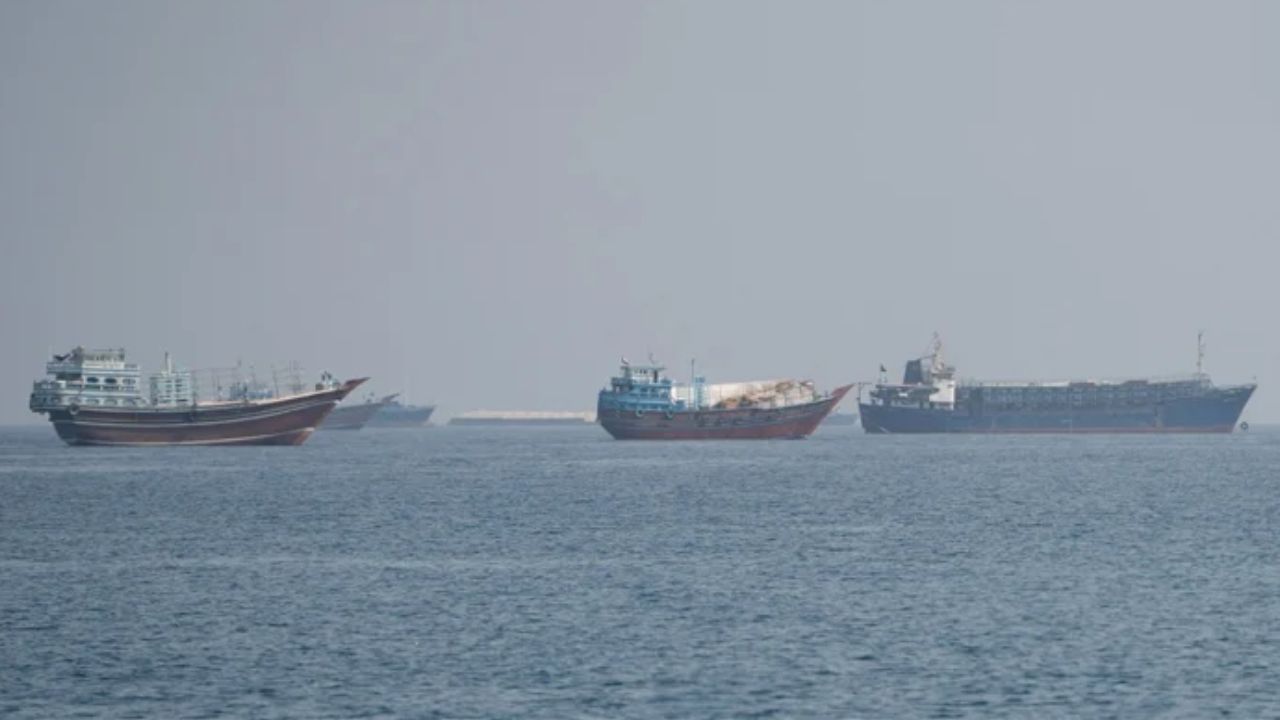
Senior aides to US President Donald Trump say the administration is increasingly considering whether to resume combat operations against Iran as uncertainty grows over the future of the fragile ceasefire between Washington and Tehran.
Trump recently described the ceasefire as being on “life support” after rejecting Iran’s latest counterproposal aimed at ending hostilities and reopening negotiations.
Despite heightened rhetoric, a major decision on the future direction of US policy is unlikely before Trump departs for China this week for a high-stakes summit with Chinese President Xi Jinping.
The trip comes at a sensitive moment for global diplomacy, with Beijing increasingly viewed as a potential intermediary capable of helping prevent a wider regional conflict.
An adviser to Iran’s supreme leader warned Trump not to interpret the current reduction in fighting as a strategic victory as he heads to Beijing, signalling that Tehran remains cautious despite the temporary lull in direct confrontation.
US Defense Secretary Pete Hegseth confirmed he will accompany Trump during the visit, underscoring the strategic importance of the summit amid continuing tensions in the Middle East.
China emerges as potential mediator
Iran’s ambassador to China, Rahmani Fazli, said Beijing could play a constructive role in reducing tensions between Tehran and Washington.

“China can be an important force for reducing tensions between Tehran and Washington,” Fazli told Iran’s state-run Islamic Republic News Agency (IRNA).
At the same time, he stressed that any mediation effort should not become a mechanism for increasing pressure on Iran.
Fazli described China as more than simply an economic partner, calling Beijing part of Tehran’s broader “political balancing” strategy against external threats.
His remarks followed a recent visit to Beijing by Iranian Foreign Minister Abbas Araghchi, which analysts say was aimed at strengthening diplomatic coordination with China as Iran reassesses its regional and international strategy following the conflict with the United States and Israel.
According to sources familiar with White House discussions, Washington is unlikely to take any dramatic military or diplomatic steps before Trump concludes his China visit, suggesting the administration wants to gauge Beijing’s position before deciding its next move.




Rising cost of conflict
The financial burden of the conflict is also becoming increasingly significant for Washington.
US officials told Congress this week that the war against Iran has now cost an estimated $29 billion, up from an earlier estimate of $25 billion provided only two weeks ago.
Jay Hurst, acting Pentagon comptroller, said the revised figure reflects growing operational expenses as well as updated estimates for repairing and replacing military equipment.
“Operational costs to maintain forces in the region continue to rise,” Hurst told a House Appropriations Committee hearing.
The mounting economic cost comes at a politically sensitive time for the Trump administration as Americans face higher fuel prices and broader economic uncertainty linked to instability in the Gulf region.
Trump confident on uranium issue
Despite stalled negotiations, Trump insisted he remains confident Iran will eventually abandon uranium enrichment and any pursuit of nuclear weapons capability.
Speaking in an interview with WABC’s Sid and Friends in the Morning, Trump said he believed Iran would ultimately halt enrichment activities.
“100% they’re going to stop,” he said when asked whether Tehran could be prevented from developing nuclear weapons.
Trump also suggested he has been personally engaged in discussions with Iranian officials during the ongoing diplomatic efforts.
“I deal with them,” he said. “We’re going to get the dust — the nuclear dust.”
The president argued there was no need for Washington to rush into a final agreement, citing the ongoing US blockade against Iran as a source of leverage.
Domestic pressure grows in Washington
The prolonged conflict is also creating political challenges for Trump at home.
A recent Reuters/Ipsos poll found that many Americans remain deeply concerned about economic conditions linked to the war, including rising fuel prices and broader inflationary pressures.
The survey also suggested a significant portion of voters feel the administration has not adequately explained the rationale behind the conflict with Iran.
Trump’s overall approval rating remains under pressure, with the poll showing 36 percent of Americans approving of his performance in office.
While that figure represents a slight improvement from the previous month, analysts say it remains a concern for Republicans ahead of upcoming midterm elections, where control of Congress could be at stake.
The growing domestic debate over the conflict may increase pressure on lawmakers in Washington to scrutinise military spending and push for clearer strategic objectives.