
TIMES International
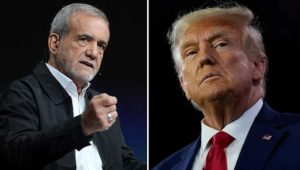
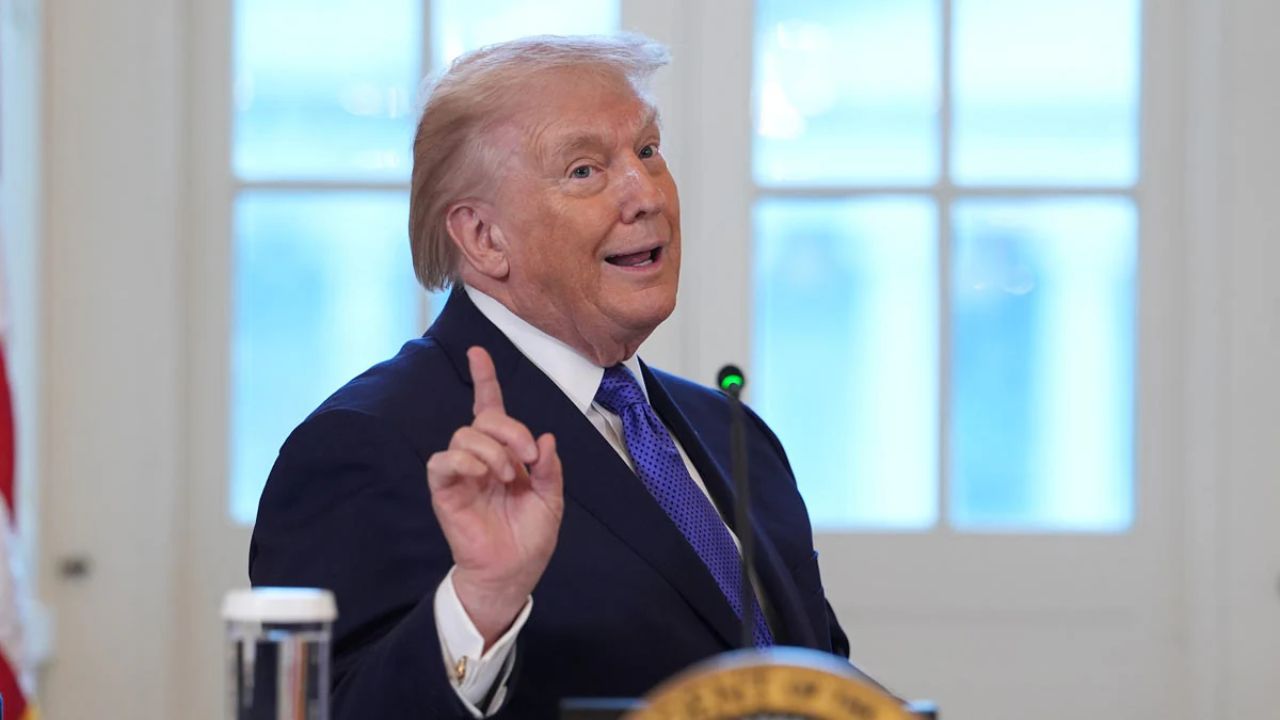
US President Donald Trump has claimed he called off air strikes on Iran because a peace deal is close to being agreed, with the time and place of signing “to be announced shortly”.
However, Iran’s Foreign Ministry dismissed these reports, stating that “the main part of the text was almost finalised but the Americans were being greedy and raising new requests”, reports Al Jazeera.
Earlier, Trump had warned Iran it would be hit “very hard” and threatened that US forces would take Kharg Island and other key oil infrastructure points.
The ongoing attacks have now resulted in 3,711 deaths and 11,483 wounded, as Israel’s army continues its bombardment and occupation of southern Lebanon.

Defence analyst Wolfgang Pusztai, a former Austrian military official, dismissed Trump’s claims that a deal would be announced imminently.
“All the statements of the US president must be seen under the condition they should not be taken literally. Trump’s statements are part of information warfare,” Pusztai said.



According to Pusztai, Trump is addressing three audiences with his statements: his Republican base, international stock and oil markets, and the Iranian government.
“He wants to increase the pressure on Iran by these statements by threatening military action and by continuing the blockade,” he told Al Jazeera.
Israeli Prime Minister Benjamin Netanyahu issued a brief statement saying Trump would keep Israeli priorities in mind in any deal with Iran, including the de-commissioning of Iran’s uranium and its missile capabilities.
Israel’s minister of energy added that the country does not need to commit to any agreement that fails to meet its goals and could act independently.
“This is a bit of a stretch because, if you speak to military analysts, they’ll tell you Israel still relies heavily on US support. The worry now is that it’s not just Iran but limitations to Israel’s attacks on Lebanon as well, and that is going to cost the Israeli prime minister a lot of support,” the report said.
Netanyahu has already seen his popularity dip ahead of elections in a few months, adding further pressure.
Meanwhile, Tehran has downplayed reports of a 14-point peace deal.
“The reality on the ground is we’ve got a lot of sticking points when it comes to an agreement: the situation in the Strait of Hormuz, war reparations, the removal of naval blockades, the dropping of sanctions, and the freeing of Iran’s frozen assets,” said a spokesperson for the Ministry of Foreign Affairs.
The spokesperson added that while a 14-point draft has been reported by several media outlets, “this is just media speculation. It remains unclear whether this will end up in a long-lasting peace or at least a short opportunity for the two sides to further continue talks. This is something that we have to keep waiting to see.”
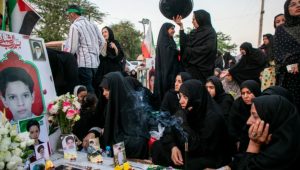
For ordinary Iranians, the situation remains difficult. The population has endured the shadow of war for over a year, but there is cautious hope that a negotiated settlement could ease sanctions and improve livelihoods.