




US President Donald Trump is set to visit China on 14-15 May for a closely watched summit with Chinese President Xi Jinping, in what analysts describe as one of the most consequential meetings between the world’s two most powerful leaders in recent years.
The summit comes at a time of mounting geopolitical tension and economic uncertainty, with Washington and Beijing divided on a wide range of issues including the Middle East conflict, Taiwan, tariffs, technology, and global strategic influence.
Diplomats and analysts say the outcome of the meeting remains difficult to predict. While the summit could help narrow differences and stabilise ties between the two powers, it could also expose deeper strategic rivalry and increase uncertainty in the global order.
Former Bangladeshi foreign secretary Md Shahidul Haque said the personalities and leadership styles of the two leaders add another layer of unpredictability to the summit.
“Donald Trump and Xi Jinping are two completely different personalities,” he said. “Trump is transactional, while Xi is strategic. Trump prefers a high-profile and confrontational approach, whereas Xi projects a calm and measured posture.”
According to Haque, issues related to Taiwan, trade, and technological sovereignty are likely to dominate the discussions, although the Middle East crisis will also feature prominently.
A summit amid global uncertainty
The meeting takes place as the United States faces increasing international scrutiny over its handling of the Middle East conflict and intensifying competition with China over global influence.
Former Bangladesh ambassador to China Munshi Faiz Ahmad said Washington has adopted a more assertive posture during Trump’s second term but is now encountering resistance from multiple fronts.

“The Trump administration has been pursuing aggressive policies and is facing growing challenges internationally,” he said.
He noted that Trump’s domestic approval ratings have weakened amid rising economic pressures and public dissatisfaction linked to global instability and energy prices.
“Global resentment over the US-Israel war against Iran is increasing, and Trump may now be looking for a face-saving diplomatic solution,” he added.
Former Bangladesh high commissioner to India Md Mostafizur Rahman echoed the view that the summit is unlikely to produce an immediate breakthrough on the Middle East crisis but could influence the future diplomatic direction of the conflict.
“I do not expect a major breakthrough during the visit,” he said. “However, the discussions may shape the future discourse surrounding the conflict.”
The ‘Three Ts’: Taiwan, trade, and technology
At the core of the summit are what analysts describe as the “Three Ts” — Taiwan, trade in goods, and technology — issues that directly affect the national interests and strategic calculations of both countries.



The Taiwan issue remains one of the most sensitive points in US-China relations. Beijing considers Taiwan an integral part of China and views any foreign engagement with the island as interference in its internal affairs. Washington, meanwhile, continues to maintain strategic and security ties with Taiwan.
Haque described Taiwan as a non-negotiable issue for Beijing.
“The Taiwan question will define the political boundaries of the relationship,” he said. “China sees it as a core sovereignty issue, while the United States has broader strategic motivations linked to the Indo-Pacific balance.”
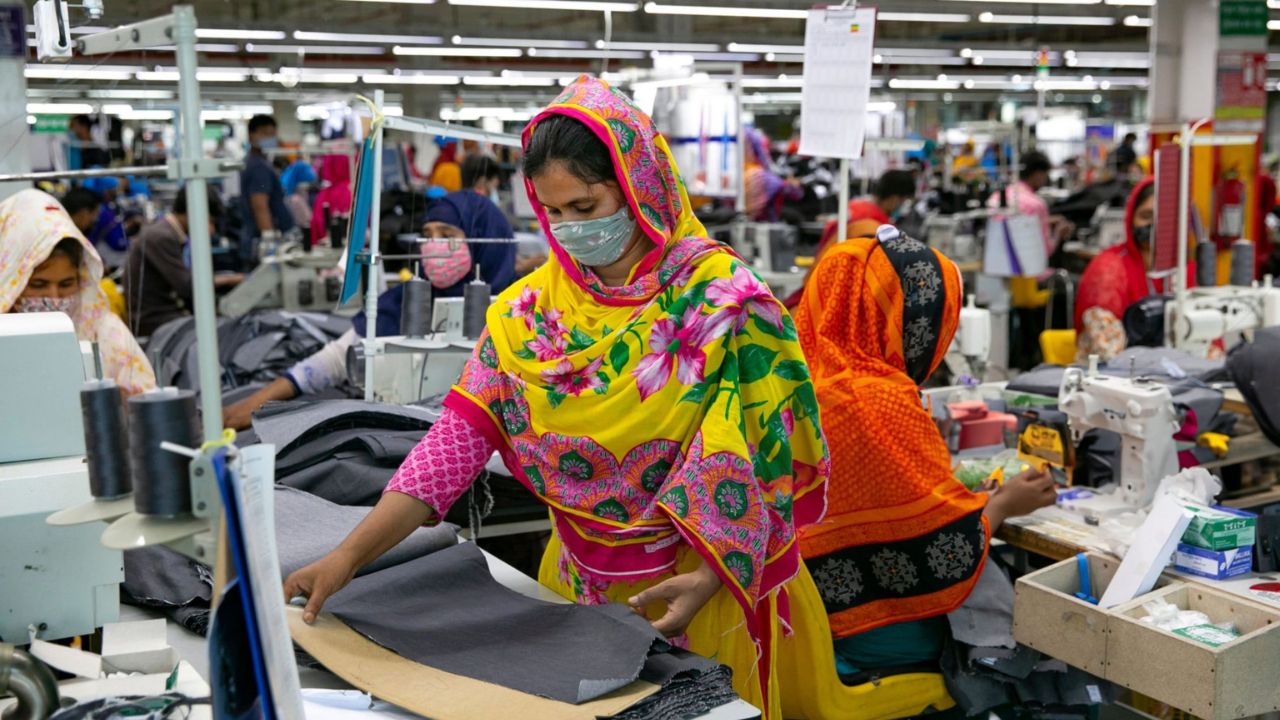
Trade tensions are also expected to feature heavily in the discussions. Trump has repeatedly used tariffs and trade pressure as tools in negotiations with Beijing and is expected to seek tangible economic gains from the summit. China may seek a relationship based on the global trade regime, whereas the US may try for bilateral transactional deals.
According to Haque, Trump may push for visible commitments from China, such as purchases of Boeing aircraft or agreements to increase imports of American agricultural and energy products.
China, however, is likely to prioritise long-term economic stability and predictable trade relations rather than short-term symbolic deals.
Technology and digital sovereignty are another major area of contention.
China is seeking greater independence in advanced technologies including artificial intelligence, semiconductor manufacturing, and digital infrastructure. The United States, meanwhile, retains an advantage in high-end chip design and advanced AI research, while China controls much of the world’s supply of rare earth minerals essential for modern technology production.
“It is an extremely important issue for both countries,” Haque said. “The convergence point is still unclear.”
Middle East crisis to feature prominently
The Middle East conflict is expected to be one of the key foreign policy issues discussed during the summit.
Washington is reportedly hoping Beijing will use its influence with Iran to encourage Tehran to move toward a negotiated settlement with the United States.
China maintains close economic and diplomatic ties with Iran and remains one of the largest buyers of Iranian oil exports.
Recent visits by Iranian Foreign Minister Abbas Araghchi to Beijing have drawn close attention from Washington.
Munshi Faiz Ahmad said Trump may seek Chinese assistance to secure a politically acceptable settlement before the US midterm elections.
“There is a possibility that Trump may ask Xi to use his influence to help reach a solution,” he said.
Mostafizur Rahman agreed that while a final settlement remains unlikely, continued dialogue between Washington and Beijing is important for regional stability.
“The conflict needs to end because countries like Bangladesh are suffering despite having no involvement in the war,” he said.
The outcome of the summit is expected to have implications far beyond the bilateral relationship.
For developing economies such as Bangladesh, the continuation of geopolitical tensions threatens energy security, food supply chains, and broader economic stability.
A prolonged confrontation in the Middle East or deeper economic rivalry between the United States and China could further disrupt global markets already strained by inflation and supply chain instability.
Diplomats say the world will be watching closely to see whether the Trump-Xi summit produces a pathway toward managed competition or signals a further deterioration in relations between the two superpowers.
Despite deep disagreements, analysts believe both leaders recognise the risks of uncontrolled escalation and the importance of maintaining strategic communication between Washington and Beijing at a time of growing global uncertainty.