In a city where glass towers rise from dust and concrete, a quiet relic of another era continues to move through the margins of progress. In scattered corners of Dhaka, along half-paved roads, inside brickfields, and deep within construction zones, the old Bedford trucks still rumble on.
They do not belong to the present. Their faded paint, dented bodies, and stubborn engines speak of a different time, one that refuses to disappear completely.
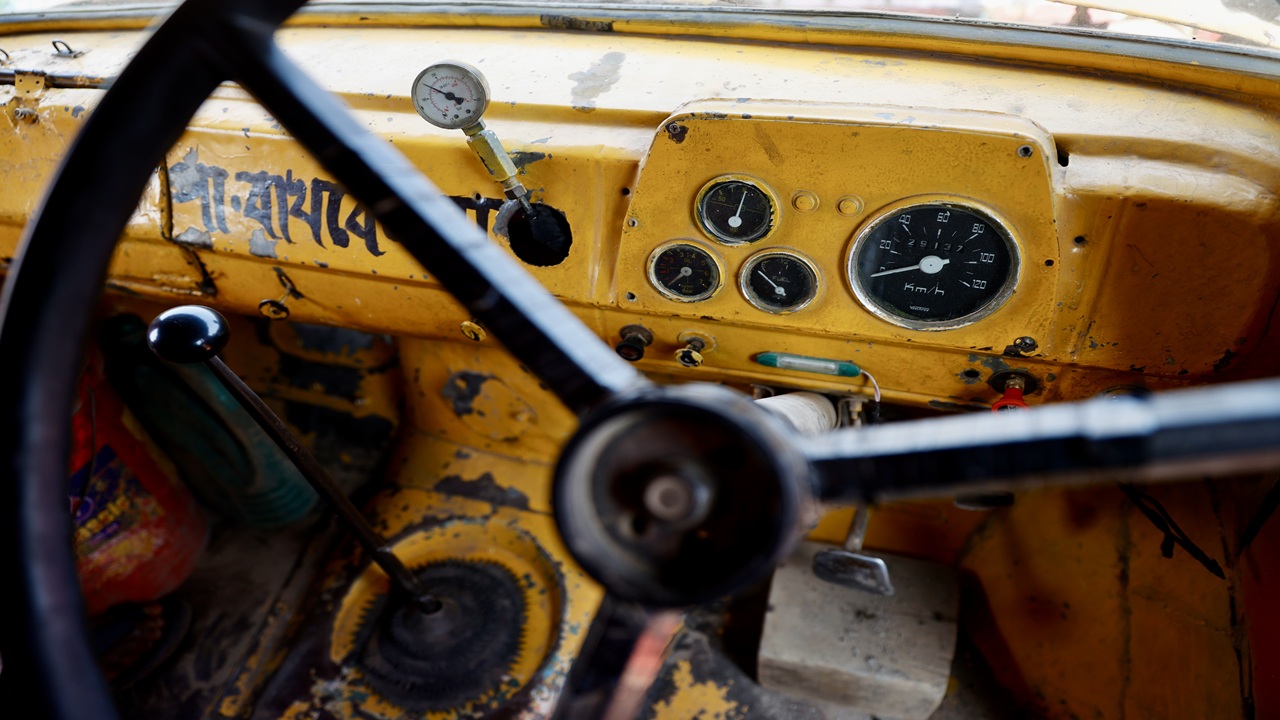
Introduced to this region decades ago, Bedford trucks once formed the backbone of transport across Bangladesh. Manufactured by a British company under General Motors, they became especially prominent between the 1970s and 1990s, carrying goods across long distances when alternatives were limited. But their role was not only economic.

During the Liberation War of 1971, these trucks carried fighters, civilians, and essential supplies through uncertain and often dangerous routes. In moments of national crisis, they became vehicles of survival.
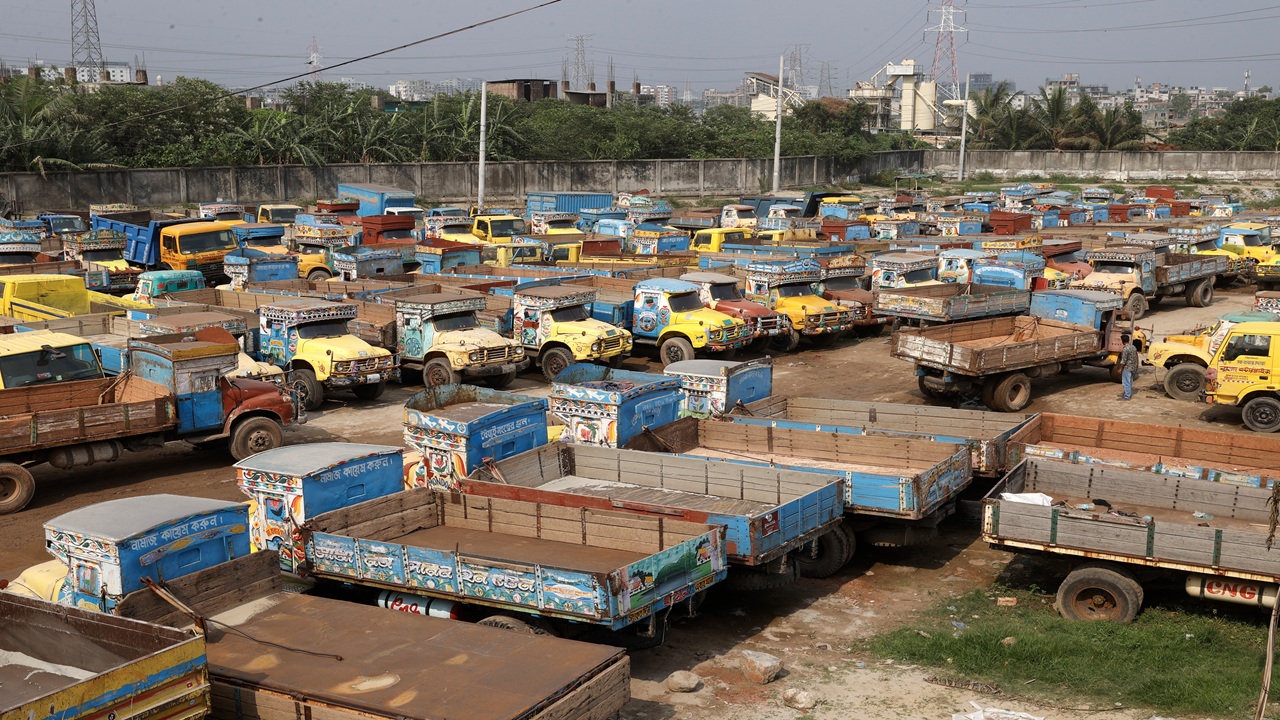
Time, however, has not been kind. Today, their presence on highways has significantly declined. Modern trucks have replaced them in most sectors, offering greater efficiency and regulatory compliance. However, Bedford trucks have not disappeared; instead, they have shifted into more demanding environments.




They are still active in construction work, especially in areas with rough, uneven, and muddy roads. In brickfields and construction zones around Dhaka, these trucks continue to carry bricks, sand, soil, and coal. Their strong structure allows them to operate where many newer vehicles struggle.
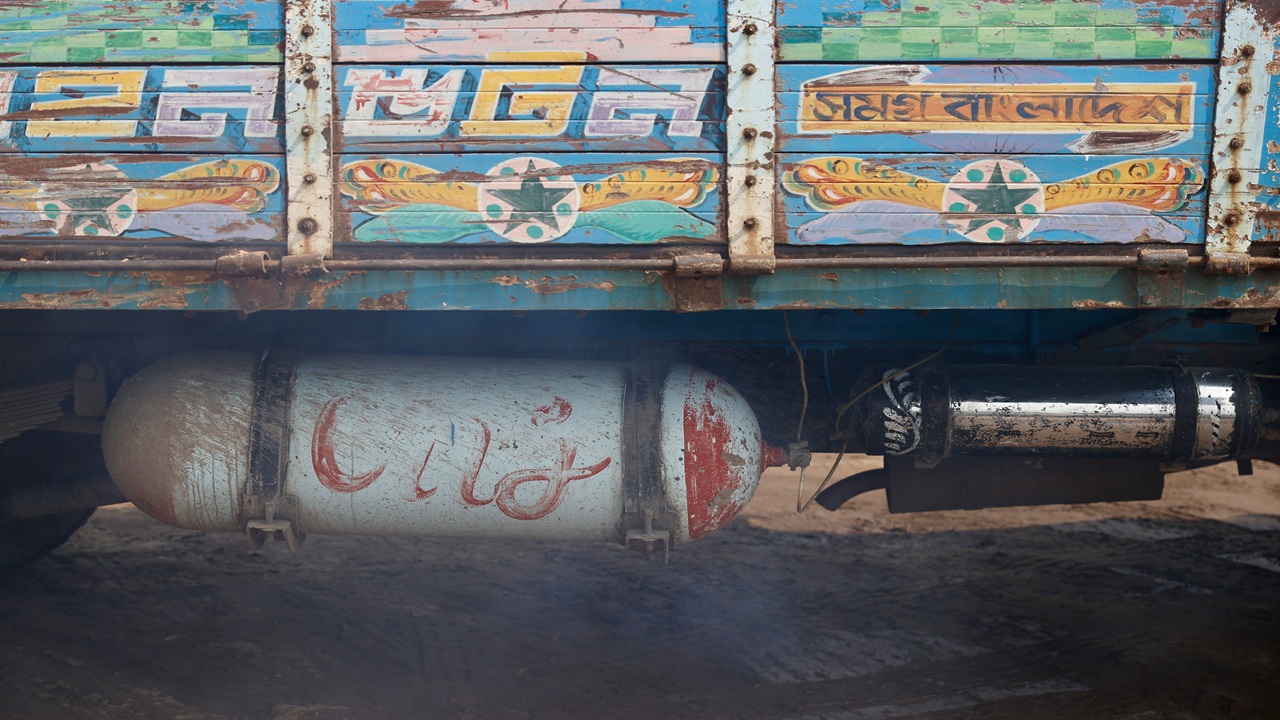
To remain functional, many of these trucks have been modified over time. Some now run on compressed natural gas (CNG) instead of their original engines, helping owners manage fuel costs and extend their lifespan. However, not all have proper route permits. As a result, many operate at night when traffic is lighter and monitoring is less strict, while during the day they are often parked or undergoing repairs.
Mechanics play a key role in keeping these vehicles running. With limited access to spare parts, they rely on experience and improvisation to maintain the engines. Despite their efforts, the signs of age are clear: faded paint, worn metal, and basic interiors that offer little comfort.
Even so, Bedford trucks remain part of Dhaka’s construction supply chain. As the city continues to grow, these ageing vehicles still carry the materials that shape its future.
In the story of a city obsessed with the new, the Bedford trucks stand as a reminder that sometimes, the past does not disappear. It simply learns how to survive.