Standing tall against the skyline of Motijheel, the iconic Balaka sculpture has long served as a striking visual landmark in the heart of Dhaka’s commercial hub.
The monument depicting a flock of cranes taking flight was envisioned as a proud celebration of freedom, high aspirations, and national progress.
Today, however, many of these installations stand as grim reminders of urban apathy.
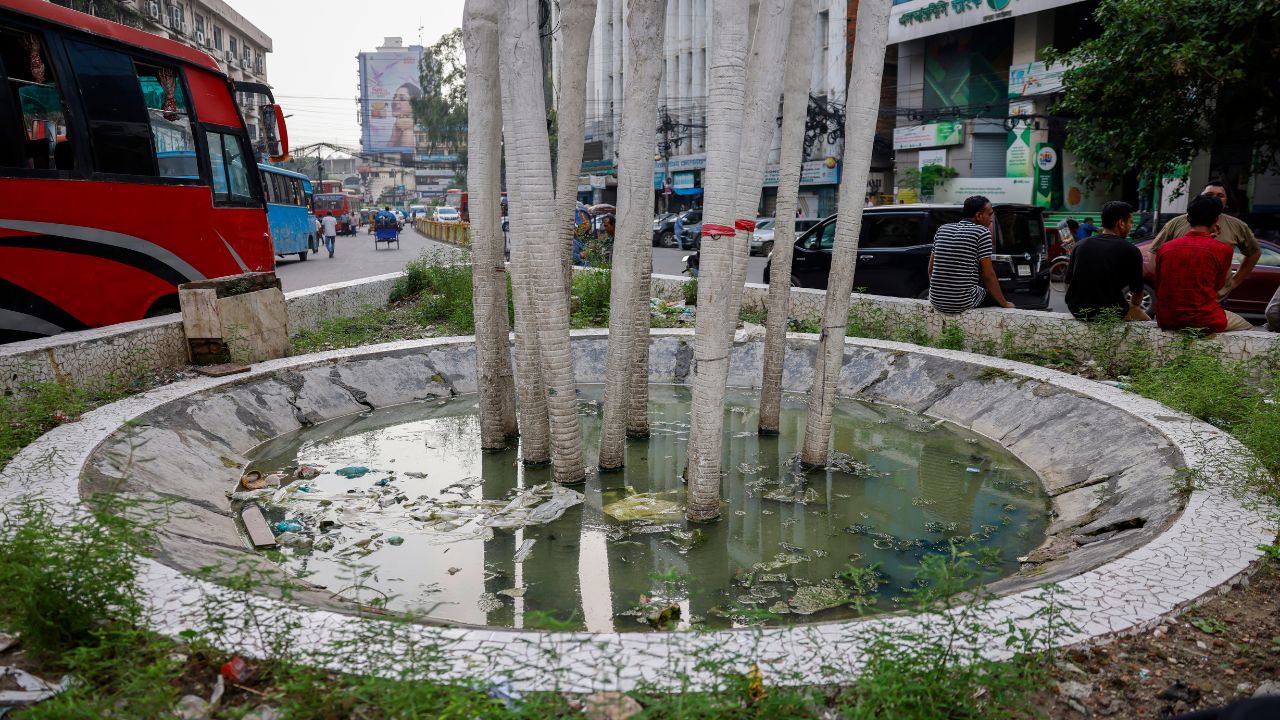
Decades of institutional neglect have transformed once-celebrated public artworks into decaying eyesores and, more alarmingly, into potential hazards to public health and safety.

The crisis is most visible at their bases. Designed as dynamic water fountains, these circular pools have largely devolved into stagnant, toxic cesspools.
Choked with layers of floating plastic bottles, discarded wrappers, polythene bags, and rotting organic waste, the water has turned an opaque, brackish green across multiple sites in the capital.




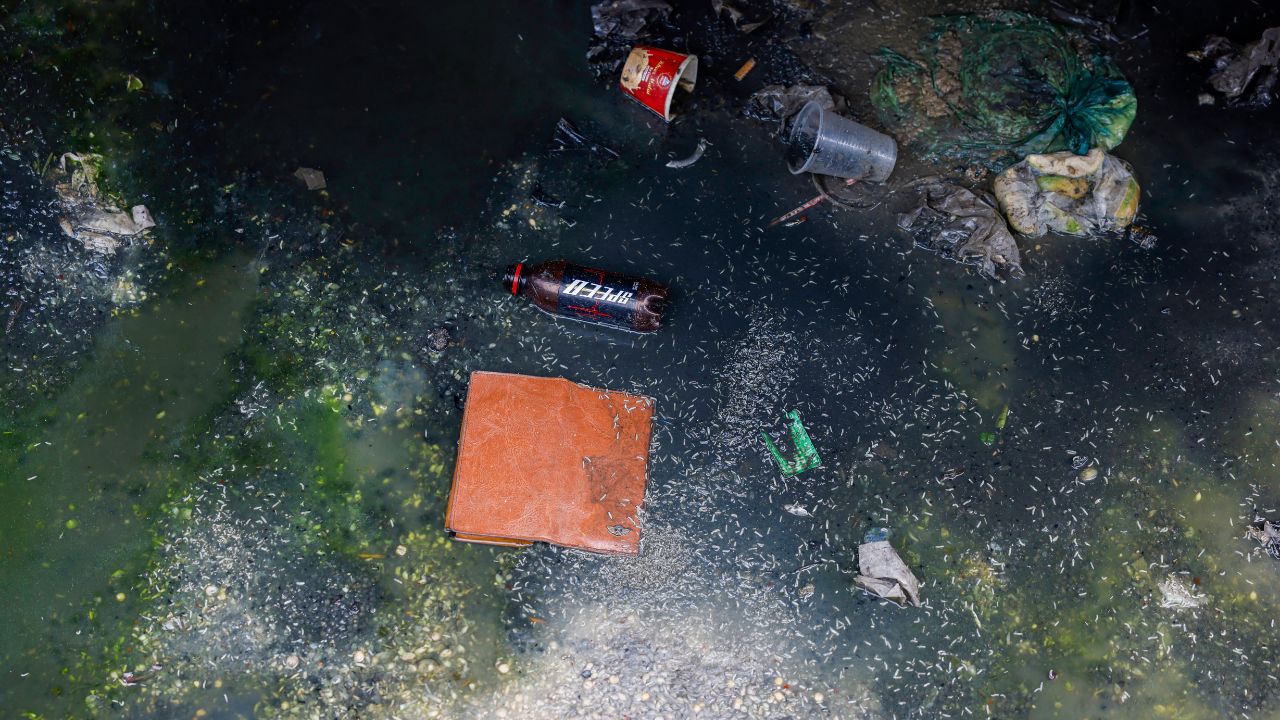
This uncontrolled accumulation of filth does more than damage the visual character of some of Dhaka’s busiest intersections.
It creates ideal breeding grounds for Aedes mosquitoes, intensifying the city’s recurring struggle with dengue and chikungunya outbreaks, and turning civic installations into unintended public health risks.
Beyond environmental concerns, these sites also suffer from an absence of civic oversight and basic maintenance. Portions of mosaic borders are broken or crumbling, while the surrounding infrastructure shows clear signs of abandonment.
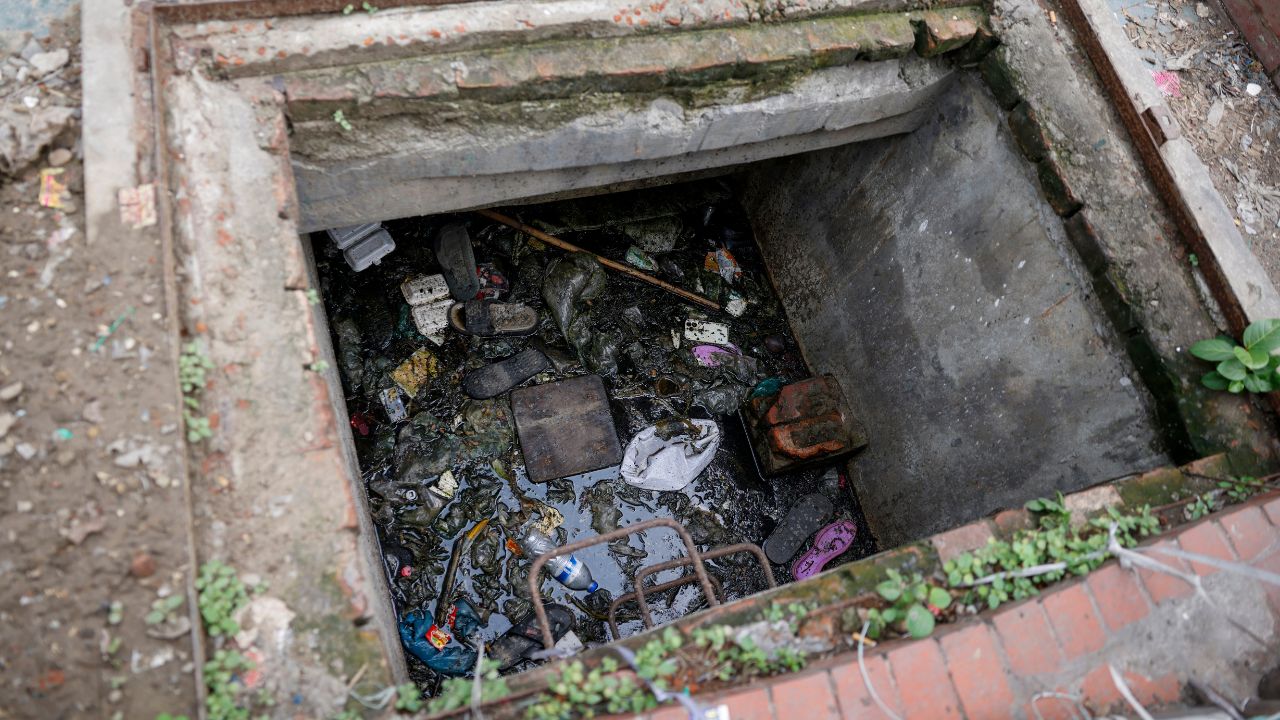
In the absence of proper enforcement, security measures, or pedestrian barriers, these public spaces are frequently misused, including for open urination, further degrading the urban environment and surrounding commercial zones.
Public art and urban fountains are meant to uplift a city’s spirit, offering both aesthetic relief and cultural identity in dense metropolitan spaces.
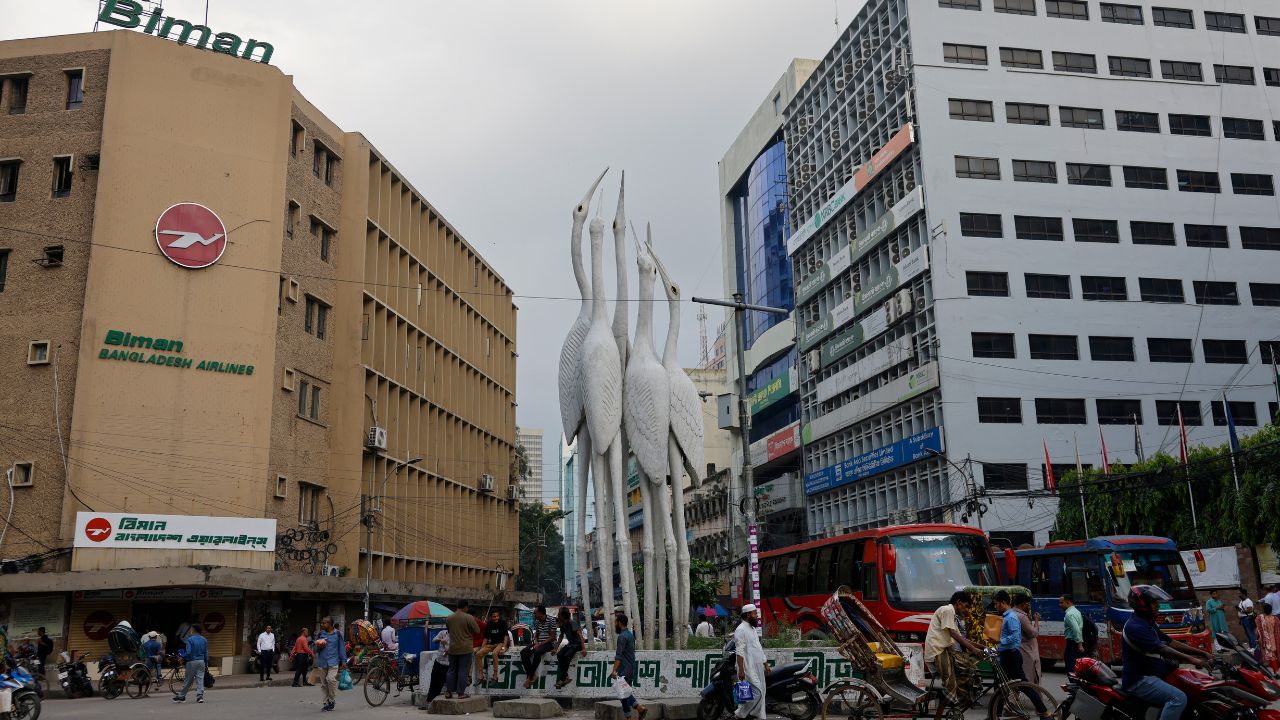
Yet the current state of Dhaka’s fountain monuments reveals a troubling pattern: ambitious installations created without sustained maintenance frameworks.
When such landmarks are left to decay in plain sight, they gradually cease to function as symbols of pride.
Instead, they become physical manifestations of civic neglect, compromising not only the city’s image but also the health, dignity, and daily experience of the thousands of commuters, workers, and pedestrians who pass them every day.