Bangladesh loses an estimated Tk2,26,236 crore every year to tax evasion, and a reform package built on “tax justice” could recover a large part of the lost revenue, the Centre for Policy Dialogue (CPD) said.
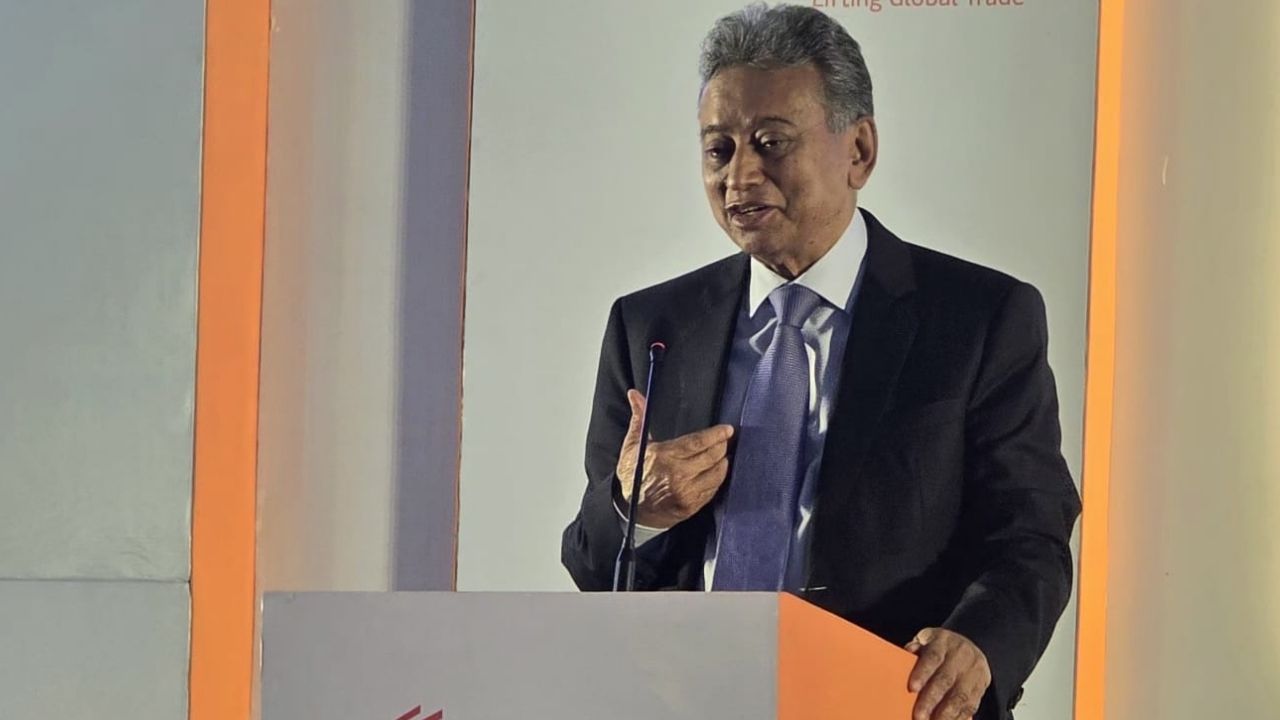
The proposals were presented at a pre-budget discussion at the National Board of Revenue (NBR) Bhaban in Dhaka on Tuesday, CPD said.
A four-pillar reform framework was suggested to make the tax system fairer and more effective. The pillars focus on equitable financing of development, reducing the burden on low-income groups, stopping revenue leakage and strengthening governance.
The current tax structure relies heavily on indirect taxes such as value-added tax (VAT), which often affects lower-income groups more than higher earners, CPD said. It called for a shift towards a more balanced system where those with higher incomes contribute more.
The organisation said only 28 to 29 per cent of potential VAT revenue is currently collected, showing large gaps in compliance and enforcement.

To simplify the system, CPD proposed reducing multiple VAT rates to three tiers and lowering the standard rate from 15 per cent to 10 per cent. A simpler structure would make it easier for businesses to comply and for authorities to enforce.
Corporate taxation should be aligned with the global minimum rate of 15 per cent, while existing tax incentives should be redesigned. Instead of flat benefits, incentives should be linked to performance, such as investment, export growth and job creation, CPD said.




To curb leakages, the think tank urged withdrawing tax breaks on fossil fuels, introducing time limits for all tax exemptions and expanding the use of Electronic Fiscal Devices (EFDs) across the country. It also suggested using artificial intelligence in audits to detect irregularities more effectively.
Better coordination between fiscal and monetary policy is needed to stabilise the economy, CPD said, recommending realistic revenue targets and phasing out ad hoc tax incentives from FY2027.
Investment could be supported by removing advance income tax on capital machinery imports for small and medium enterprises and offering targeted tax benefits for hiring youth and women.
In the energy sector, CPD said no new fossil fuel-based power plants are needed as existing capacity is sufficient until 2030. It recommended focusing instead on upgrading the power grid, exploring domestic gas resources and lowering import duties on renewable energy equipment.
Climate-related spending should be increased to at least 1 per cent of gross domestic product and 10 per cent of the national budget, along with higher taxes on fossil fuel vehicles to discourage pollution, it said.
For agriculture, CPD proposed creating a national farmer database linked to a “Farmer Smart Card” to ensure subsidies reach the right beneficiaries and reduce misuse.
Public spending on health and education remains below 1 per cent of gross domestic product and needs to increase, CPD said. It also called for removing VAT on medicines, expanding rural healthcare services and increasing stipends across education levels.
Corporate tax on private universities should be reduced from 15 per cent to 10 per cent and VAT on tuition fees should be removed to ease costs for students, it added.
The government aims to raise the tax-to-GDP ratio to 10 per cent in the medium term and 15 per cent by 2035. Achieving the target will depend on improving compliance, reducing leakages and ensuring policies are implemented effectively, CPD said.
The upcoming budget should move away from formula-based approaches and adopt a realistic and credible fiscal framework that balances development goals with macroeconomic stability, it added.