When Tareque Masud came home after months away at the University of Dhaka, his return felt like an event for younger brother Nahid Masud. If it rained, Tareque would head outside to enjoy it. At mealtimes, he might suddenly decide the table belonged outdoors.
“Let’s eat outside. Let’s do one thing today. Let’s take the table outside,” he would say.
Years later, Nahid remembers those moments as vividly as his brother’s films. In his stories, Tareque was not only a filmmaker chasing unfinished dreams, but an elder brother who could turn an ordinary afternoon into an occasion, argue passionately about how the world should be and remember the smallest detail while carrying the weight of an entire film.
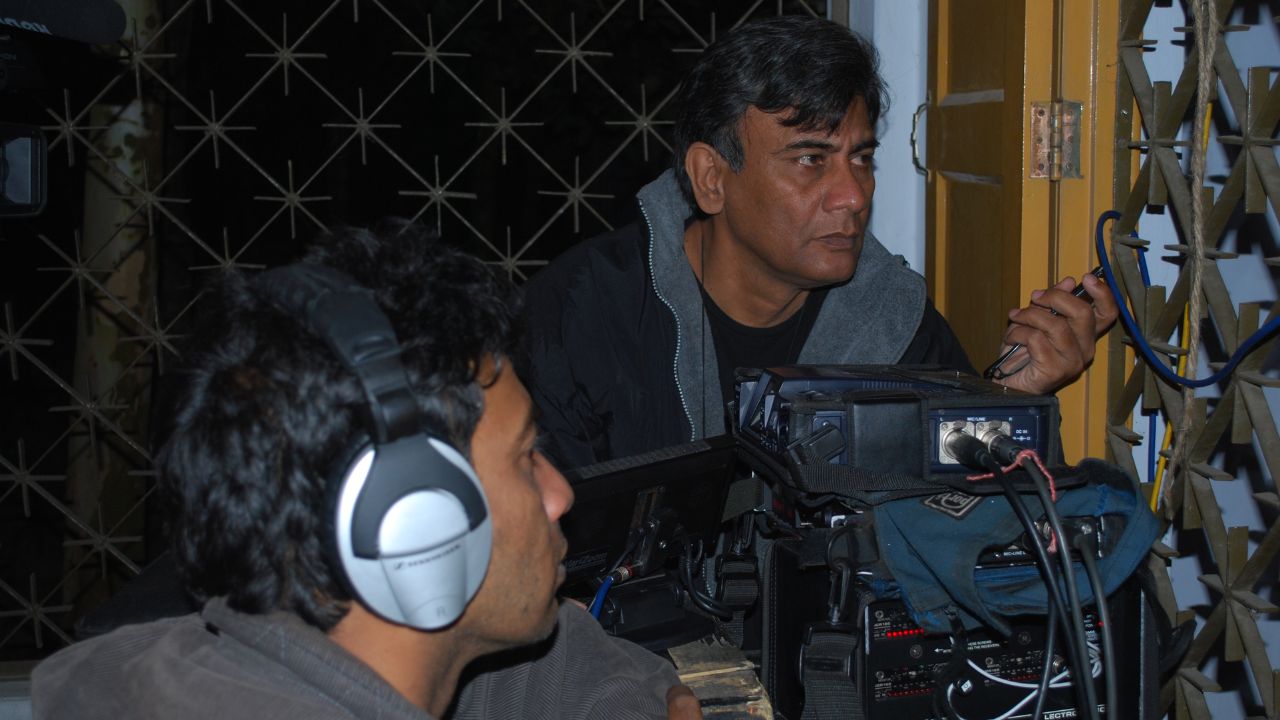
Around 1982-83, Tareque was making Adam Surat, his documentary on artist SM Sultan. Scenes of harvesting paddy, bathing cattle and threshing rice with oxen were shot in Nahid’s village. Young filmmakers including Mishuk Munier, Zahidur Rahim Anjan and Enayet Karim joined the shoot. Each would later become an established filmmaker.
Nahid was only 12 or 13. He followed the long-haired, artistic young men around with their cameras.
“I felt that I had fallen in love with their personalities. That such free people could exist. People who think independently,” he recalled.
At the time, Tareque believed in Marxism. At home, he often engaged in heated arguments with their neighbour, filmmaker and cultural activist Alamgir Kabir.

Alamgir believed a world based on equality was impossible. Tareque would argue, “Why wouldn’t equal rights for people be possible?”
His beliefs changed as the Berlin Wall fell and the Soviet Union collapsed. But Nahid said Tareque never abandoned his dream of a world without inequality.
“He only changed his thinking about the path to that dream as reality changed around him.”
That determination followed him into filmmaking.
In 1990, Tareque obtained extensive footage of Bangladesh’s Liberation War, shot in 1971, from American cinematographer Leah Levine. The footage could not leave the United States, so Tareque completed the editing in New York. He bought an old Steenbeck editing machine, taught himself to operate it and used it to make Muktir Gaan. The project left him nearly $50,000 in credit card debt.




Tareque returned to Bangladesh with the film towards the end of 1995, hoping to release it in cinemas. After converting it from 16mm to 35mm, he made four or five prints. When that failed, he turned to alternative screenings.
Audiences formed long queues at the Public Library, where tickets cost only Tk20. Nahid worked as the projectionist, travelling from one district town to another with a portable video projector and foldable screen.
After every screening, Tareque would tell audiences, “I don’t want praise for any film. I want to hear your memories of the Liberation War.”
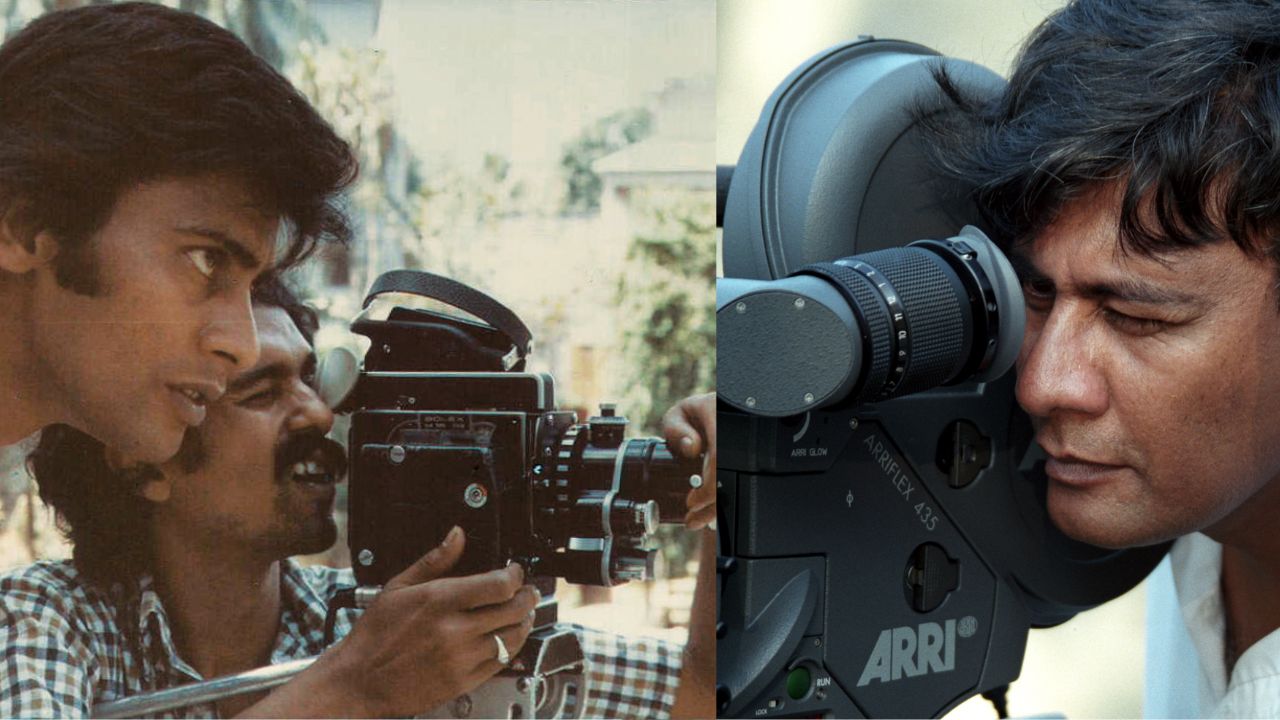
Those screenings eventually gave birth to Muktir Kotha. One woman left a letter at the Public Library after recognising her missing brother in a scene of a crowd listening to songs at a refugee camp. In another case, an eyewitness was found at a restaurant in the United States. The ring on his hand had appeared in one of the film’s scenes. Countless such stories accumulated over the years.
Tareque carried that same patience into his final film, Kagojer Phool (The Paper Flower). He needed a particular water level and waited four years for the right conditions. That year, flooding raised the river in front of a zamindar house in Manikganj to the level he needed, allowing preparations for the shoot to be completed.
Then their father died, just five days before Tareque’s own death.
Tareque called Nahid and his wife, Catherine Masud.
“I know this is a very difficult decision. But I think we should postpone the shoot this time,” he said.
He wanted the family to stay beside their mother. Four days later, she seemed somewhat more settled. Fearing they might never get another opportunity at the location, Tareque set out for Manikganj again with the team.
Kagojer Phool was a period film set against the backdrop of Partition. It told the story of Kazi, the character from Matir Moina (The Clay Bird), in his youth. Some experiences from Tareque’s own father’s life also found their way into the screenplay. But, as Nahid put it, “It was Tareque Masud’s own interpretation.”
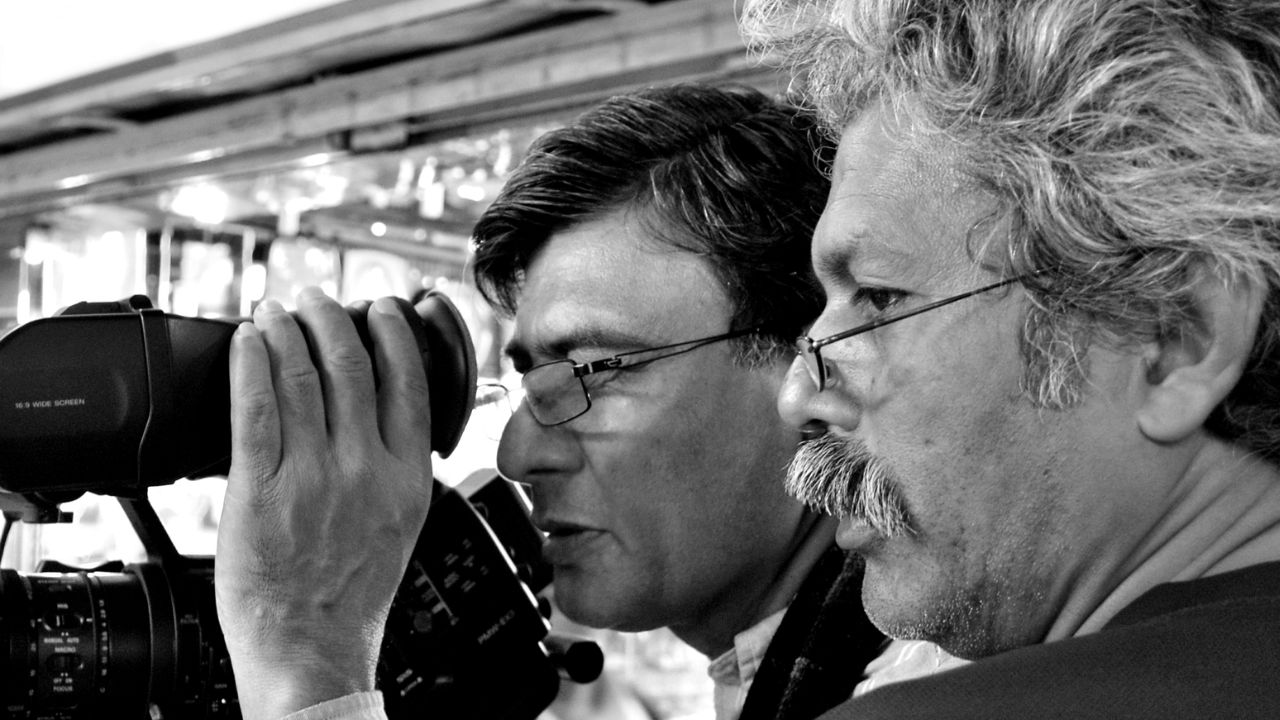
The film was taking shape. Then, on 13 August 2011, just 20 to 25 minutes before the accident, Tareque called Nahid. Their conversation was not about cinema. They discussed how to take their mentally ill sister to a doctor in their mother’s absence and who would look after her.
It was typical of Tareque , Nahid recalled.
“Even while dealing with major issues, Tareque bhai had an extraordinary ability to remember the smallest details. Even while managing a large shooting unit, he would remember the household shopping, what would be cooked and how the table should be arranged.”
The news of the accident came after that call. Mishuk Munier, who had been part of Tareque’s filmmaking journey since those early days, also died in the same accident. The two, who had worked together decades earlier on Adam Surat, were killed on the same day.
Having lost their father only five days earlier, Nahid initially could not believe what he had heard.
Tareque was gone. Kagojer Phool was left unfinished.
But the film, like many of the dreams Tareque pursued throughout his life, has not been forgotten. Catherine Masud and the others still want to complete it.
“We want the film to be made,” Nahid said. “But we want it to be made in exactly the way Tareque bhai wanted it.”