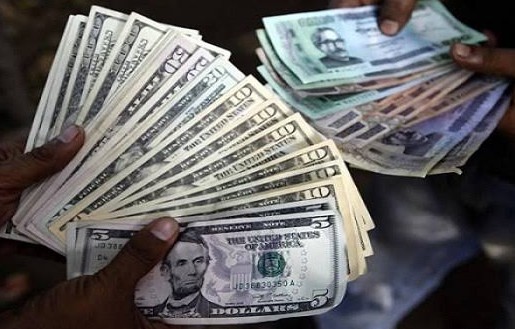



Fears stemming from the escalating Iran-related war in the Middle East have begun to ripple into Bangladesh’s foreign-exchange market, with the dollar jumping more than 40 paisa in a single day as banks scramble to secure foreign currency for import payments.
Bankers said the exchange rate climbed to Tk 122.80 per dollar on Monday, marking the sharpest daily increase in recent weeks after months of relative stability in the market.
The sudden pressure was also reflected in the Bangladesh Bank reference rate, which rose to Tk 122.55 per dollar at 5:00pm on Monday, up from Tk 122.38 at the close of the previous trading day.
Global market turmoil triggered by the Iran conflict is already pushing up energy prices and strengthening the US dollar worldwide, with crude oil prices surging above $100 a barrel amid supply fears in the Middle East.

In Bangladesh, bankers said several immediate factors combined to push the exchange rate higher. These include importers settling UPAS (Usance Payable at Sight) letter-of-credit obligations, pending government import payments and the central bank’s recent dollar purchases from the market.
A Bangladesh Bank official said the geopolitical tension is influencing market behaviour as businesses attempt to hedge risks.




“The Iran conflict has created uncertainty in global markets. Many importers are trying to settle their foreign obligations earlier, which is increasing demand for dollars,” the official said, requesting anonymity.
He added that large government import payments due this week also pushed up demand for the greenback.
To ease pressure on the market, the central bank has temporarily paused its dollar purchases from banks since March 2, a move aimed at stabilising the exchange rate.
Bankers also pointed to rising global fuel prices linked to the Middle East conflict, which could increase Bangladesh’s import bills in the coming months. “With the dollar rising and oil prices climbing, importers are trying to clear overseas bills quickly. That has pushed several banks into short positions and increased demand for dollars,” said a senior banker at a private commercial bank.
Bankers explained that banks whose foreign-currency payment obligations exceed their earnings fall into short positioning, meaning they must buy dollars from the market. Banks with higher foreign-currency inflows remain in long positions, holding surplus foreign exchange.
On Monday, a few banks purchased remittance dollars at rates as high as Tk 122.70 per dollar, reflecting tightening supply in the market.
Importers are facing even higher costs under bills for collection (BC) transactions, with banks charging between Tk 122.60 and Tk 122.80 per dollar, according to market players.