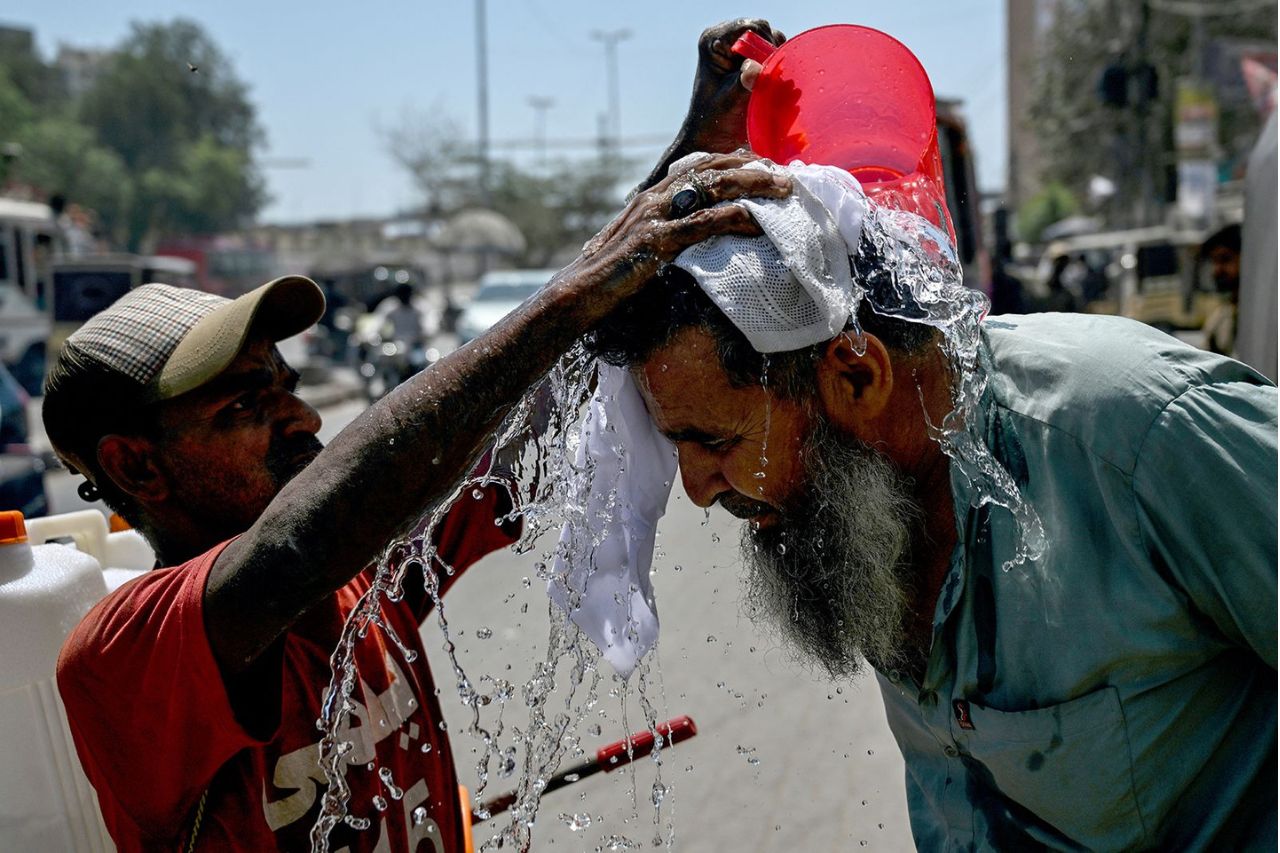
By mid-morning, the streets of Delhi shimmer beneath a blinding white sun. In Karachi, volunteers move through traffic carrying bottles of water for exhausted pedestrians.
In Dhaka, construction workers wrap wet towels around their heads before stepping back onto burning concrete. Across South Asia, the summer heat is no longer simply uncomfortable. It is becoming dangerous, relentless and deeply unequal.
This year, India, Pakistan and Bangladesh are all experiencing one of the harshest heatwaves in recent memory.
Temperatures in several Indian cities have exceeded 45 degrees Celsius, while parts of Pakistan, including Sindh and Balochistan, are experiencing extreme heat and worsening water shortages.

In Bangladesh, the capital Dhaka and several districts have endured repeated heat alerts, forcing schools to suspend classes and hospitals to prepare for rising numbers of heat-related illnesses.
The crisis stretches far beyond weather statistics. It is reshaping daily life for millions of people.
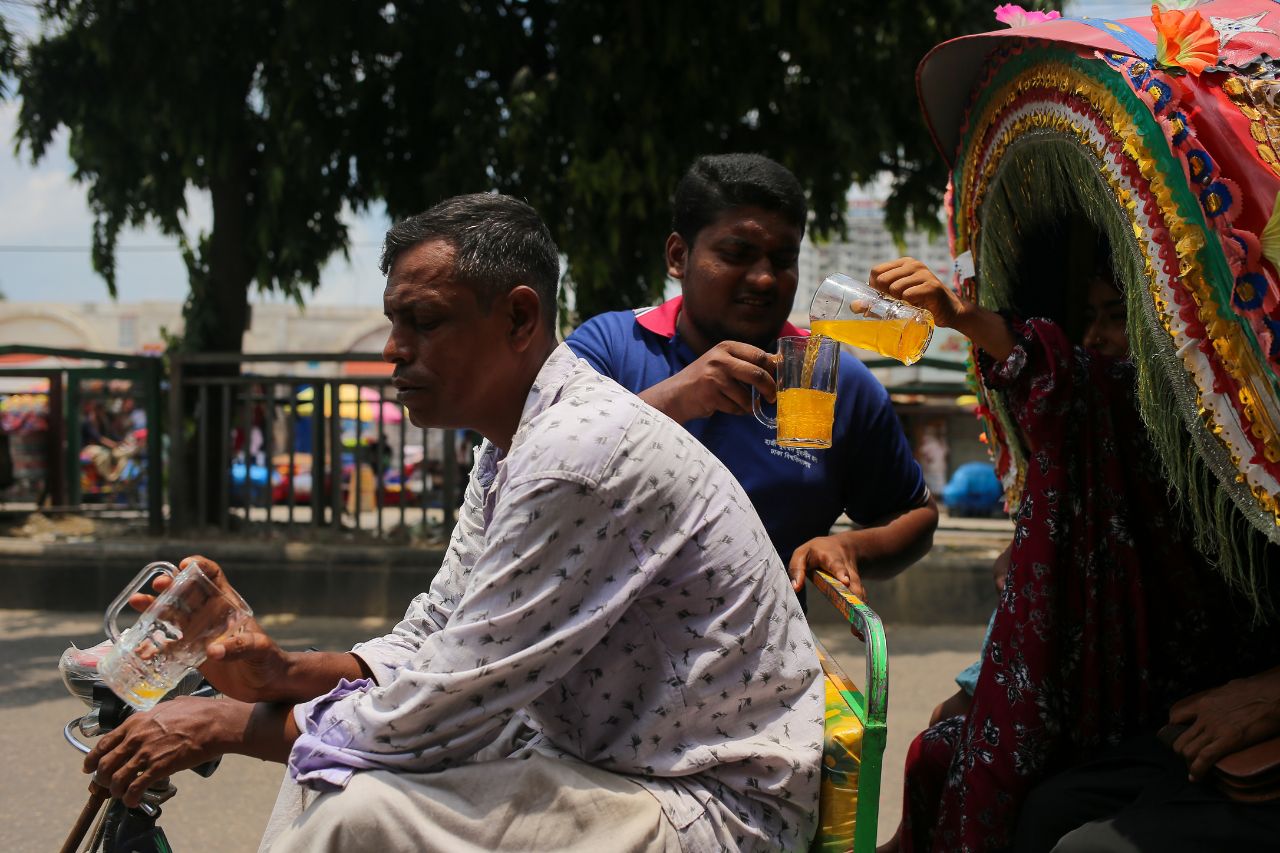
In Bangladesh, rickshaw pullers and construction workers continue their routines under suffocating temperatures because staying home is not an option.




In Pakistan, electricity shortages have made life even harder as families struggle to keep fans and cooling systems running during long power cuts.
In India, outdoor labourers have reported dizziness, dehydration and heat exhaustion while working under direct sunlight for hours.
Scientists say climate change is intensifying these extreme weather patterns across the region. Weak pre-monsoon rainfall, rising global temperatures and persistent high-pressure systems have combined to trap hot air over South Asia for longer periods.
Nights, once offering relief, are also becoming warmer, preventing people from recovering from daytime exposure.
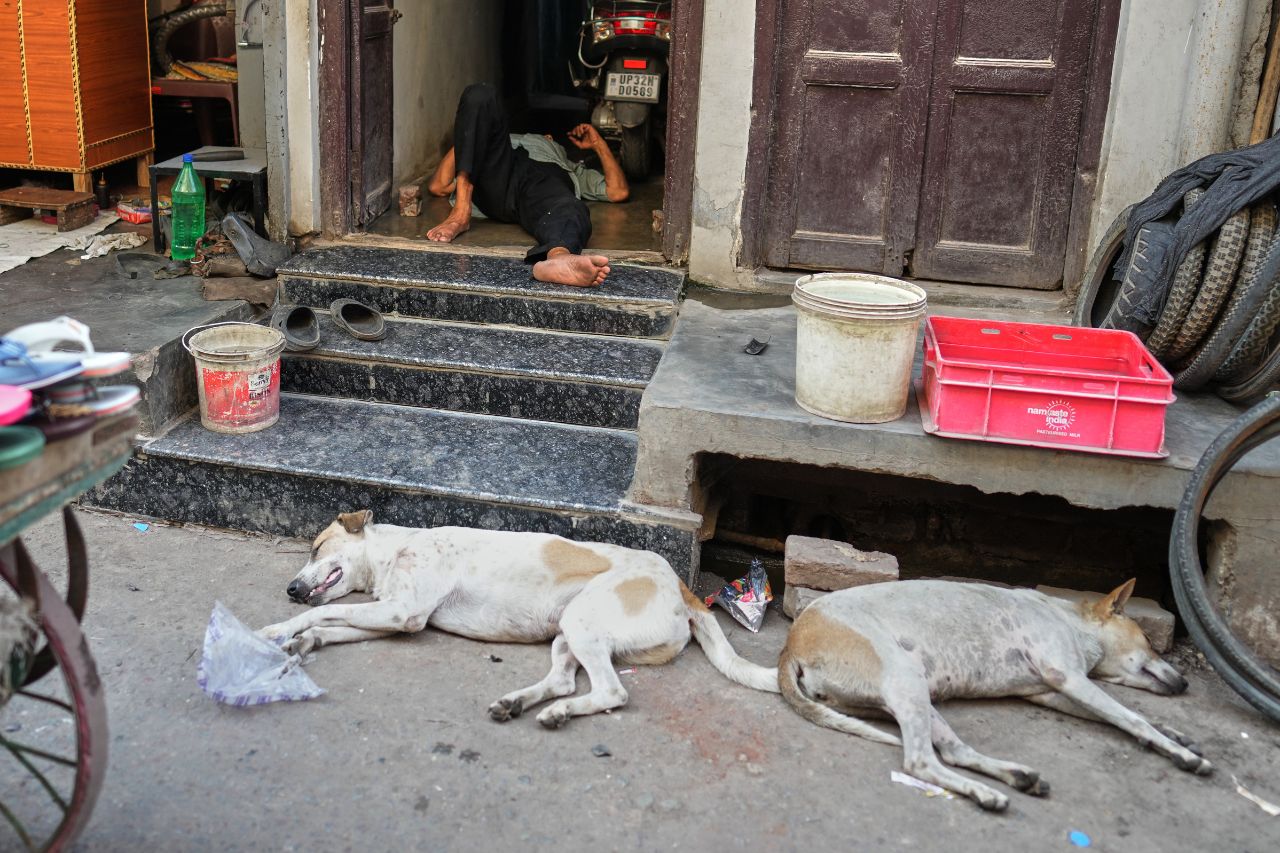
Yet the burden is not shared equally. Wealthier families can retreat into air-conditioned homes, while low-income communities remain exposed on crowded streets, construction sites and tin-roofed houses that trap heat like ovens.
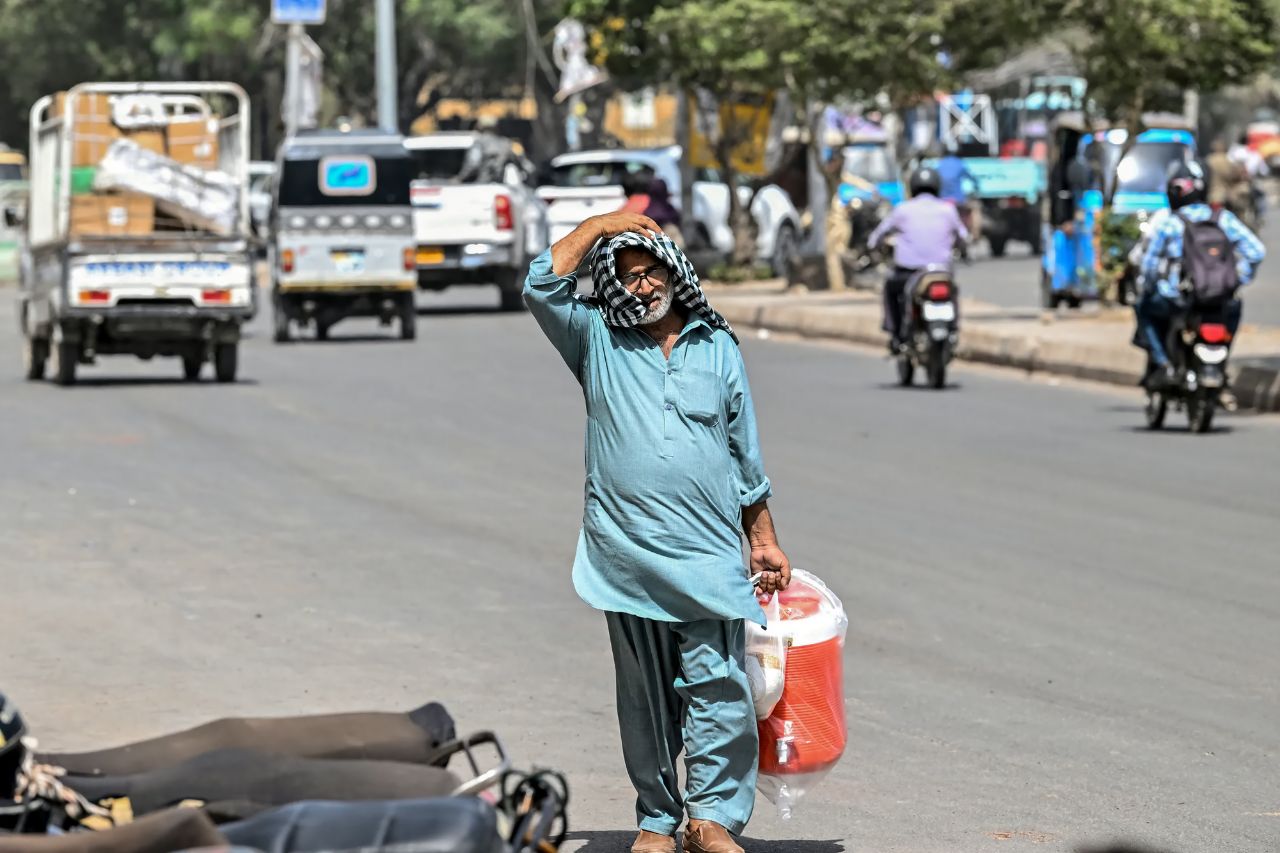
For many, surviving the heat has become a question of endurance.
Experts warn that South Asia is entering an era where extreme heat will no longer be treated as an occasional disaster. Instead, it may become a defining reality of life in the region.
For countries like Bangladesh, Pakistan and India, the challenge is not only how to survive hotter summers, but how to protect millions of vulnerable people from a climate crisis already unfolding around them.