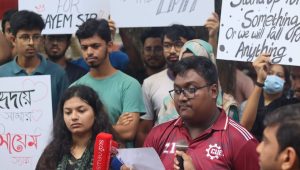



Students at Gopalganj Science and Technology University (GSTU) are demanding clear accounts for around Tk36 lakh collected from them every year in medical fees.
Despite paying these mandatory charges, students alleged that they fail to receive proper healthcare services and necessary medicines when they fall ill.
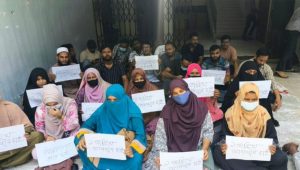
In response, the student body has presented six core demands, including full financial transparency, better healthcare facilities, and making the compulsory fee optional.
The university collects Tk200 per semester from each of its approximately 9,000 students. This generates nearly Tk18 lakh every semester, totalling about Tk36 lakh annually across two semesters.
However, students reported that essential drugs are frequently unavailable at the campus medical centre.
They alleged that staff often dispense a limited range of medicines, such as paracetamol, for diverse ailments including fever, pain, infection, and stomach problems.
As a result, many students are forced to visit Gopalganj General Hospital or Gopalganj Medical College Hospital at their own expense when sick.

Sirajuddaula, a student from the 2023–24 academic session in Department of Food Engineering, pointed out that the campus medical centre opens only from 9am to 4pm.
He noted that if a student falls ill or gets injured during the evening or night, they must travel to the district sadar hospital even for basic primary care.
Highlighting that nearly Tk18 lakh is collected from students each semester alongside government allocations, Sirajuddaula called the lack of timely healthcare frustrating.
He demanded transparent accounting and public accountability regarding how these funds are spent.
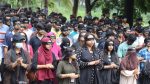
To resolve the crisis, students have demanded the publication of full income and expenditure statements for medical fees from recent years on the university notice board and website.
Their demands also include publishing a list of essential medicines, ensuring regular drug supplies, appointing sufficient doctors, offering emergency care, and setting up an improved referral system.
In addition, students urged the administration to introduce a ticket-based service model at Tk5 or Tk10, similar to government hospitals.
If a ticket system cannot be implemented, students demanded that the mandatory medical fee be made optional or scrapped altogether.
They also called for fee refunds or semester fee adjustments for students who did not receive medical services.
Moreover, they requested the formation of an independent oversight committee, including student representatives, to monitor the medical centre’s financial management and service quality.
On the other hand, Nikhon Chandra Bala, medical assistant officer, denied allegations of a medicine shortage at the facility.
He claimed that approximately 15 types of medicines are supplied and listed on a chart displayed at the medical centre.
Bala added that adequate arrangements for medicines are already in place and promised that supplies would be increased in consultation with Associate Professor Md Aslam if required based on student grievances.
Aslam, medical team officer, maintained that sufficient medicines are stocked and noted that additional supplies would be arranged if students submitted written requests.
Addressing the refund demand, Aslam explained that the medical centre has no scope to return fixed fees because they are collected through the central administration.
He also shared that efforts are underway to introduce diagnostic testing at the medical centre, along with plans to provide low-cost dengue testing.
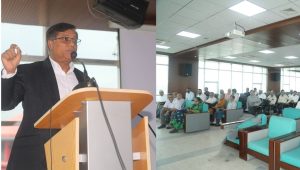
Vice-Chancellor Professor Shohel Hasan said he recently met with the university’s medical team.
“If they inform me of some of their problems, I will certainly try to solve them,” he said.
The students added that they expect a formal written response from the university administration regarding their demands within a specified timeframe.
They warned that if effective steps are not taken, they will launch peaceful and lawful programmes, including submitting applications under the Right to Information (RTI) Act.