Bangladesh’s state-owned enterprises (SOEs) cost the government Tk88,200 crore in FY2024 despite owning assets equivalent to 17 per cent of the country’s gross domestic product (GDP), exposing what a World Bank-backed study called a “structural fiscal burden” on the economy.
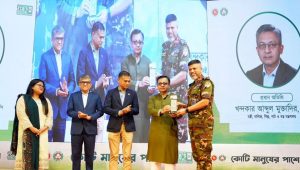
The findings were presented at a dissemination workshop in Dhaka on Wednesday under the Strengthening Public Financial Management for Better Service project, with research support from the Policy Research Institute of Bangladesh.
The study said the burden from loss-making SOEs is increasingly squeezing public finances at a time when Bangladesh is struggling with weak revenue collection and slowing economic growth. With the tax-to-GDP ratio stuck between 7 and 8 per cent, the country’s fiscal space remains severely constrained, it said.
According to the report, total net fiscal transfers to SOEs, including subsidies and capital support, amounted to Tk88,200 crore in FY2024, equivalent to 1.7 per cent of GDP.
The study warned that the losses are no longer cyclical pressures but have become a persistent drain on the national budget, crowding out spending in other sectors.

The report also highlighted a widening efficiency gap between Bangladesh and regional peers. Non-financial SOEs in Bangladesh recorded a negative return on assets (ROA) of 5.2 per cent, compared with positive returns of 9.7 per cent in India and 11.9 per cent in Vietnam.
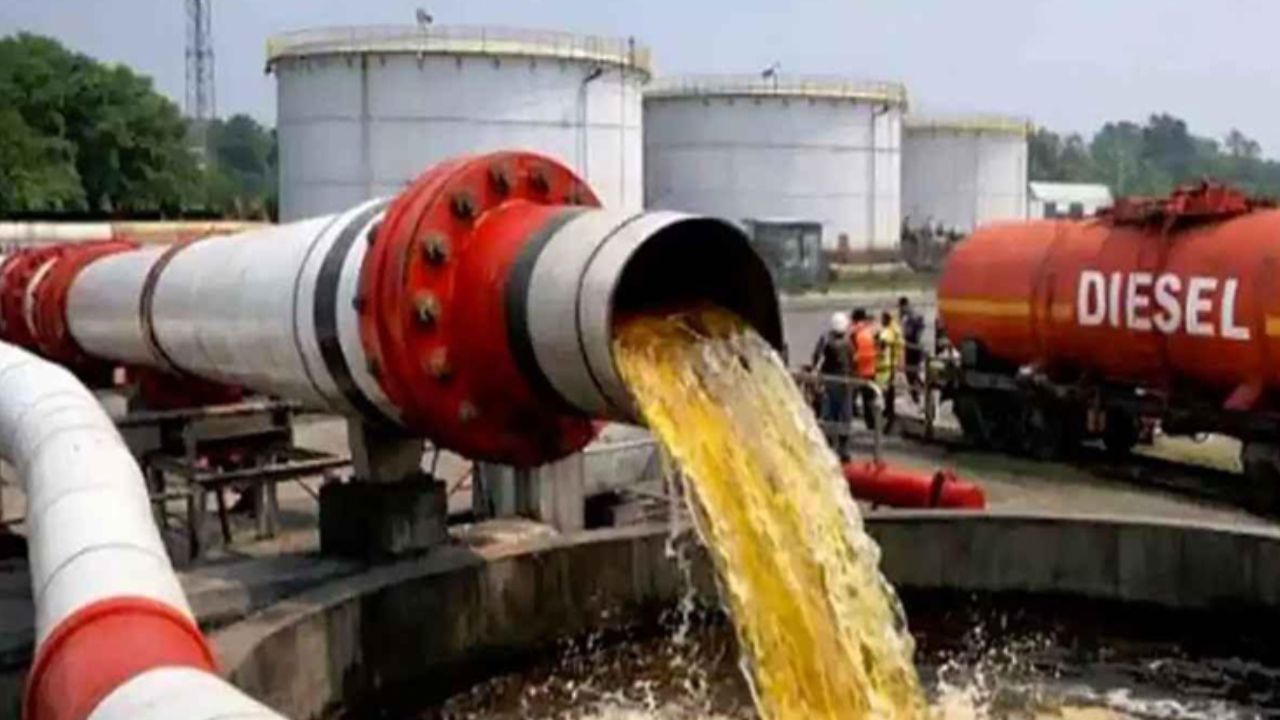
Energy and power accounted for more than 90 per cent of total losses, with the Bangladesh Power Development Board alone posting losses above Tk44,400 crore in FY2024.
The study attributed the losses to high generation costs, capacity payments to independent power producers and tariffs kept below cost recovery, creating a structural gap that is repeatedly filled through subsidies.


It linked the sector’s inefficiencies to politically influenced investment decisions, long-term contracts and weak governance, which have increased fiscal exposure over time.
Beyond energy, persistent losses were recorded in Bangladesh Oil, Gas and Mineral Corporation, Bangladesh Rural Electrification Board, Trading Corporation of Bangladesh and several fertiliser, sugar and jute enterprises, many of which operate in competitive markets where private firms remain profitable.
The report said SOEs control assets worth Tk8.49 lakh crore, or 17 per cent of GDP.
It estimated that a 10 per cent return on assets—broadly in line with regional benchmarks—could generate Tk84,800 crore in additional revenue, rising to Tk1.29 lakh crore when combined with subsidy savings.
It warned that current SOE transfers exceed public spending on health and social protection, highlighting a significant opportunity cost for human development and public investment.
The study said SOEs are effectively extensions of line ministries, constrained by fragmented laws, bureaucratic control, weak oversight and limited transparency, which have weakened accountability and performance incentives.
It added that repeated reform attempts, including privatisation and corporatisation, have had limited impact due to the absence of a coherent reform roadmap and sustained implementation.
The report recommended a differentiated restructuring plan based on market structure, including corporatisation and eventual privatisation of competitive manufacturing SOEs, and gradual deregulation of monopoly sectors such as energy and utilities to introduce competition and cost-reflective pricing.
It called for independent professional boards for strategic service SOEs in transport and communications, stronger financial disclosure and timely external audits, and reduced political interference in management.
The study also suggested closure or merger of chronically loss-making entities and questioned the continued relevance of the Trading Corporation of Bangladesh in a mature private-sector supply environment.
World Bank officials and senior government representatives attended the workshop, where the findings were presented as part of wider discussions on fiscal consolidation and public sector reform.