Kazipur upazila in Sirajganj has been under constant threat from Januma river erosion but makes a news identity for itself in recent years.
The upazila is now recognised nationwide as a hub of low-cost blanket production, an industry that generates an estimated Tk300 crore in sales every winter.
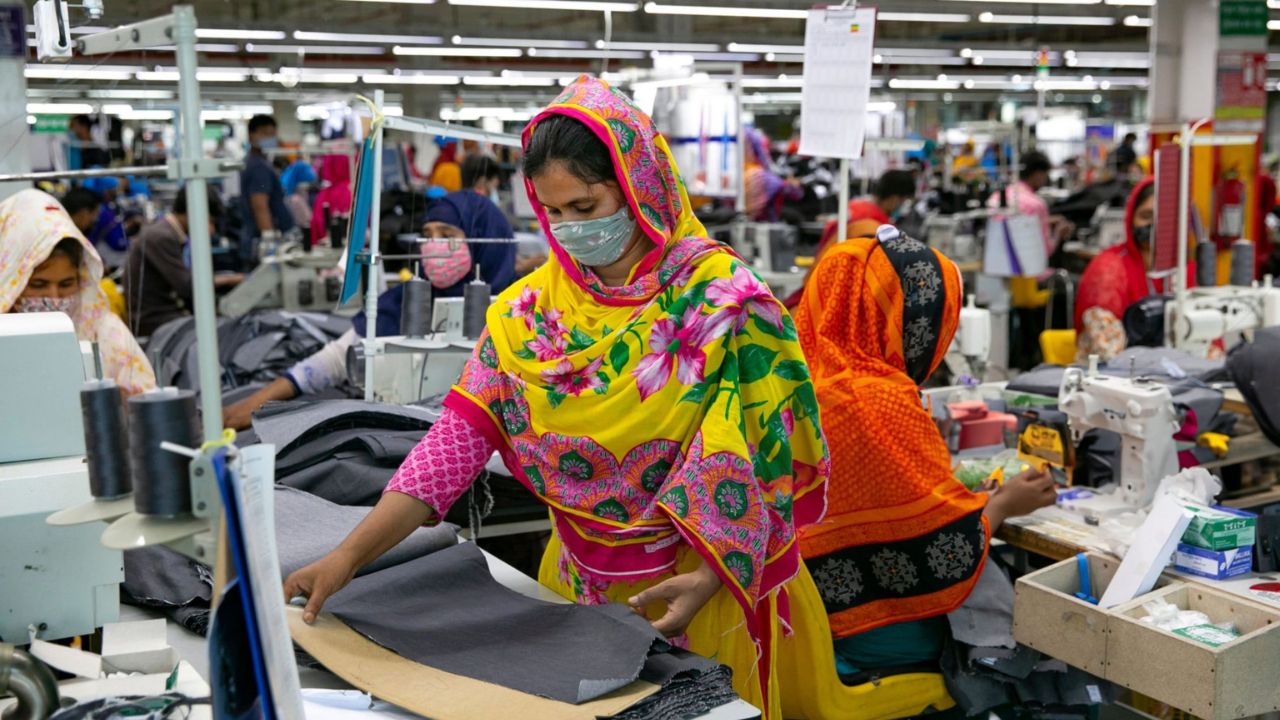
Discarded fabric scraps from ready-made garment factories have become the backbone of livelihood for thousands of families.
In at least 30 villages, including Shimuldair, Shyampur, Salavara, Kunkunia, Dhekuriya and Beltoil, blanket-making has transformed into a thriving cottage industry.
With the arrival of cooler weather, Kazipur’s ‘blanket villages’ are now bustling.

Alongside blankets, workers are producing children’s trousers, pants, shirts and sweaters to meet seasonal demand.
Local entrepreneurs say nearly 40,000 men and women are employed across the cluster, with demand for Kazipur-made blankets growing across the country due to affordable prices and reliable quality.
The industry emerged about two decades ago through local initiatives.


Traders buy garment waste and cut pieces from Dhaka, Gazipur and Narayanganj at Tk600–Tk2,000 per maund.
After sorting and cutting, the fabric is stitched into blankets by village-based workers, many of whom are women who have become financially independent through the craft.
Small-scale production that once catered to nearby districts has now expanded nationwide.
On average, around Tk30 lakh worth of blankets is bought and sold daily during peak season, which runs from July to January. Retailers and wholesalers from roughly 40 districts regularly visit Shimuldair market, now widely known as the centre of Bangladesh’s blanket industry. Local sellers also take orders online, widening market access.
Shariful Islam, proprietor of Messrs Sahi Traders, said they source raw materials from Narayanganj and prepare blankets through local cutting and stitching teams.
“Because prices are reasonable and the quality is good, demand is high. If a bank branch is established here, we could access low-interest loans and expand further,” he said.
Businessman Afzal Hossain, who lost his home to river erosion, said he turned to the trade after moving to Kazipur.
“We bring fabric scraps from Dhaka and Narayanganj, stitch them into blankets and sell them for Tk250–Tk600 each depending on size,” he said.
Sirajganj Chamber of Commerce and Industry President Saidur Rahman Bacchu said the industry’s potential remains constrained by the lack of banking facilities and security for traders.
“Around Tk300 crore worth of blankets are sold every winter from Kazipur, yet local businesses suffer due to limited financial support. We are in discussion with Bangladesh Bank officials to establish a branch here. With low-interest loans, this industry can grow further and provide even more jobs,” he said.
He added that thousands of men and women now depend on the sector for their livelihoods, calling it one of the most promising cottage industries in the region.