The first thing you notice is the sound. A relentless pounding that shakes the tin walls of Kamrangirchar’s narrow factories, where metal sheets are hammered and spun into gleaming pots and pans.
Inside, the air is thick with dust, the light dim, the heat suffocating. Men, women and children lean over machines for hours, cheap plastic earphones stuffed in their ears in a futile attempt to soften the noise.
For thousands in Dhaka’s silver and aluminium workshops, this is the soundtrack of survival and of slow, invisible harm.

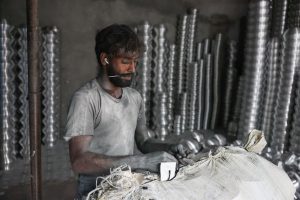
“I thought my ears would burst the first time I came in here,” said Mohammad Parvez, 15, wiping sweat from his forehead as he stacked pots still warm from the press. He has already grown used to the deafening roar. Doctors warn that such exposure steadily erodes hearing until silence replaces sound.
“We get Tk 250 to Tk 350 for a maund of pots and pans,” he explained. “On a good day, maybe three or four maunds. But the noise never stops.”



The shifts stretch seven, sometimes eight hours, each one laced with dangers that reach far beyond hearing loss. As the machines grind, fine particles of aluminium, silver and toxic lead compounds cloud the room, clinging to skin, clothes, and lungs. Eyes burn, vision blurs, headaches linger.
Doctors who have studied these factories warn that the toll is devastating. Inhaled metal dust seeps into the bloodstream, scarring kidneys, livers and nervous systems. Lead exposure in particular drains energy, fogs memory, and in children stunts cognitive growth.
And the children are everywhere. Some barely in their teens, others younger still, their small bodies perched beside machines meant for grown men. They lift, polish and pack, trading away classrooms and playgrounds for wages that barely feed them.
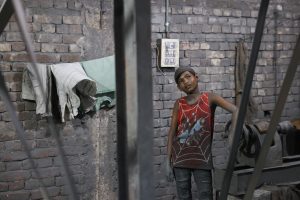
Women, too, carry a particular weight. Many works through pregnancies, inhaling the same toxic dust that can seep into their bloodstreams, threatening foetal growth. Childbirth becomes fraught with risks. Yet the low wages are still too important to give up.
Parvez, who left school at 13, shrugs when asked if he misses it. “This is our life,” he said quietly. “We work; we eat. That’s all.”
In Dhaka’s markets, the finished pots and pans sparkle under bright shop lights. Few buyers pause to consider the hidden cost beyond the sticker price: the steady erosion of hearing, sight and health borne by those behind the factory walls. As the machines thunder on, so does the trade-off: silver that shines, and lives that fade.