
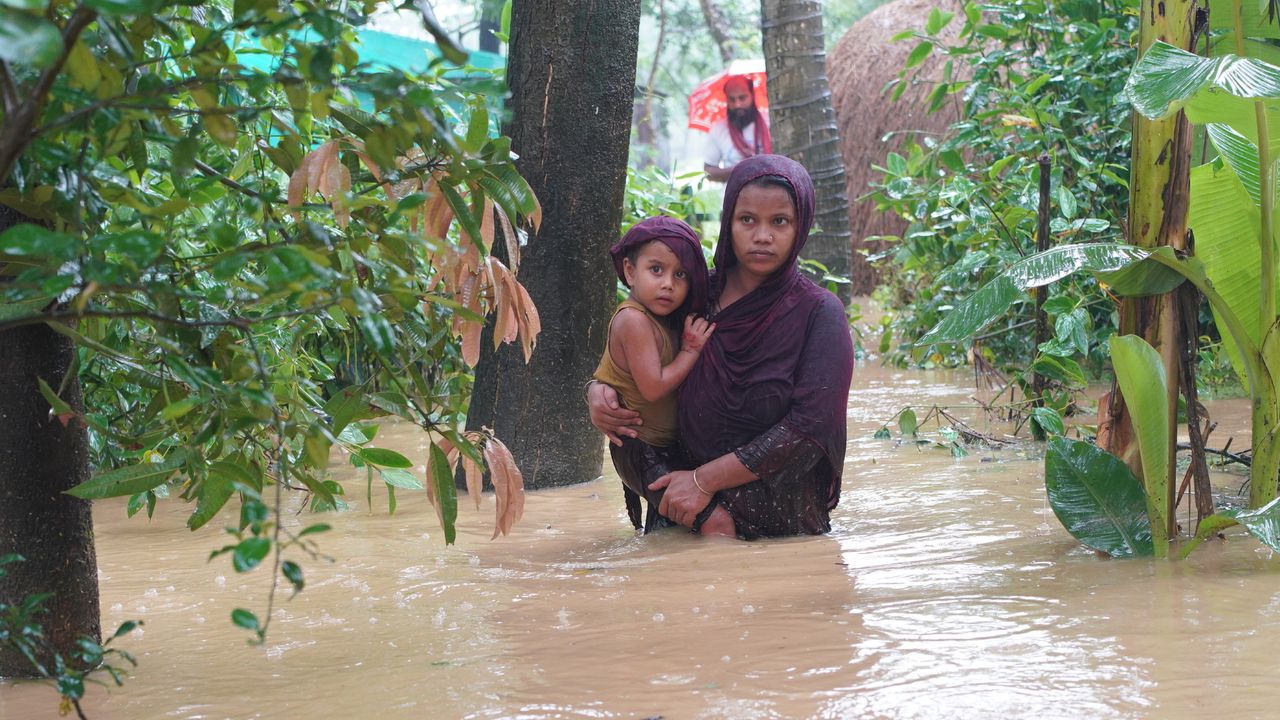

As Karnaphuli, Halda, Sangu, and Matamuhuri rivers finally retreat below their danger levels, the receding tide has left behind a landscape of mud, rot, and ruin.
For the residents of Chattogram, the end of the deluge has not brought a return to normalcy, but the start of a perilous new chapter.
Where floors were once submerged under waist-deep water, a fresh crisis is unfolding – one defined by a harrowing surge in waterborne diseases, skin infections, and a dangerous spike in snake encounters.
According to the Chattogram District Civil Surgeon’s office, the aftermath is already taking a heavy toll, with 110 people hospitalised for waterborne illnesses and at least 118 seeking treatment for snake bites.
Upazilas bear the brunt of twin threats
Analysis of health department data reveals that Patiya upazila has the highest number of waterborne illness cases, followed by Fatikchhari, Anwara, Banshkhali, and Boalkhali. In Patiya, 22 people are hospitalised, followed by 15 in Fatikchhari, 13 in Anwara, and nine each in Banshkhali and Boalkhali.
Other affected areas include Chandanaish, Lohagara, and Mirsarai with seven cases each; Hathazari and Sitakunda with six each; Satkania with five; Rangunia with three; and Raozan with one.
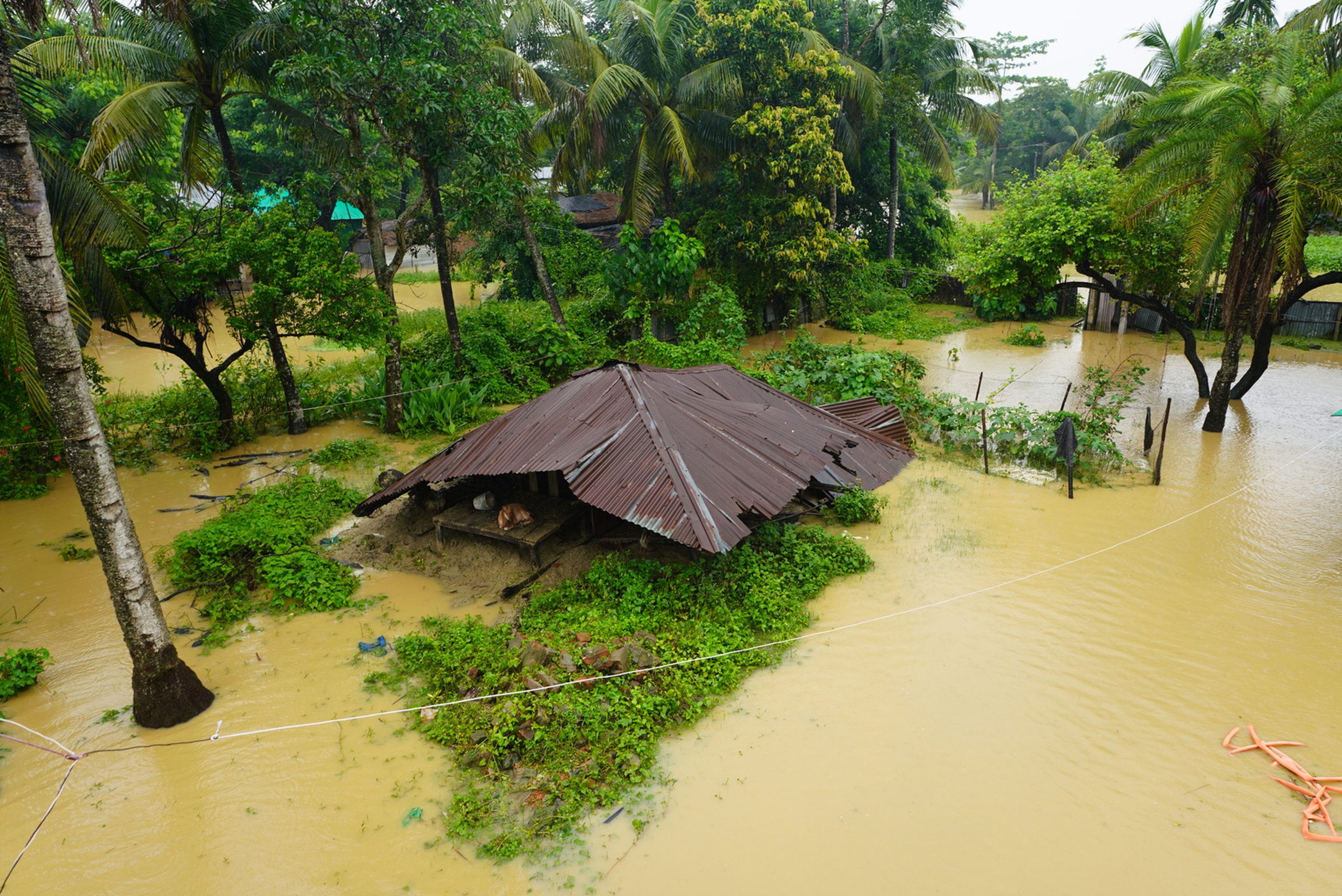
Boalkhali leads the list for snake bite cases with 26 patients. This is followed by 20 in Banshkhali, 18 in Patiya, 10 in Hathazari, nine in Raozan, and six in Satkania.

Five people each in Chandanaish, Anwara, and Rangunia have received treatment, alongside three each in Mirsarai, Sitakunda, and Fatikchhari. Two cases each were reported in Sandwip and Lohagara, and one in Karnaphuli.
Across the 11 districts of the Chattogram division, the Divisional Health Director reports a total of 132 snake bite cases, fortunately with no fatalities. However, the floods have claimed many lives: 24 people drowned (with six injured), 30 died in landslides (14 injured), and one person died (30 injured) due to other causes.
Sheikh Fazle Rabbi, the Divisional Director (Health), noted that divisional data for waterborne diseases has not yet been compiled. Public health experts attribute the current situation to prolonged exposure to contaminated water, collapsed sanitation systems, and the flooding of natural snake habitats.
Personal struggles and medical warning
For Razia Khatun of Keochia village in Satkania, the memories of the flood remain vivid. Upon returning from a shelter, she found her home thick with mud and a putrid odour.




Days spent in stagnant water have left her with severe sores on both legs, preventing her from working as a day labourer. With the family’s income halted, she is struggling to afford regular medical treatment.
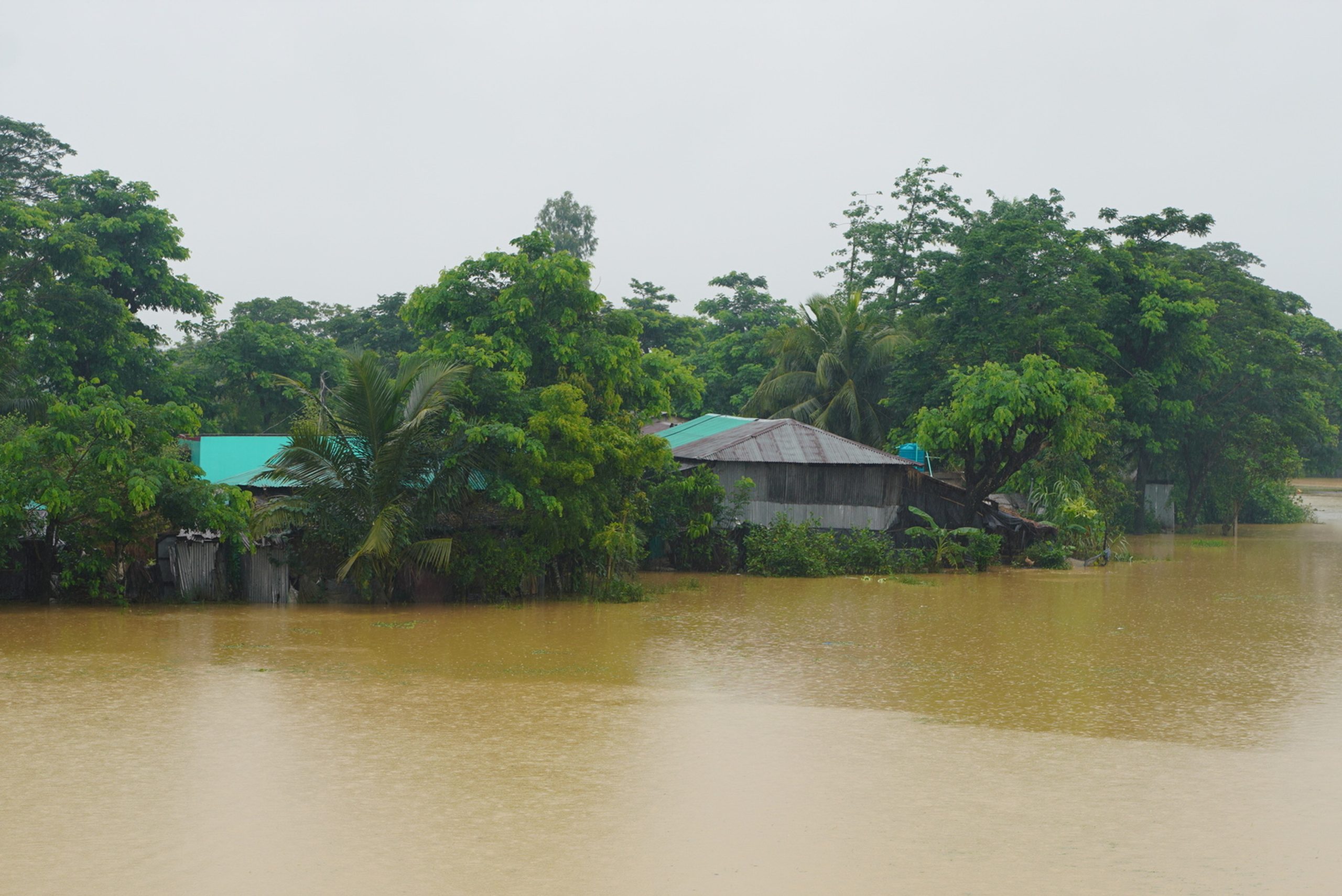
Also in Satkania, Mosammat Munni’s primary concern is not repairing her home but caring for her mother-in-law, Maleka Begum. Maleka developed a fever and a leg infection after being stranded in floodwater for an extended period.
Doctors report that the number of such patients is increasing daily.
Dr Hamidullah Mehedi, assistant professor (medicine) at Chattogram General Hospital, told TIMES of Bangladesh that the hospital now sees 30 to 40 patients daily for gastric and skin issues, a significant rise from the usual 10 to 15.
He warned that the weeks following the recession of floodwater are the most critical due to increased contact with contaminated water, waste, and pathogens.
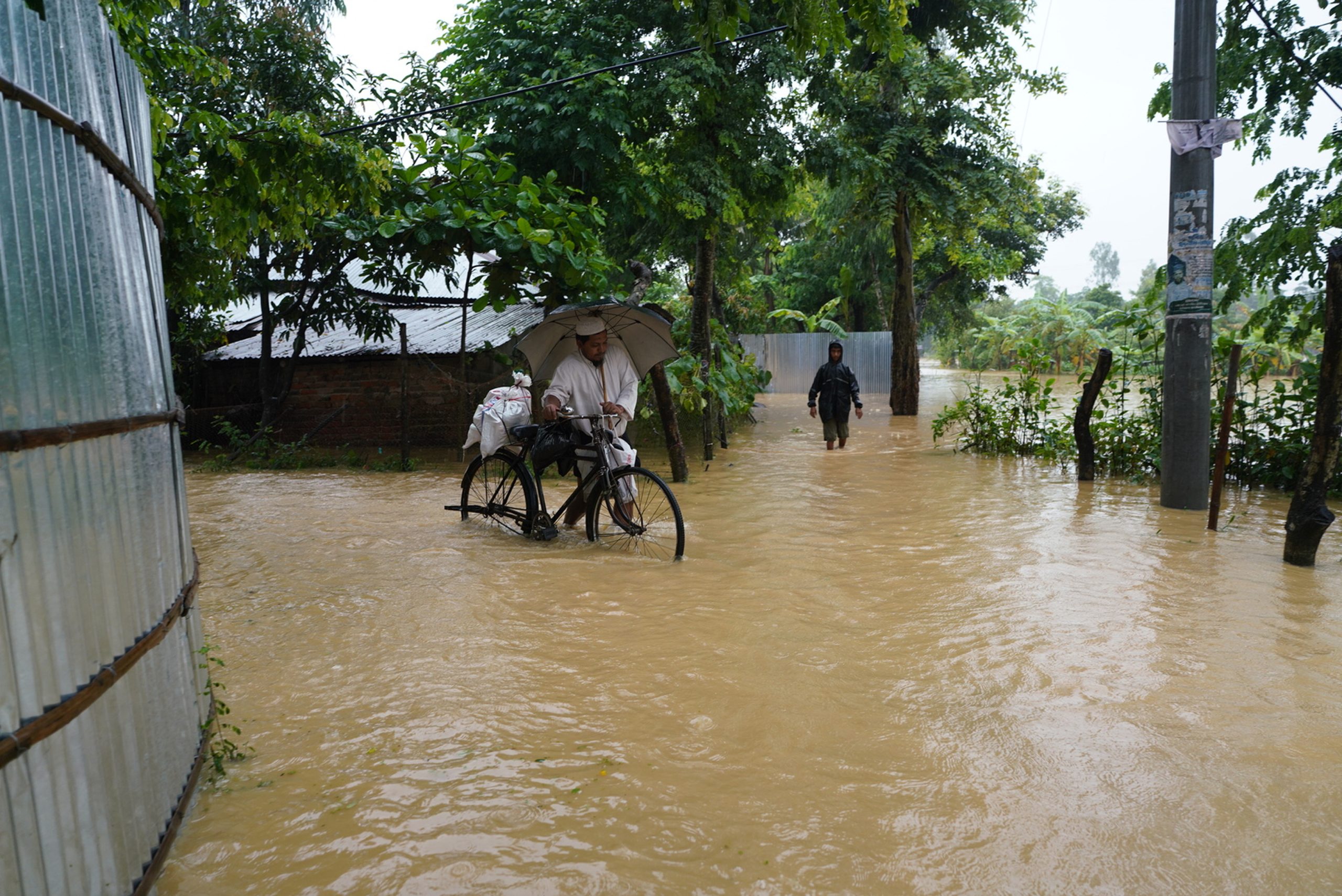
“Cases of scabies and fungal infections have risen, alongside diarrhoea and fever,” Dr Mehedi said. He cautioned patients against purchasing medicine from pharmacies without a prescription and urged the public to drink boiled water and seek advice from government hospitals.
He added that skin diseases are highly contagious and require prompt treatment.
A lingering ‘invisible crisis’
The threat from snakes is equally concerning, as both venomous and non-venomous species are seeking refuge in human settlements after their burrows and bushes were submerged. To manage this, the health department has stocked 800 doses of anti-venom in various district hospitals.
Additionally, 112 medical camps have provided care to 46,200 people thus far.
Dr Jahangir Alam, the Chattogram district civil surgeon, emphasised that medical camps are not a standalone solution. He warned that infections will continue to escalate unless safe water is provided and damaged tube wells and sanitation facilities are quickly restored.
Children, the elderly, and pregnant women remain the most at risk.
According to divisional and district administration figures, the floods affected approximately 7.85 lakh people across 1.85 lakh families in Chattogram. In Chattogram district, 16 people died and 240 were injured, while the divisional death toll reached 55.
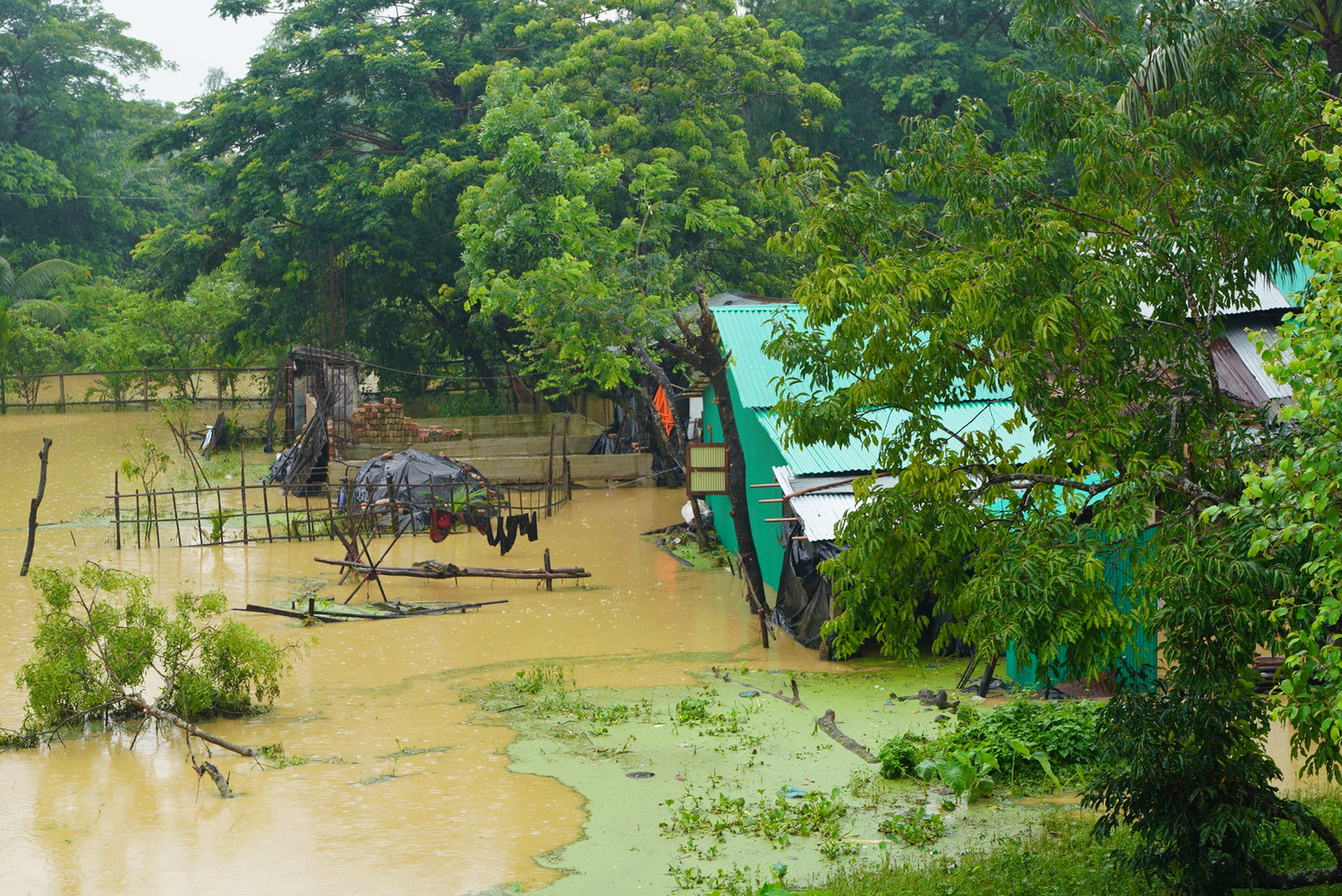
The damage to property is extensive, with 15,228 houses damaged in the district – including 13,459 mud houses – and 46,538 houses damaged across the division.
Beyond the visible destruction lies an invisible crisis: long-term health risks. While it was hoped that the receding water would end the suffering, the struggle has merely changed its form.
For many in Chattogram, the battle is no longer against the rising tide, but against the diseases, infections, and hidden dangers it left behind.
Meanwhile, Tanjir Saif Ahmed, executive engineer of the Water Development Board, told TIMES that all rivers in Chattogram are now below the danger level. He confirmed that floodwaters have fully receded and repairs to damaged small embankments have been completed.