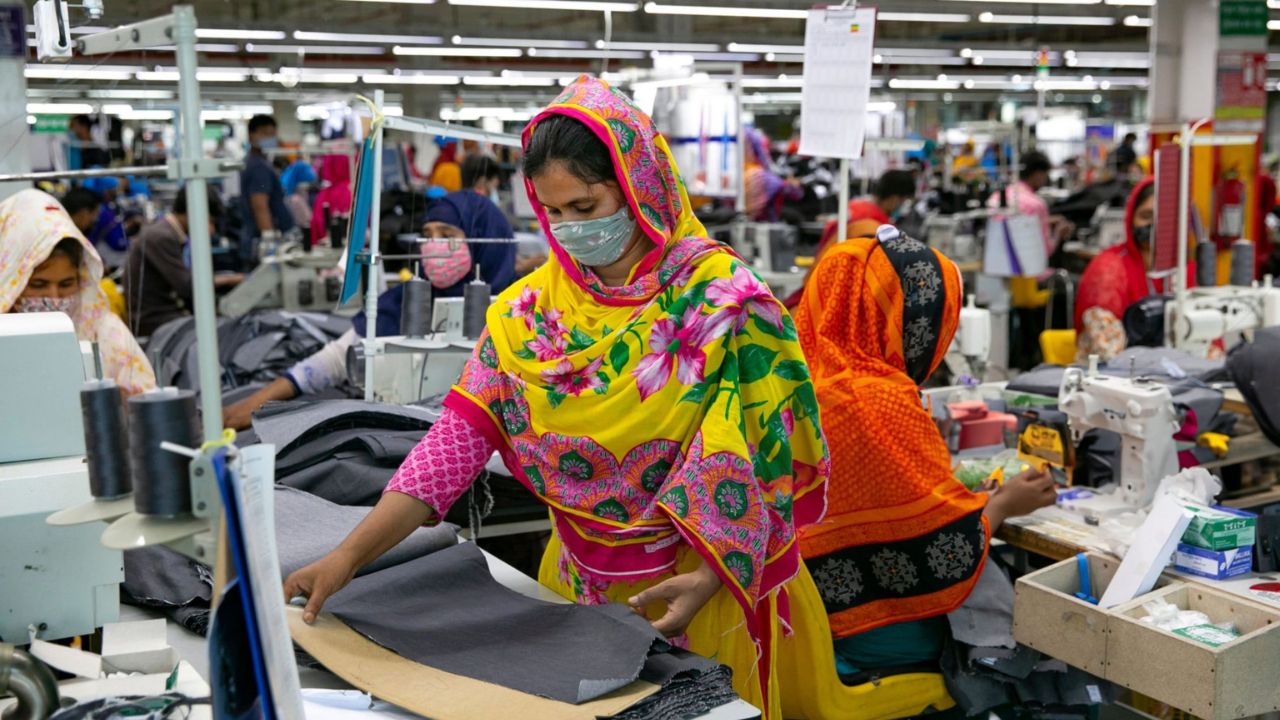
There was a time when jute was not merely a crop in Bengal; it was the backbone of a nation. For centuries, the fertile plains of Bengal produced some of the world’s finest jute, feeding an industry that stretched from colonial trade routes to the factories of independent Bangladesh.
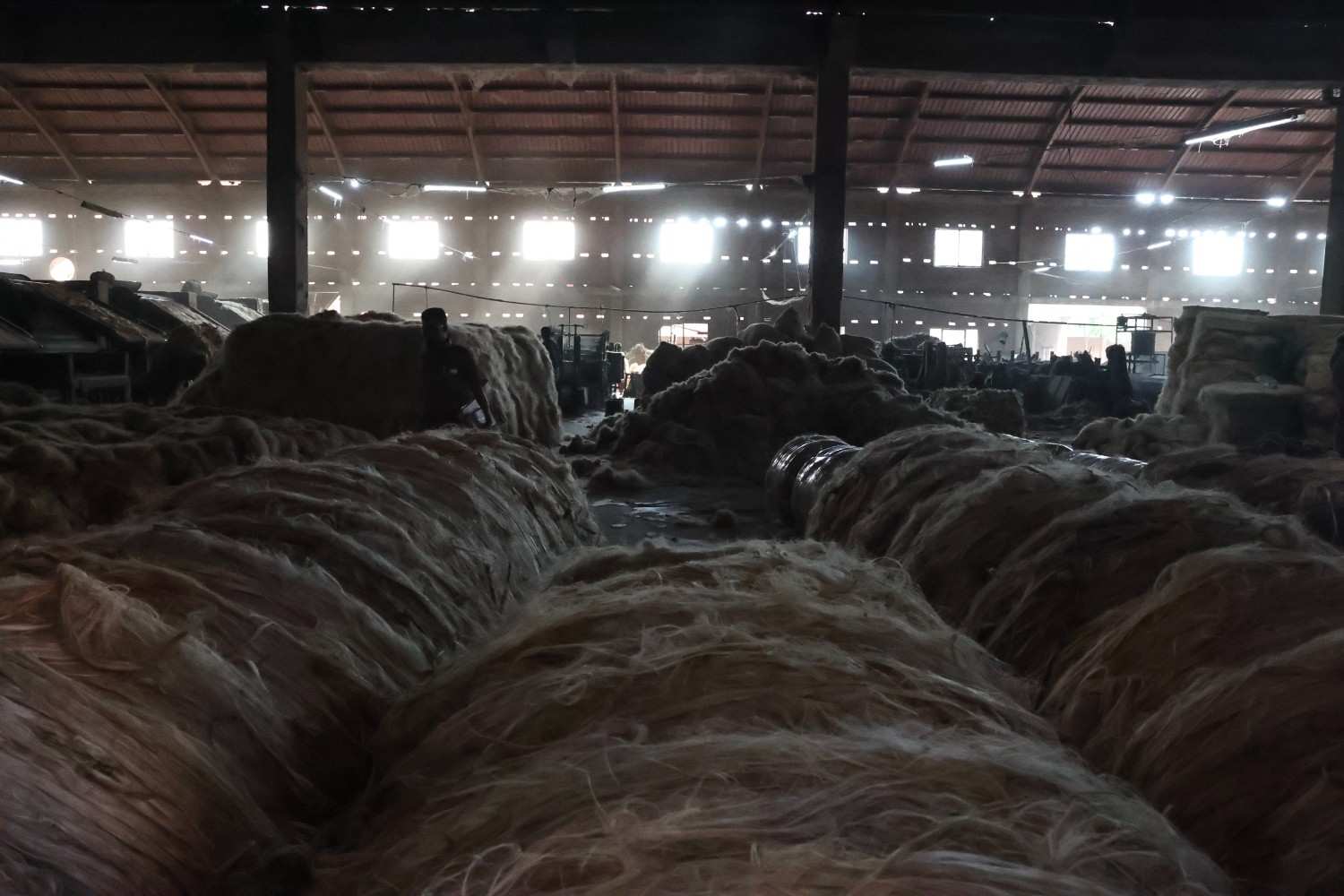
Under British rule, Bengal’s raw jute supplied global mills, particularly in Dundee, Scotland. After independence in 1971, jute became Bangladesh’s economic lifeline. The “golden fibre” generated nearly 90 per cent of the country’s export earnings during the 1970s.
Jute helped to rebuild a war-torn economy, created foreign exchange reserves, and sustained millions of livelihoods, from farming to factory labour.
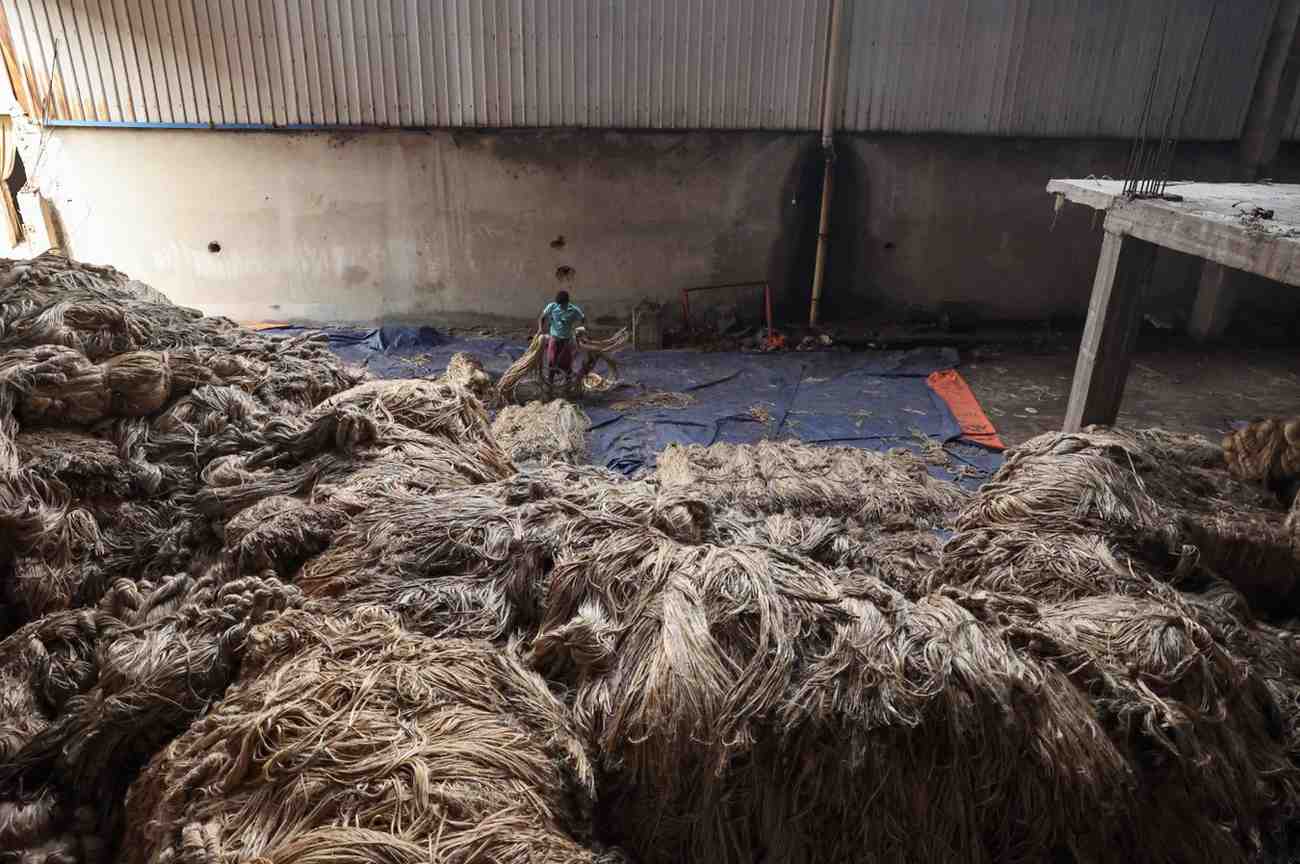
From Khulna to Narayanganj, jute mills once thundered with life. Entire communities depended on the sector, which stood as a symbol of national industrial strength. But the golden age did not last.

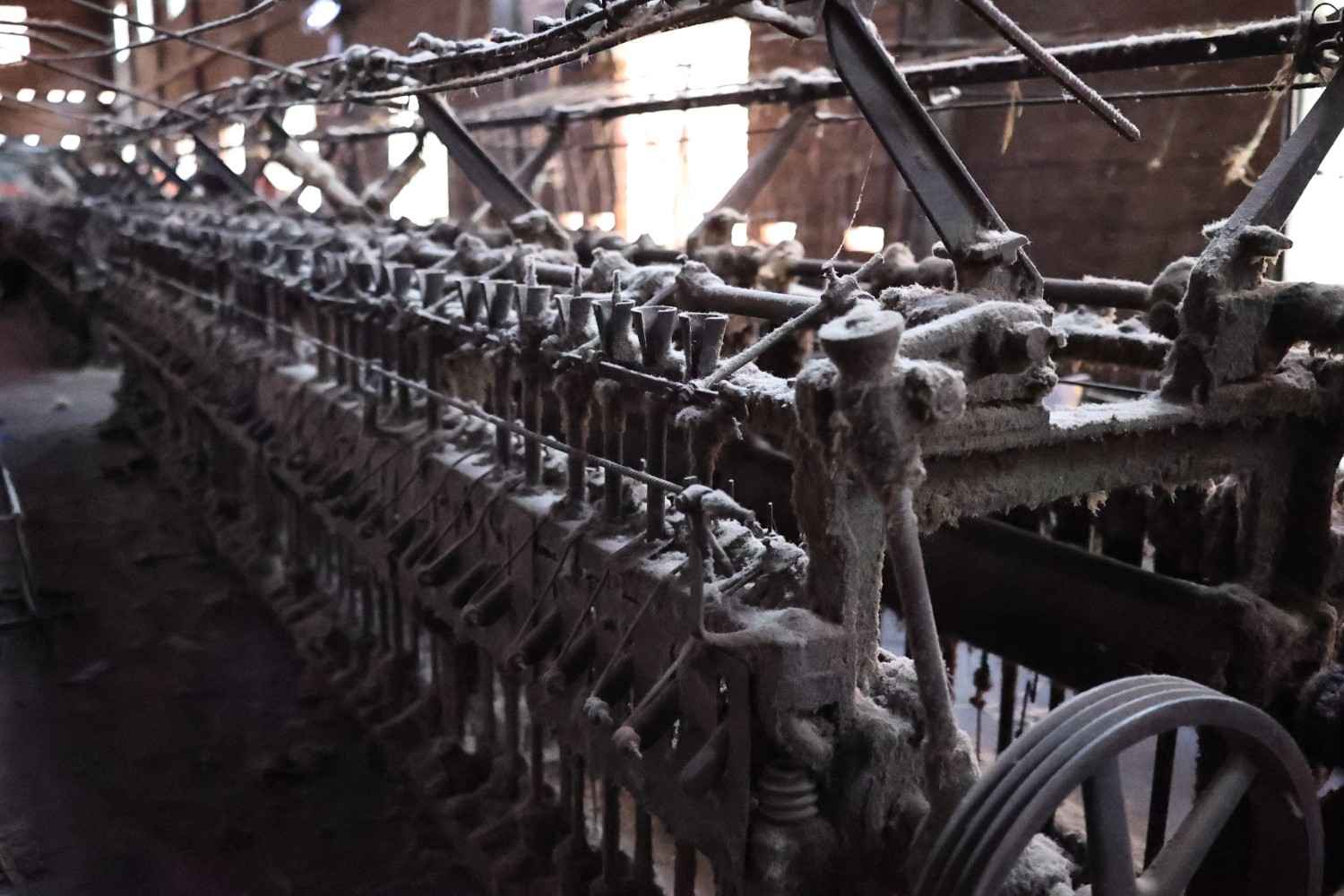
The rise of cheap synthetic alternatives, shifting global markets, and stronger foreign competition began eroding Bangladesh’s dominance.
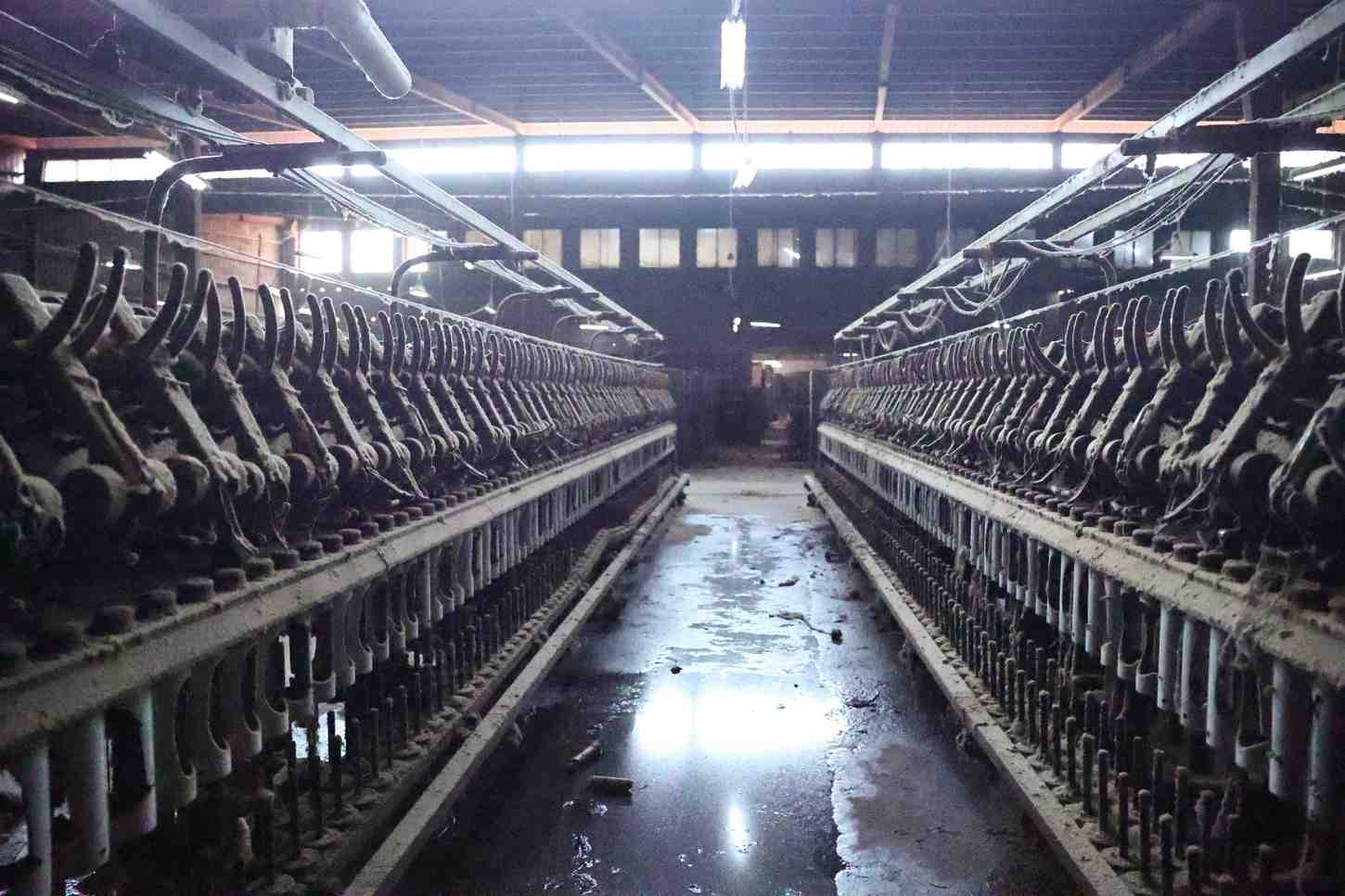
At home, outdated machinery, weak governance, inconsistent policies, corruption, rising fuel costs, load shedding, and poor wages deepened the crisis.


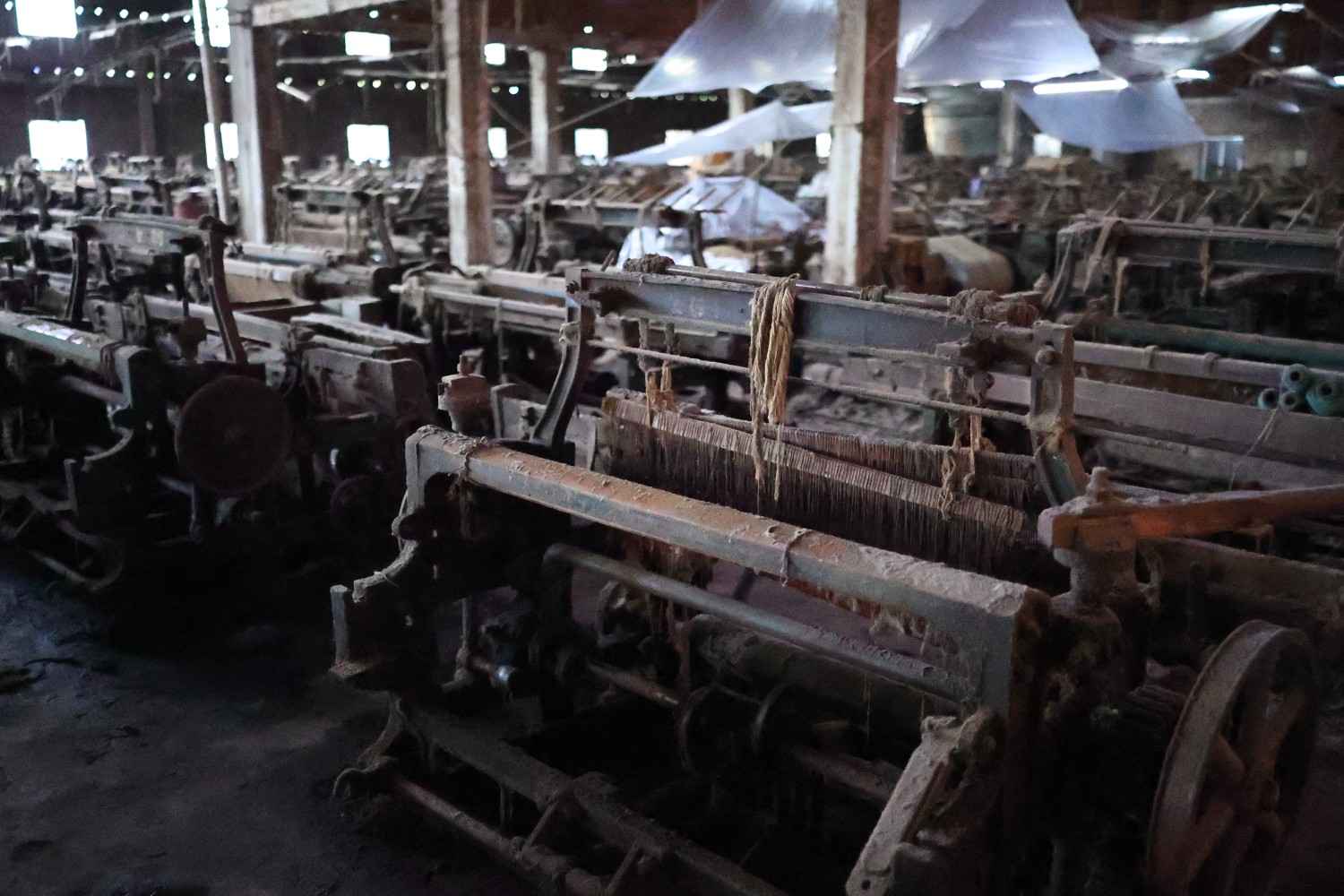
While global demand increasingly shifted toward diversified, eco-friendly jute products, much of Bangladesh’s industry remained stuck producing traditional, low-value goods using ageing infrastructure.
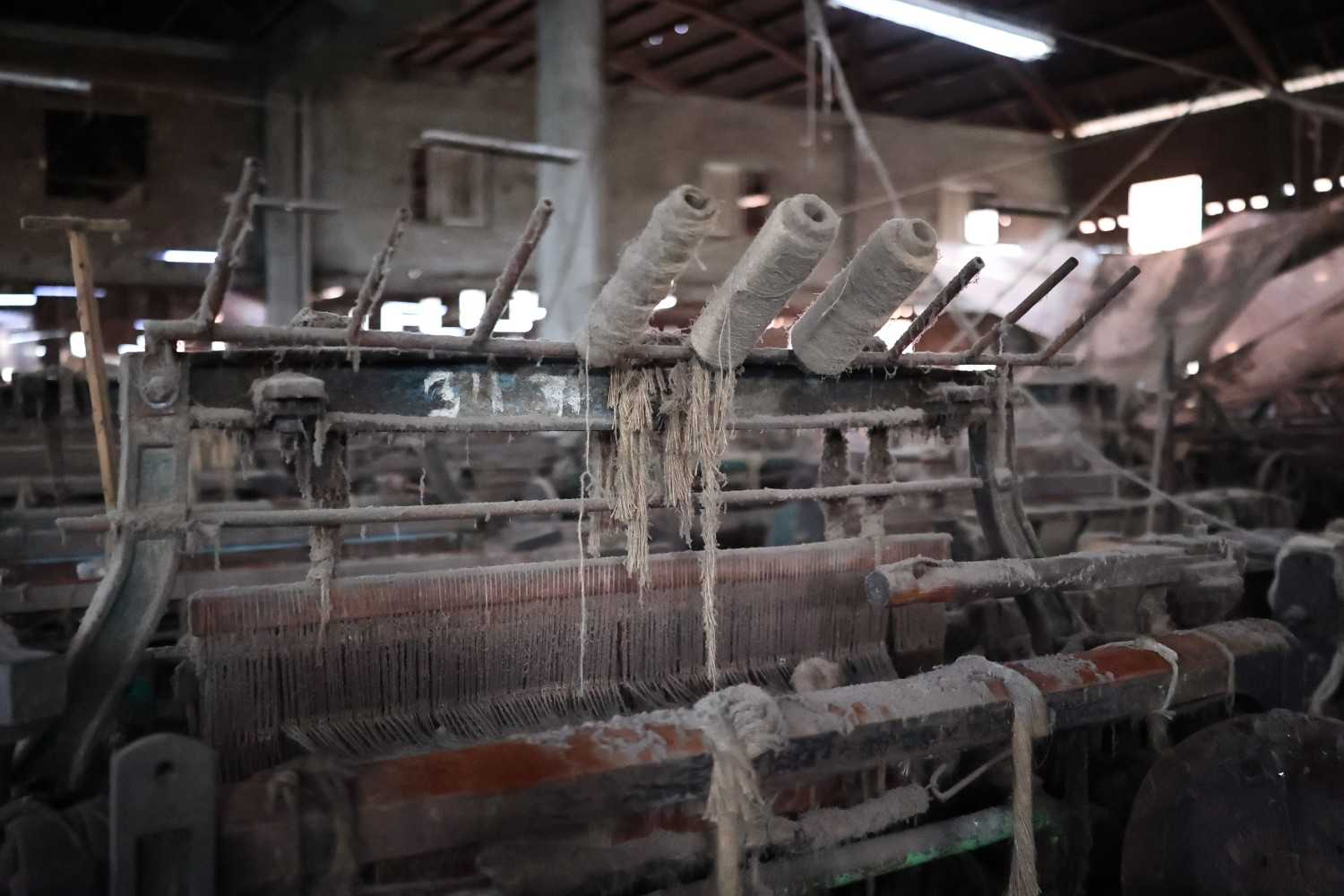
The decline has been devastating. Jute’s share of national export earnings has dropped from nearly 90 per cent to less than 2 per cent today.
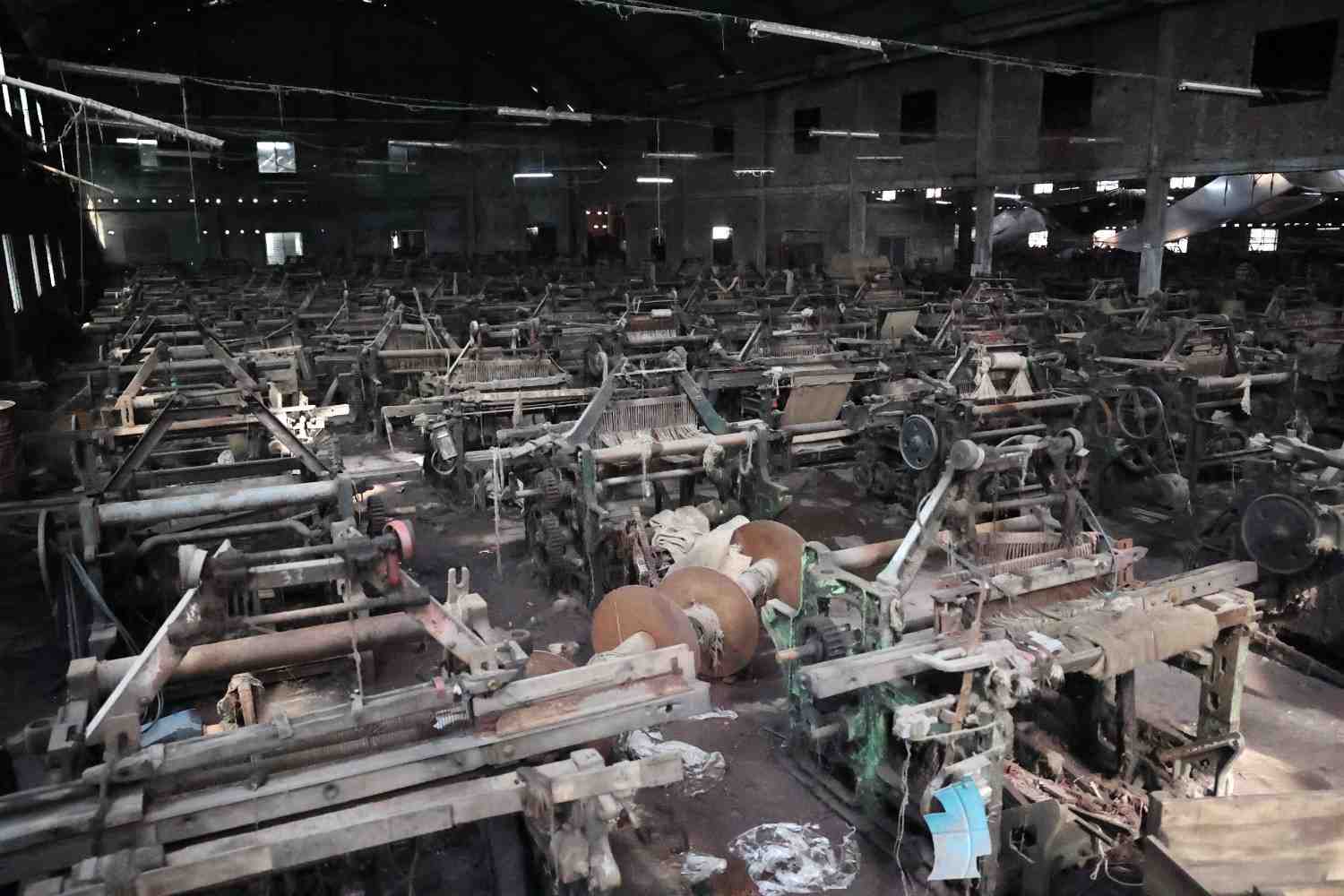
Export earnings declined from $911.5 million in FY2022-23 to $820.1 million in FY2024-25. In 2020, 25 state-owned jute mills were shut down, displacing around 25,000 workers in one of the sector’s darkest chapters.
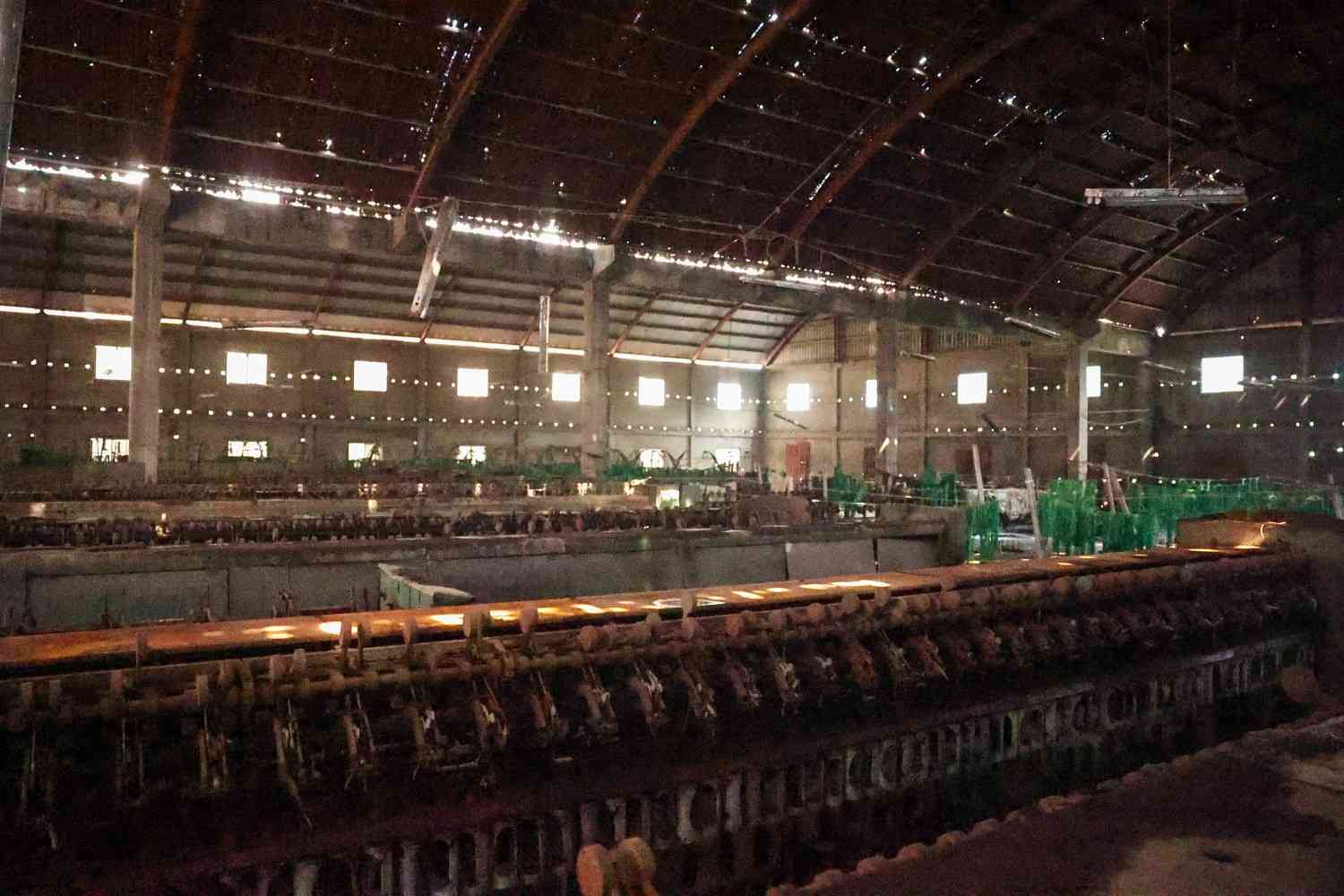
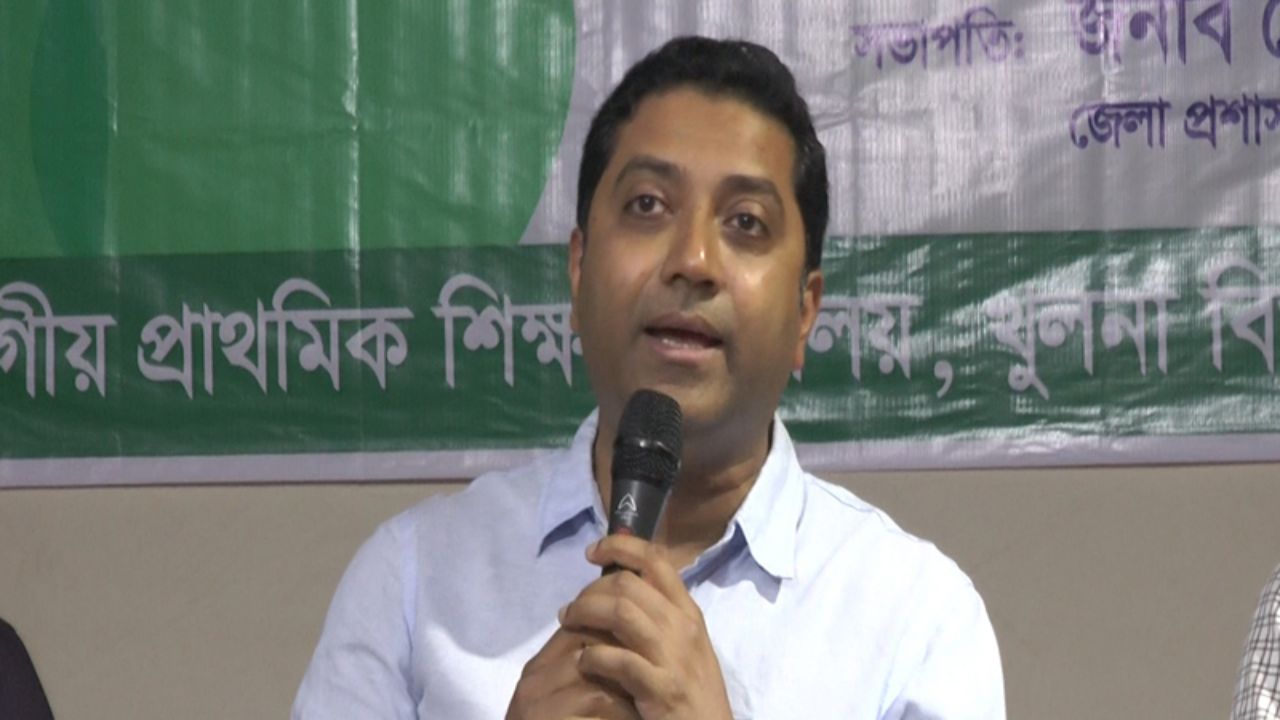
The human cost is perhaps most visible inside the mills themselves. “At one time, our mill had more than 7,000 workers,” said Shakil, an employee of Yeasin Jute Spinning Mills Ltd. “Now it is only around 10 per cent of that, because wages here are too low compared to other trades.”
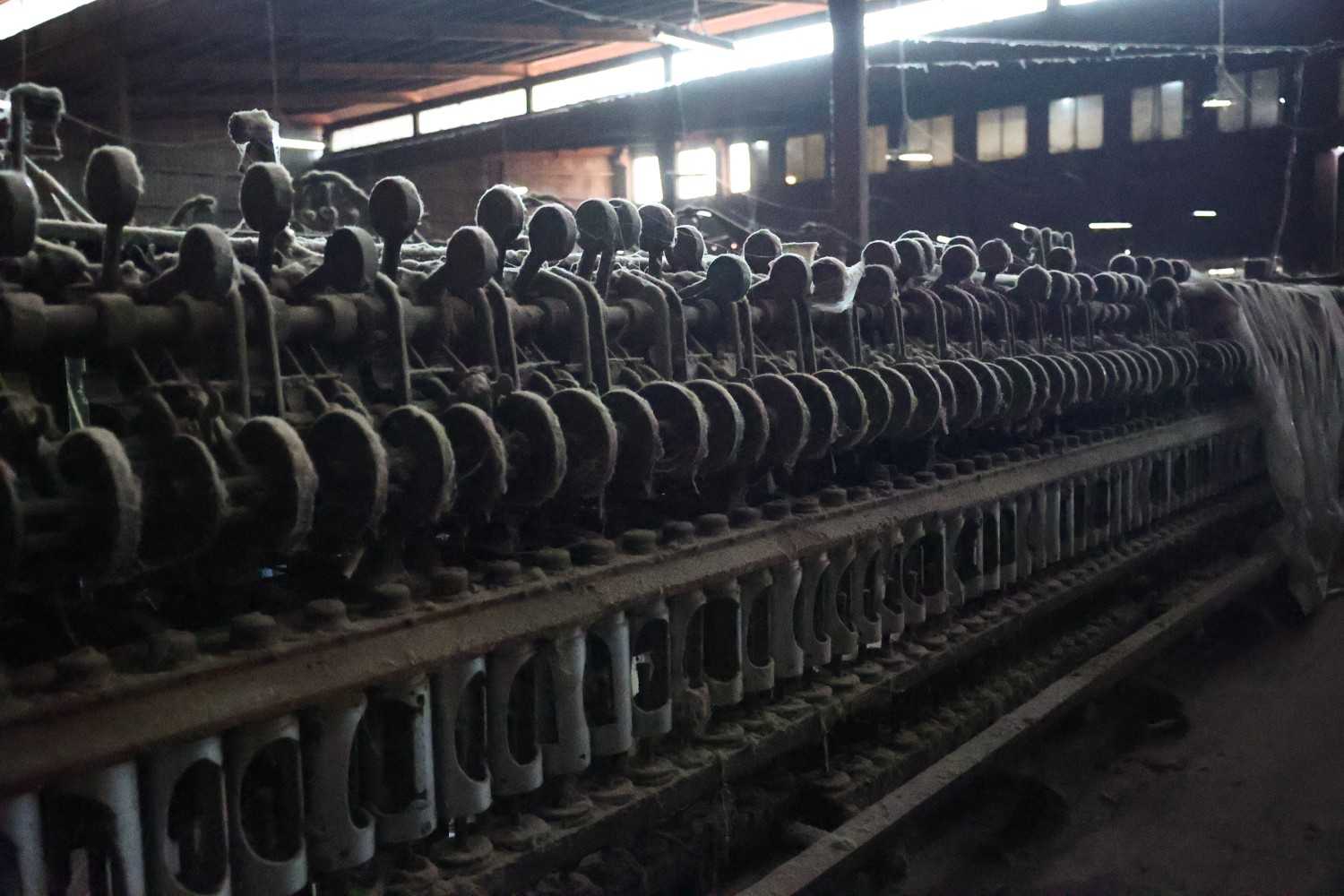
His words echo across Bangladesh’s abandoned looms and dust-covered machinery, reminders of an industry that once powered a nation’s rise.
Yet jute’s story is not finished. In an era increasingly shaped by environmental awareness and the search for biodegradable alternatives to plastic, Bangladesh still holds a powerful advantage.
With modernisation, product diversification, research investment, and stronger governance, the same fibre that once built the country could again become a pillar of sustainable growth.
Bangladesh’s golden fibre industry may be fading, but its final chapter has yet to be written.