


Scientists have discovered a 210‑million‑year‑old dinosaur in Zimbabwe, offering new clues to how the animals spread across southern Africa.
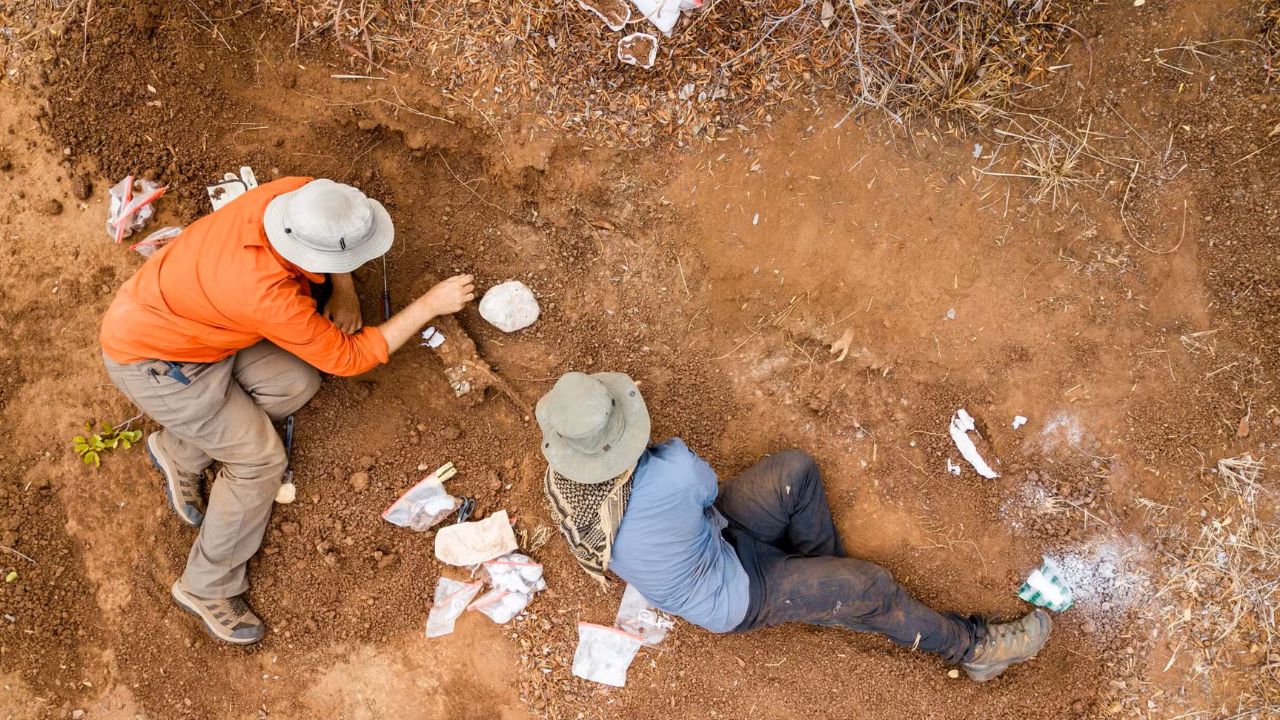
The species, named Musango matusadonaensis, was found from a skeleton excavated near Lake Kariba in 2018. It is the fifth dinosaur identified in the country, reports AFP.
Musango lived during the Late Triassic, when dinosaurs were beginning to spread but were not yet dominant.

At about 4.5 metres long and 222 kilogrammes, it was lightly built compared to the giant long‑necked dinosaurs that evolved later. Named after the Shona word “musango,” meaning “living in the bush,” the fossil is among the most complete of its age found in Zimbabwe.




Bones show it was nearly fully grown, around eight years old, and had recovered from a serious injury or infection. Researchers believe Musango was likely a herbivore or omnivore, feeding on plants along rivers and streams.
The discovery suggests southern Africa had distinct ecosystems with different dinosaur species, said Paul Barrett of London’s Natural History Museum.
“It suggests that what we’ve found so far is only the tip of the iceberg,” he added. The findings were published in the Journal of Systematic Palaeontology.