Environment Adviser Syeda Rizwana Hasan has underscored the need for joint initiatives built on trust, cooperation and continuous dialogue among South Asian countries to confront growing environmental challenges.
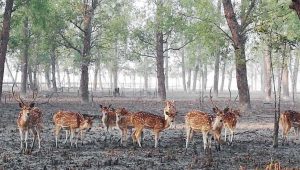
She pointed to the importance of strong regional platforms such as the South Asian Cooperative Environment Programme in tackling shared concerns including transboundary air pollution, river basin management, cross-border plastic waste movement and the protection of critical ecosystems such as the Sundarbans.
The Adviser made the remarks during a meeting with SACEP Director General Norbu Wangchuk at the Secretariat.
Their discussions centred on strengthening regional cooperation on climate action, environmental protection and transboundary ecological issues across South Asia.

Wangchuk briefed the Adviser on SACEP’s current programmes in member states, covering climate adaptation, biodiversity conservation, air-quality improvement and marine-pollution control.
He praised Bangladesh’s leadership in environmental governance and reiterated SACEP’s readiness to support the country through collaborative projects, capacity-building initiatives and multi-donor funding platforms.




Adviser Rizwana called for deeper joint programming between Bangladesh and SACEP, particularly in climate adaptation, air-quality management and biodiversity protection.
She stressed the need to keep environmental priorities at the forefront of regional and national policymaking, even during political or economic transitions.
Wangchuk also shared updates on SACEP’s governance structure, its upcoming Governing Council engagements and plans for expanded technical and programmatic collaboration. He invited Bangladesh to take an active leadership role in upcoming initiatives, including regional air-quality efforts supported by international development partners.
The Adviser welcomed SACEP’s continued cooperation and reaffirmed Bangladesh’s commitment to advancing collective environmental solutions in the region.
She expressed hope that stronger regional collaboration would bring tangible benefits to the people of South Asia, particularly those most vulnerable to climate impacts.
Dr Farhana Ahmed, secretary of the Ministry of Environment, Forest and Climate Change, and senior officials of the ministry also attended the meeting.