Bangladesh’s recurring market disruptions and weak investment climate stem from a single structural failure – red tape and delayed decision-making, according to Amirul Haque, managing director of Seacom Group.
Speaking with Mahfuz Ullah Babu on TIMES BIZ, the business show of TIMES of Bangladesh, Haque said warnings from the private sector are routinely ignored, allowing predictable pressures to spiral into crises.
He argued that bureaucratic inertia has become more damaging than market issues themselves.
Click here to watch the interview.
“The biggest obstacle is red tape, the bureaucratic hurdles. With red tape intact, Bangladesh won’t change,” said Haque, who also heads the LPG Operators Association of Bangladesh and the Bangladesh Cement Manufacturers Association.
The ongoing LPG supply crunch, he said, illustrates the cost of inaction.
Operators had sought approval months in advance to raise imports ahead of winter demand and tightening global supply, but the applications were rejected.

“We told the government back in November to allow us to increase imports,” he said. “Five or six companies applied together, but the energy ministry said there was no provision.”
The delay, Haque argued, prevented operators from building inventory before peak demand, creating a supply gap that later surfaced at the retail level.
“If permission had been given on time, we could have brought gas earlier,” he said, noting that approval finally came only last week.
He added that global warning signs made advance planning essential. Sanctions-related shipping constraints, geopolitical tensions and vessel shortages had already pushed up LPG import costs and risked procurement.



“There is a crisis in the international market,” Haque said. “Global shocks cannot be controlled, but managing their impact is a policy responsibility.”
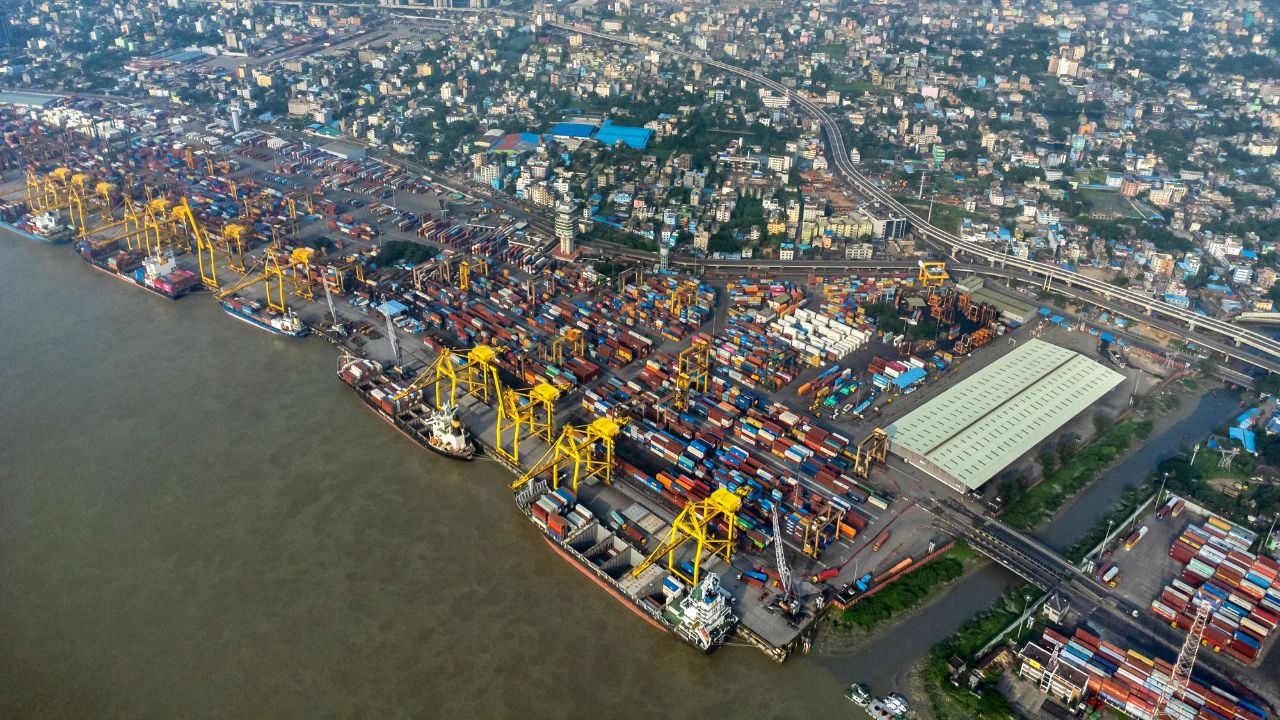
The same policy paralysis, he said, has stalled efforts to diversify LPG sourcing from the United States. Private operators signed agreements worth about $1 billion. But the initiative has stalled because Bangladesh lacks a year-round deep-sea discharge facility capable of handling large LPG carriers.
Requests for a common facility at Matarbari received no response from the government.
“We asked for a place where we could discharge round the year,” he said as Chattogram’s outer anchorage cannot function as a permanent alternative.
As LPG prices surged in the retail market, Haque rejected allegations that operators overcharged consumers. He said companies sold at regulated prices and blamed weak enforcement further down the distribution chain.
“We did not sell a single cylinder above the fixed price,” he said. “If anyone claims otherwise, they should show proof.”
He questioned why enforcement standards applied in fuel and pharmaceutical markets were not extended to LPG.
Haque said the same bureaucratic delays continue to block industrial investment.
He cited his own experience of waiting nearly four years for land-use approval for an industrial project despite completing registration and regulatory clearances.
“I bought the land, registration was done, and all clearances were obtained,” he said. “Still, the permission has not been granted.”
A separate $200 million investment project, he added, remains stalled with no decision or timeline.
While Bangladesh’s economy is driven by the private sector, Haque said its experience and capacity are routinely sidelined in policymaking.
“This economy is private-sector driven,” he said.
Without dismantling bureaucratic bottlenecks, he warned, new entrepreneurs will not emerge and investment momentum will continue to erode.
“If new entrepreneurs are not created, Bangladesh will remain stuck,” he said.
Global shocks may be unavoidable, but red tape, Haque argued, turns manageable risks into recurring crises.
Without timely approvals, infrastructure decisions and effective market enforcement, Bangladesh’s ambitions will remain constrained by its own systems.