By Sharmin Chowdhury
After months of juggling the endless demands of daily life, my body and soul reached a breaking point. Burnout is a word that gets tossed around often, but when you’re in it, the exhaustion feels bone deep. One morning I realised, I couldn’t just keep pushing forward. I needed to step back, to pause, to breathe.
I thought about going to tea gardens, beaches and hill tracks, but my mind kept circling back to one name, Rangamati. At one point, it felt less like a choice and more like calling. So finally, I planned the trip and packed my bag.
A journey towards stillness
I wasn’t planning an action-packed holiday. What I wanted was stillness. To eat when hungry, sleep when tired, walk when the heart wants and sit in silence without guilt.
I found a like-minded travel partner, and we boarded the bus one night. The ride was comfortable, we slept well, and by morning we rolled into Rangamati.
Our stop was Rangadip Resort, perched on the lap of Kaptai Lake. It was everything I had hoped for: quiet, simple, and beautifully placed.

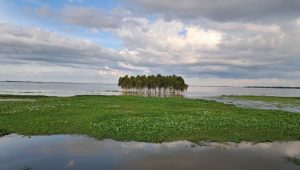
In the spacious and cosy twin bedroom we were given, the balcony became my first refuge. From there, I could feel a shift happening inside me. The lake stretched endlessly, a canvas of blues and greens. Small islands floated in the distance.
The art of doing nothing
On our first day, we did nothing. Absolutely nothing. And it was glorious.
I took a long shower and then we lounged on the balcony with our cups full of tea and coffee, watching the slow choreography of the lake. Birds flew past, butterflies drifted by. A fisherman arrived with his boat and hook, sitting patiently for hours. His rhythm became ours, unhurried, calm, unbothered by the clock.
For lunch, we ordered local food. The standout dish was “shobji sheddho with morich bhorta”, boiled vegetables paired with a fiery chilli mash. It was comfort food at its best: simple, soulful, nourishing.

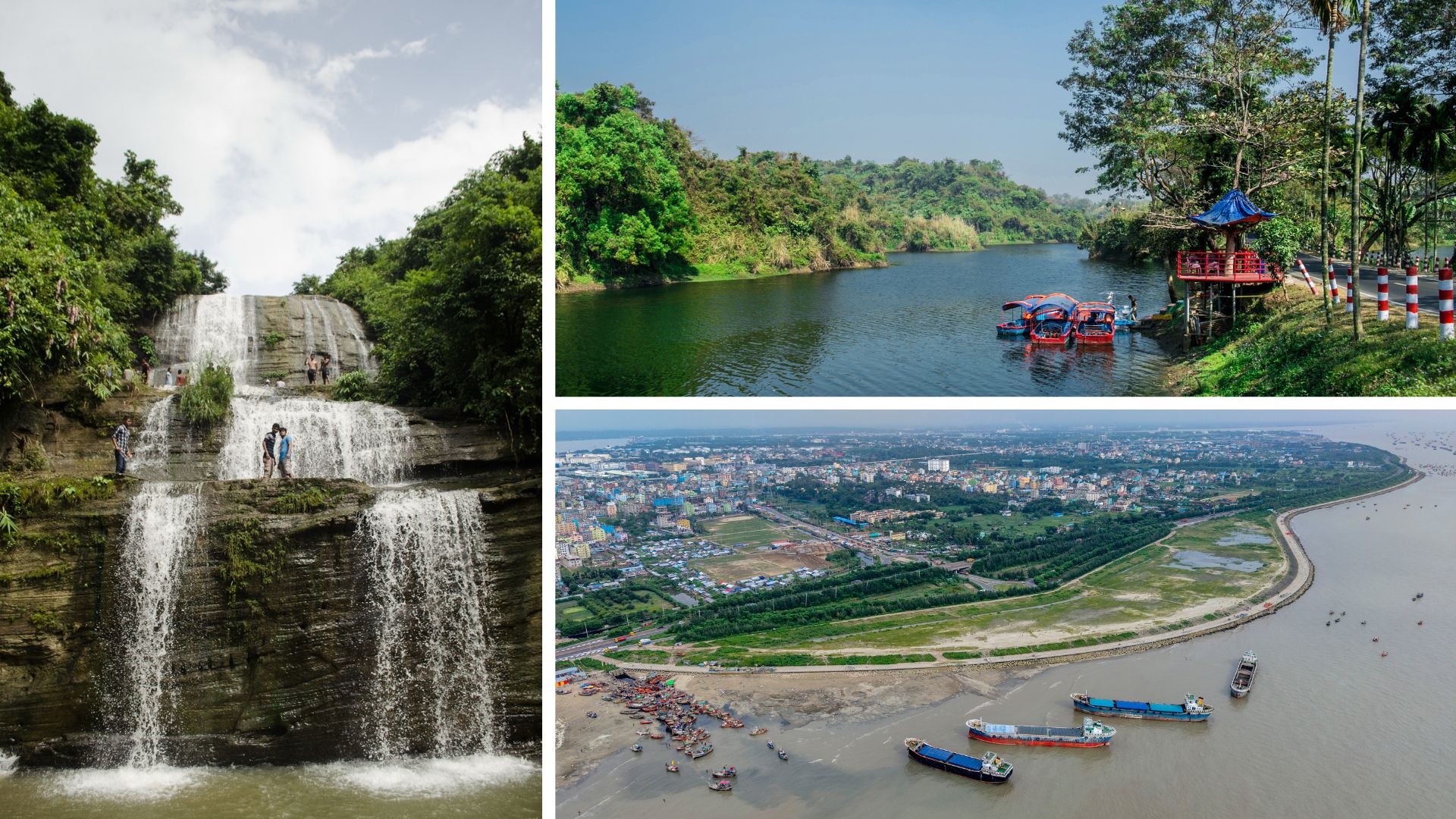
And the dining hall itself deserves a mention. Its long-stretched balcony separates you from the rest of the world and, in exchange, hands you a panoramic view of Kaptai Lake. It was mesmerising, I stood and looked and felt the time itself slowing down.
A day on the boat
The next morning, we set out for a full-day boat ride to explore the beauty of the place. Just the two of us and our happy-go-lucky boatman drifting across the calm waters, the day felt intimate and unhurried. Our first stop was the Adibashi Market, a small uphill space where life unfolded in colourful simplicity.
Local shops displayed handwoven local clothing, jewellery, bags, and more. And then there were the “pahari anarosh”, the hill pineapples. I still remember that first bite. Sweet, sharp, and bursting with juice, like an instant shot of energy. After that, we set off toward Shubholong Jhorna.
Shubholong Jhorna: A waterfall that heals
Shubholong Jhorna was pure poetry. A place of ethereal beauty.
The sound of the cascade filled the air like music. We couldn’t resist stepping in. The moment our feet touched the water, there was no going back. We waded closer, and soon, we were under the falls. The water poured down with force and grace, drenching us completely.
It was more than a shower; it was a cleansing. Every bit of fatigue, every knot of stress, seemed to wash off. I closed my eyes and let it happen. Soul-drenching, meditative, beautiful.
The journey back
We returned to the resort that evening exhausted, but in the best way. Tired, yes, but lighter, happier, fulfilled. There was an energy in me that I rarely feel in the city. It wasn’t the caffeine-fuelled, rushed energy of daily life. It was gentler, deeper. The kind that makes you breathe differently.
Our Rangamati trip wrapped up the next morning, but travel has a way of surprising you. On a sudden plan, we detoured to Chittagong and stayed the night. There, a friend joined us, and together we decided to drive back through Bandarban.
It was a beautiful drive, the road winding through rolling hills covered in fresh, rain-washed greenery. We made short stops at Milanchhari and Chimbuk before finally heading back to Dhaka.
Nothing was planned, nothing was perfect, but it was real. And sometimes, that’s the best way to travel.
What Rangamati leaves you with
Looking back, this trip wasn’t about sightseeing or checking boxes. Rangamati is not a place that demands you to “do”, it invites you to “be.”
It teaches you the value of stillness. It’s about finding beauty not in motion, but in pause.
In a world that constantly pushes us to run and chase, Rangamati, this time, reminded me that sometimes the most healing thing you can do is stop and just be.
Travel Notes:
- Bus we took: Saint Martin Hyundai Robi Express
- Journey time: 8–9 hours
- Resort we stayed in: Rangadip Resort
- Local transport: CNG auto rickshaw; Paharika bus to Chittagong
- Boat ride: Was arranged by the resort manager
- Cost in Rangamati: Approximately Tk 25,000.
Note: Night roaming was not recommended by our resort manager; we didn’t stay out after 8:00 pm.