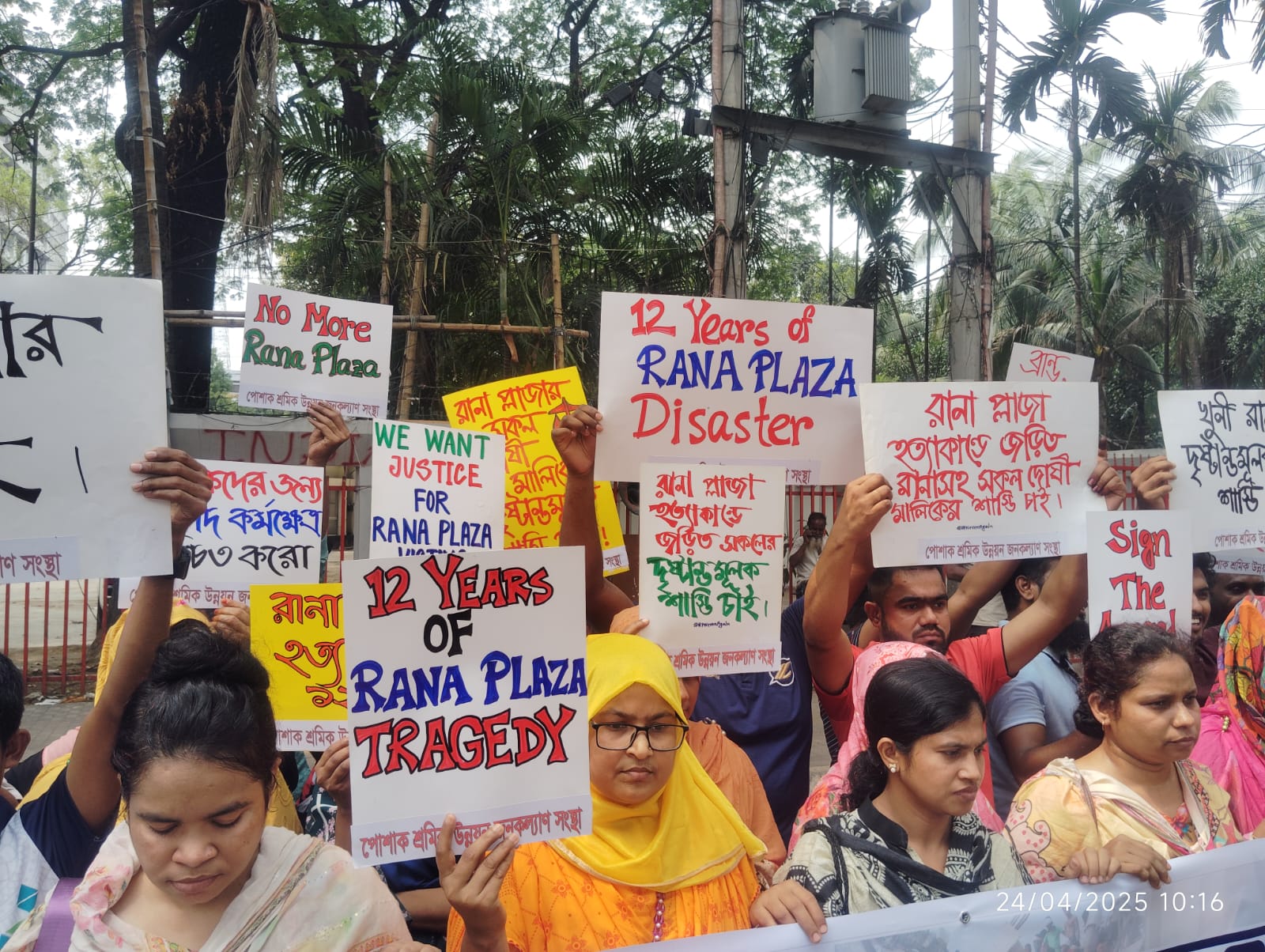



Twelve years have passed since the eight-storey Rana Plaza building collapsed on a humid April morning in Savar, on the outskirts of Dhaka. Among the nearly 5,000 garment workers trapped inside was Kobir Molla, who survived after being buried under the rubble for four agonizing days.
As he lay immobilized, he watched more than two dozen coworkers die one after another. Some cried desperately for water — one even survived by drinking his own urine.
“Even today, I can’t sleep without a light on. I can’t stay alone in the night. That fear—it never left me,” Molla told Times of Bangladesh, recalling the horror of one of the world’s deadliest industrial disasters.
The April 24, 2013, collapse claimed over 1,100 lives and injured more than 2,500 — most of them garment workers. The disaster was a wake-up call for Bangladesh’s garment industry, which contributes over 80% of the country’s export earnings.
Western buyers launched initiatives to improve workplace safety, leading to the formation of the Accord on Fire and Building Safety in Europe and the Alliance for Bangladesh Worker Safety in the US.
Yet for survivors like Molla, the trauma persists, and justice remains elusive. “Twelve years have gone by, and I haven’t received a single penny in compensation,” he said.

“No one cares anymore.”
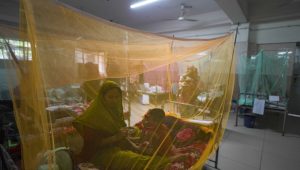
Molla was working on the fourth floor for Phantom Apparels Ltd., one of five factories housed in the building. After being rescued, he spent 15 days in the hospital. Like thousands of others, he had gone to work not out of dreams, but out of necessity—driven by hunger.
That morning’s routine turned tragic. Smiles exchanged on the way to work became final farewells for many.

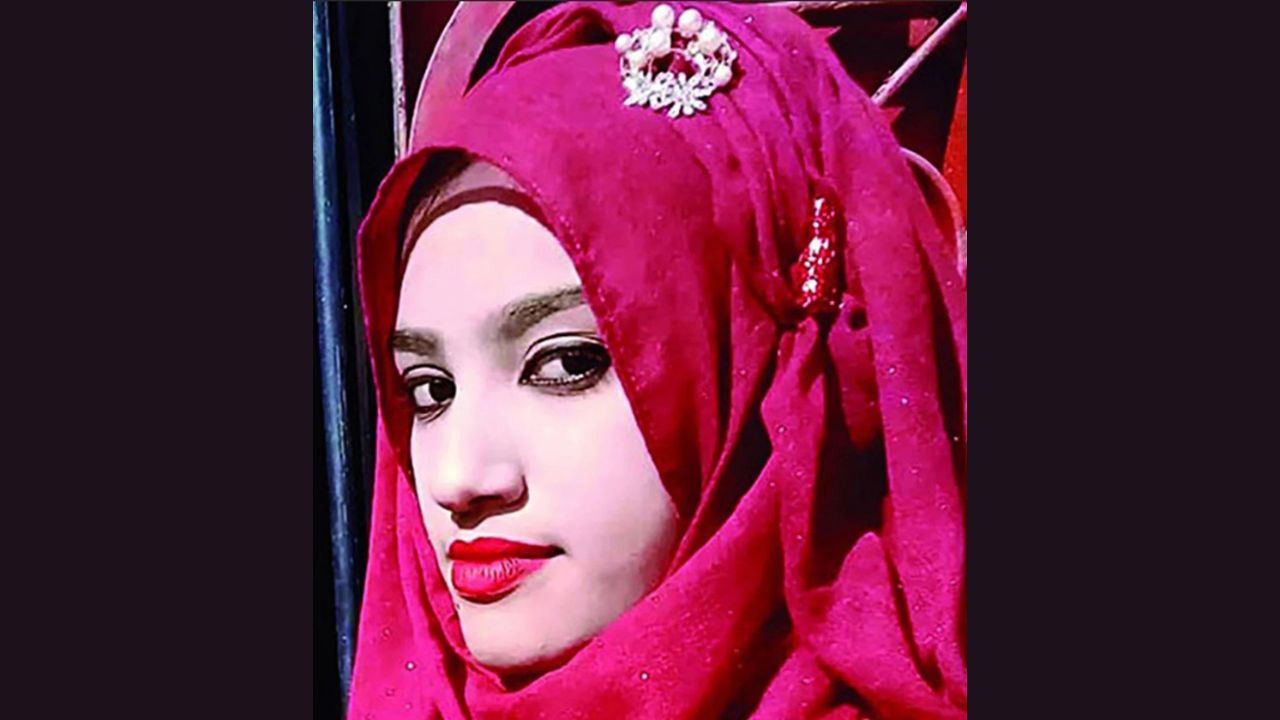

Rana Plaza became a graveyard of dreams. The tragedy, seared into Bangladesh’s collective memory, remains a painful symbol of systemic neglect and exploitation. Survivors continue to suffer from physical and emotional wounds, their lives reduced to quiet endurance.
One such survivor is Yanur, a former worker who was trapped on the sixth floor of the building. Though rescued, she underwent six surgeries on her legs—one of which is now nearly immobile.
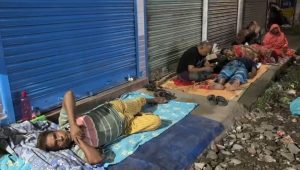
“We live hand to mouth,” she said.
“Every year we plead for justice, for medical care, for rehabilitation. Nothing changes.” Her voice trembled as she added, “Some days, I wonder why I didn’t die then. Dying once would have been easier than dying every day.”
In 2014, the High Court formed a committee to recommend financial compensation, Tk 1.45 million for permanent disabilities for each, Tk 750,000 for amputees, and lesser amounts for long-term care and psychological trauma.
Though some received partial payments from a fund supported by international buyers and the government, many say the aid stopped long ago was inadequate.
Md. Sujon, a local labor leader, said, “Rana Plaza was not an accident. It was clearly a murder. Twelve years of protest and still no justice, no proper compensation, no rehabilitation.”
He called for the collapse site to be turned into a rehabilitation center for survivors.
The rescue operation, which lasted over a month, became global news when Reshma, a female worker, was found alive 17 days after the collapse.
The disaster triggered global outrage and forced major brands to reassess their supply chain ethics. The Accord oversaw renovations in 92% of covered factories until its operations ended in 2020; the Alliance completed 90% of its work before closing in 2018.
Speaking to Times of Bangladesh, Bangladesh Knitwear Manufactures and Exporters Association President Mohammad Hatem acknowledged the gaps between demand and supply in terms of compensation package.
“If there are still unpaid survivors, that’s deeply regrettable,” he said.
“There was enough money. But allegations of fraudulent claims made identifying real victims very difficult.”
While factory safety has improved and Bangladesh now boasts the highest number of green factories in the world, the people who lived through the horror are still waiting. Waiting for justice.