Russian President Vladimir Putin has vowed never to bow to US pressure, even as he acknowledged that the latest American sanctions could inflict some economic losses on Moscow.
The measures come amid reports that China and India, Russia’s two largest energy customers, are reconsidering their oil imports from the country following Washington’s move, reports Guardian.
The US on Wednesday imposed sanctions on Russia’s top oil producers, Rosneft and Lukoil, along with nearly three dozen subsidiaries, in an effort to choke off the Kremlin’s oil revenues that fund its war in Ukraine.
The European Union separately agreed to a phased ban on Russian liquefied natural gas imports and added two Chinese oil refineries to its sanctions list.

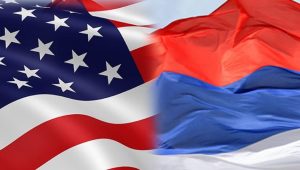
“These sanctions are an unfriendly act that achieves nothing to improve Russian-American ties,” Putin told journalists, describing the move as an attempt to pressure Russia that would ultimately fail.
“No self-respecting country acts under such pressure.” While he downplayed the overall impact, the Russian leader admitted that “some losses are expected” and warned of rising global energy prices.
Putin also addressed US President Donald Trump directly, questioning the motives behind the sanctions and hinting at the potential economic consequences for the United States.



He cautioned that any military strike on Russia using Tomahawk missiles could trigger a “very strong, if not overwhelming” response.
Early signs suggest that the sanctions are already influencing trade. India’s Reliance Industries, the nation’s largest buyer of Russian oil, indicated it might scale back imports to align with government guidance. Meanwhile, Chinese state-owned firms have temporarily suspended seaborne Russian crude purchases to avoid running afoul of the new restrictions.
The oil and gas sector represents roughly 20% of Russia’s GDP, and a significant drop in exports could severely strain the Kremlin’s finances while driving global oil prices higher. Until now, both China and India had largely resisted Western pressure, benefiting from discounted Russian crude.
The EU’s decision to sanction Liaoyang Petrochemical and Shandong Yulong Petrochemical marks the bloc’s most consequential listing of Chinese firms so far, prompting strong protests from Beijing. Chinese Foreign Ministry spokesperson Guo Jiakun condemned the move, stating that China did not create the Ukraine crisis and is not a party to it.
While Putin expressed willingness for dialogue with Trump, former Russian President Dmitry Medvedev called the sanctions an “act of war,” describing the US as an outright enemy.
Experts have noted that the sanctions may complicate Russia’s oil exports to Asia, forcing intermediaries to manage longer trade chains, which could raise costs.
Moscow has until the sanctions take full effect to adapt, likely employing its “shadow fleet” and other opaque trading channels that have sustained exports despite prior restrictions.
Analysts say Russia’s energy sector is capable of navigating these challenges, though the threat of being cut off from Western financial systems may discourage some international buyers.