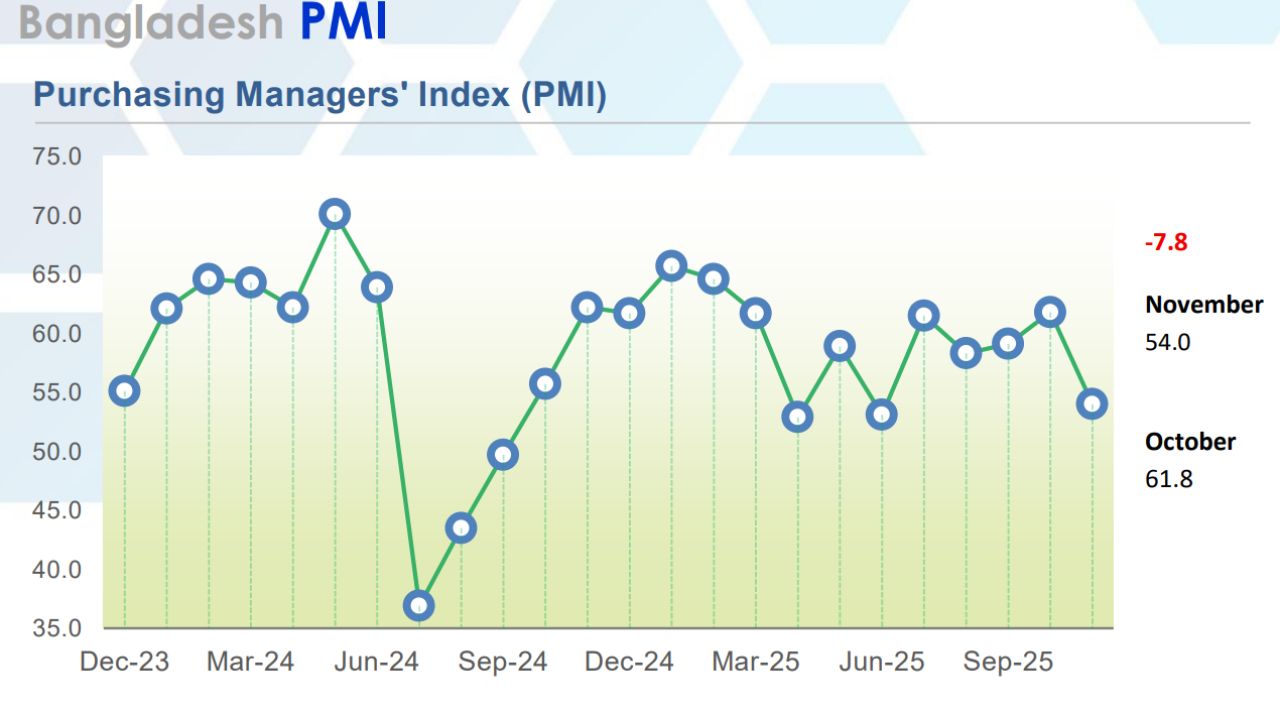



Bangladesh’s economic expansion weakened in November as the Purchasing Managers’ Index (PMI) fell to 54.0, marking a 7.8-point drop from October and the second-largest fall this year after April.
The latest report released by the Metropolitan Chamber of Commerce and Industry (MCCI) Dhaka and Policy Exchange Bangladesh (PEB) said all four key sectors recorded slower expansion despite remaining in positive territory.
The PMI is an early economic indicator that measures monthly changes in business conditions based on surveys of purchasing managers covering new orders, output, employment, input costs and supplier deliveries.
Readings above 50 indicate expansion, while those below 50 reflect contraction.
By tracking whether these components are improving or slowing, the PMI provides advance signals about economic momentum well before official data such as GDP or employment numbers are released.

It helps businesses, investors and policymakers understand shifts in demand, production trends and investment sentiment across major sectors of the economy.
Agriculture posted its third consecutive month of expansion at a slower pace.
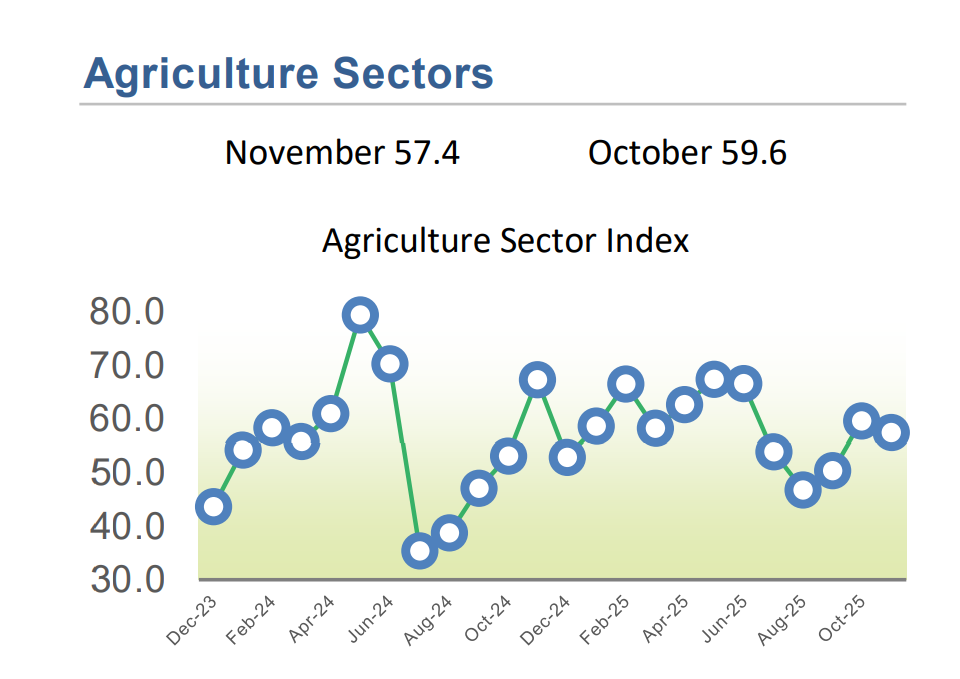
New business, employment and input costs expanded more slowly, while business activity recorded a faster expansion and order backlogs contracted at a slower rate.




Manufacturing logged its fifteenth straight month of expansion, although growth eased across most indicators.
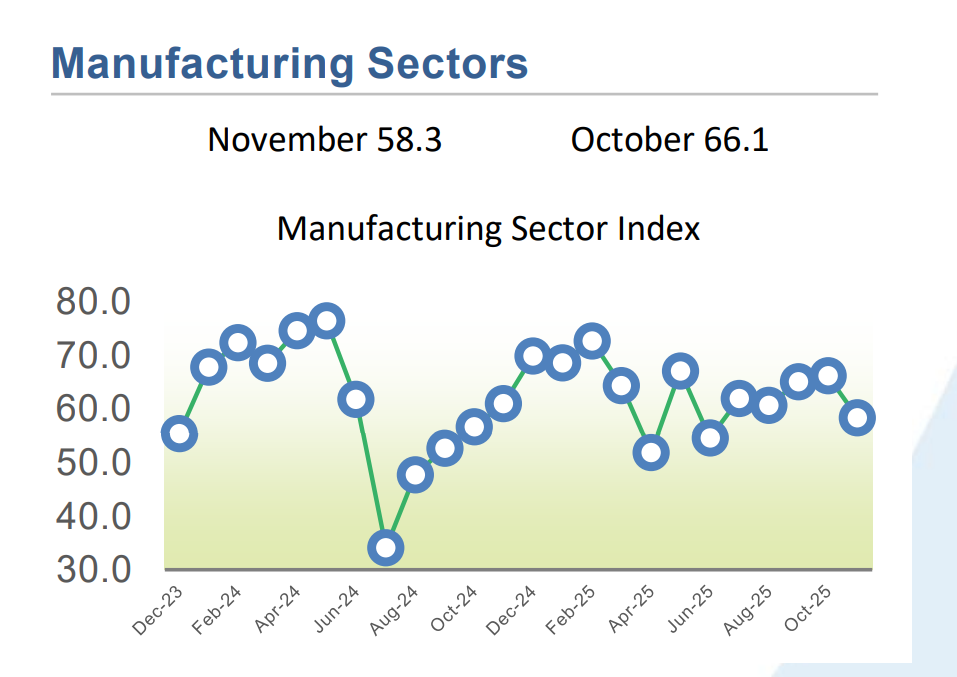
The sector saw expansion in new orders, new exports, factory output, input purchases, finished goods, imports, input prices, employment and supplier deliveries, while order backlogs contracted faster.
Construction recorded its third month of expansion, but momentum softened.
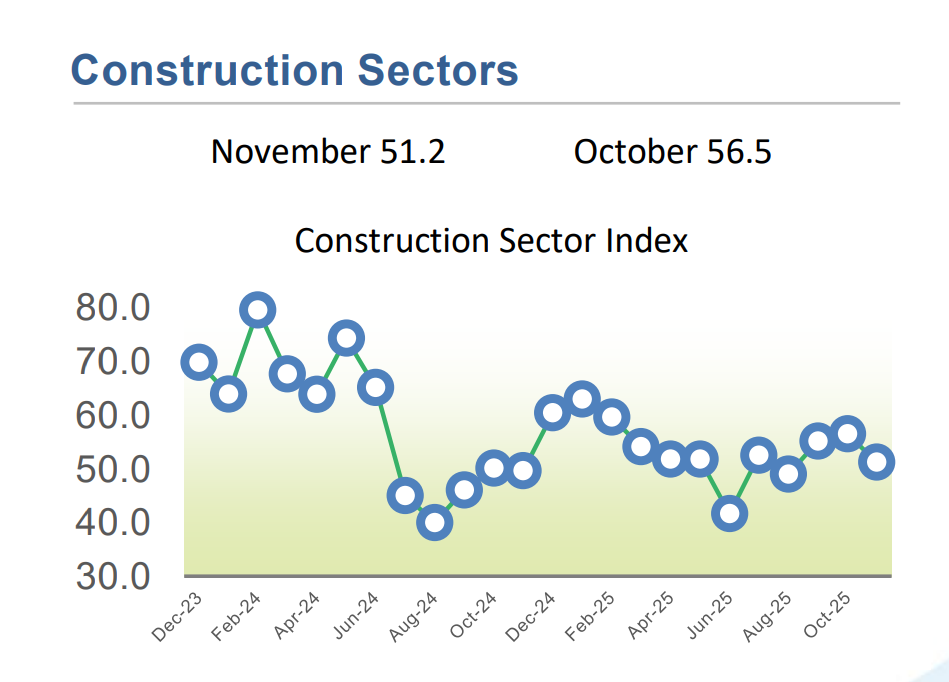
Activity, employment and input costs continued to expand, while new business slipped back into contraction and order backlogs contracted at a faster rate.
The services sector posted its fourteenth consecutive month of expansion but lost momentum.
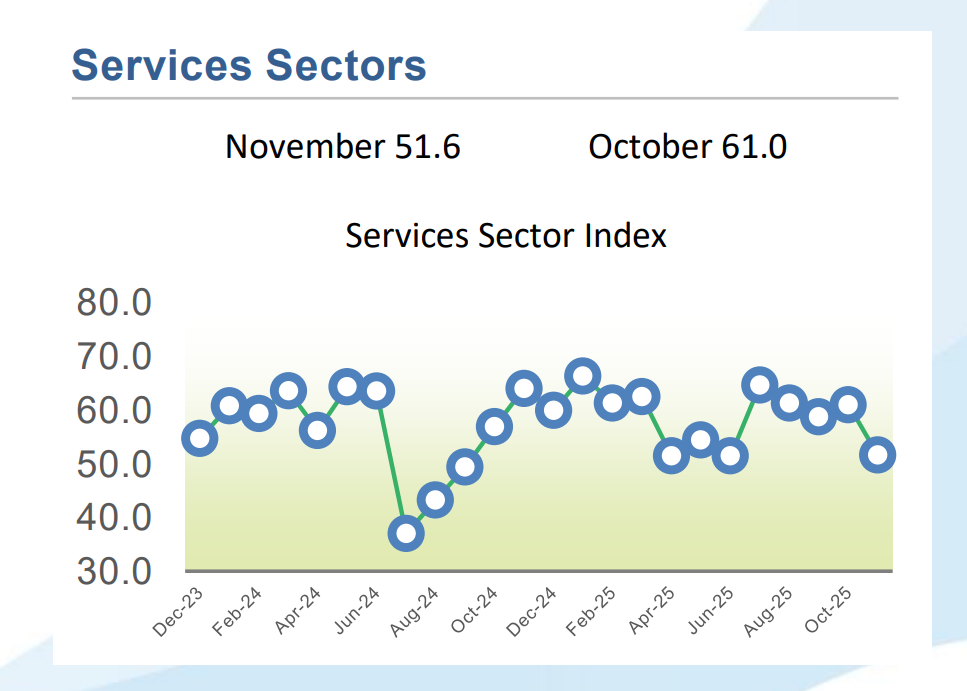
Employment and input costs expanded, while new business, business activity and order backlogs all reverted to contraction.
For the future business index, agriculture, construction and services posted faster expansion rates, while manufacturing slowed.
“Economic expansion is losing steam, driven by weak global demand and low export competitiveness hurting exports, waning domestic demand and businesses withholding investments ahead of the national elections,” said PEB Chairman and CEO M Masrur Reaz.
He said month-on-month export gains and continued agricultural harvests helped maintain an overall expansion track, adding that future business expectations improved across all sectors except manufacturing.