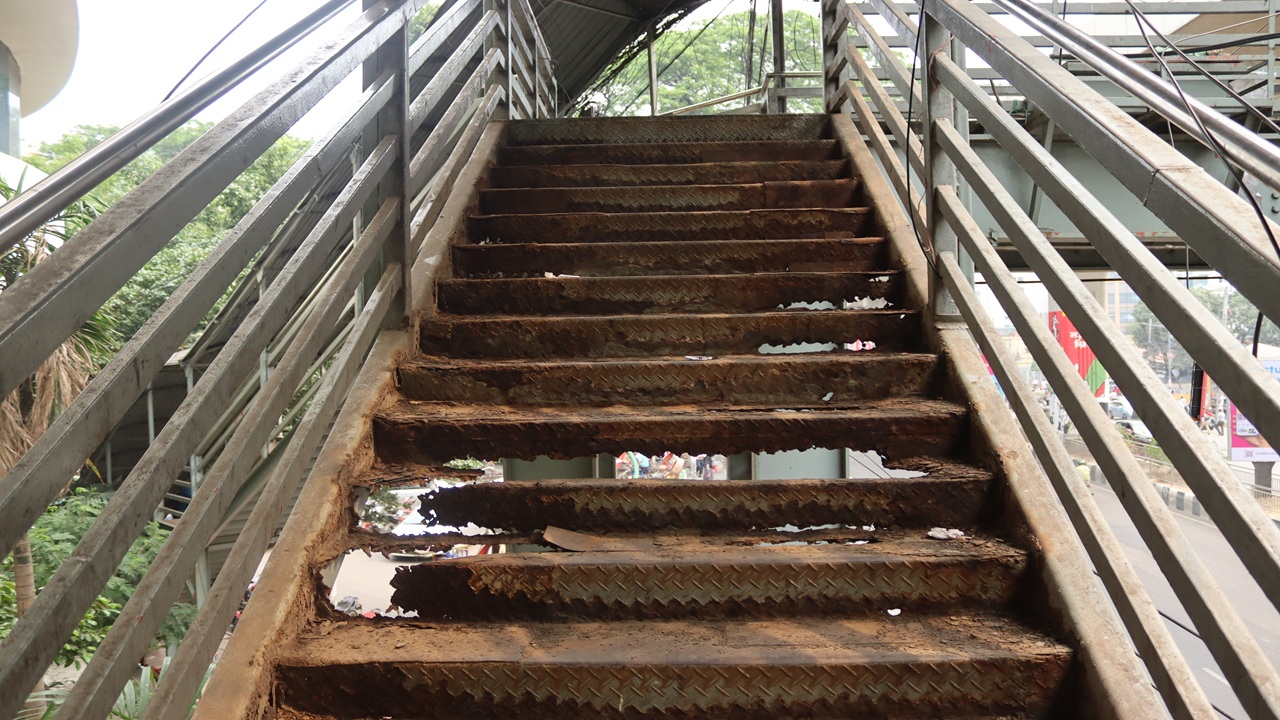
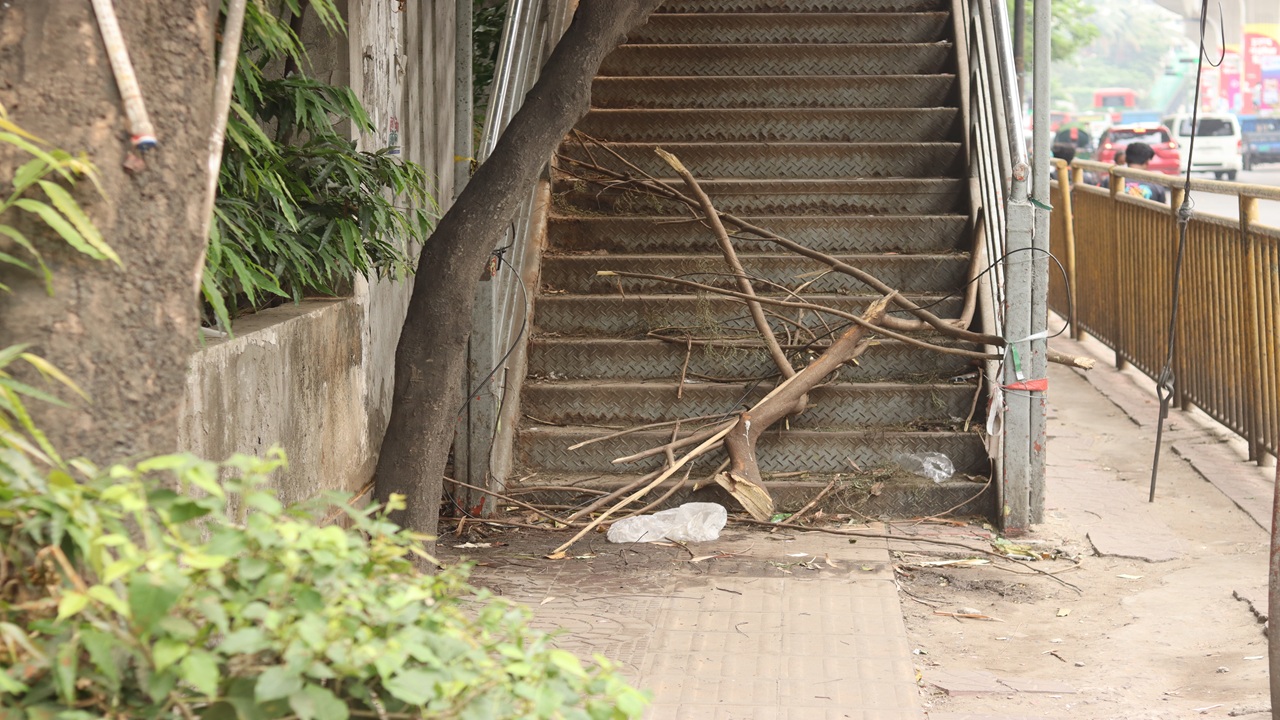
In busy Dhaka, crossing a road is often a challenge. At Paribagh, it has become even more dangerous. The foot-over bridge, once built to help people cross safely, is now badly damaged. Rusted stairs, broken steps and dangerous holes have turned it into a serious threat. Authorities have closed the bridge, but many people still risk their lives using it.
For regular commuters, the closure has created daily suffering. With no safe crossing above, many are forced to run across the busy road below. Buses, cars and motorcycles speed past constantly, leaving pedestrians exposed to possible tragedy every day.
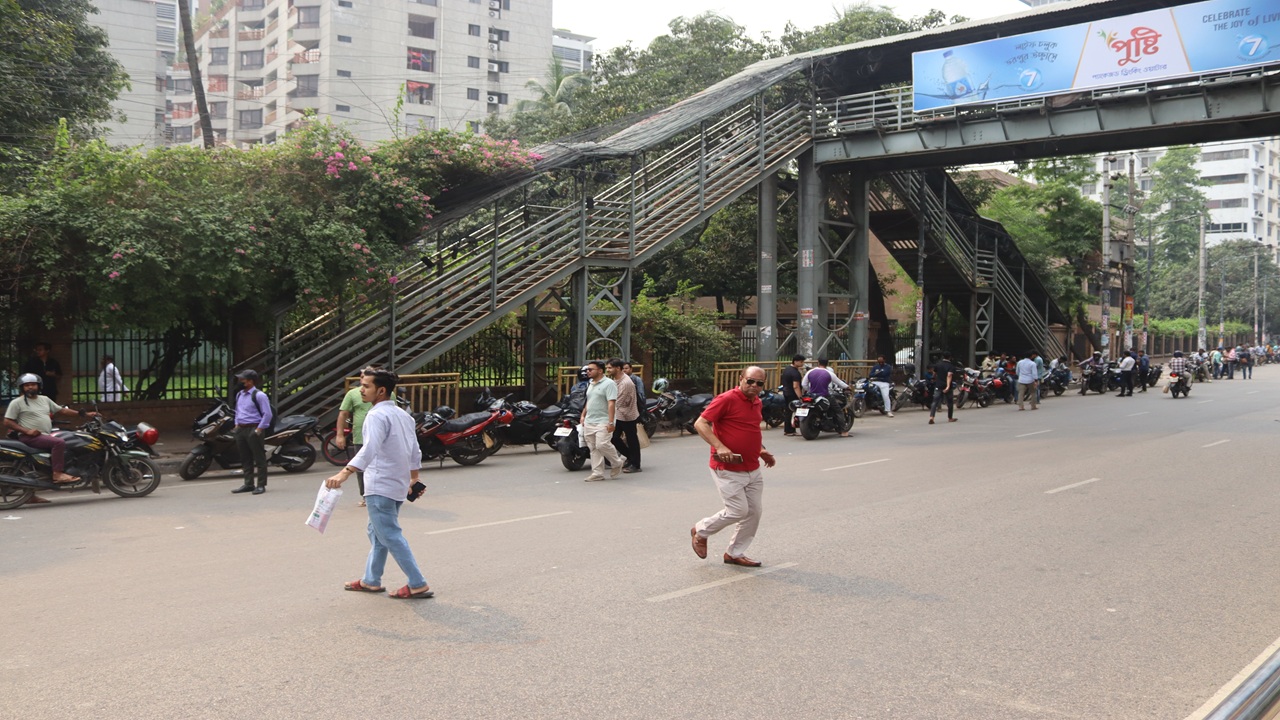
Some people do not even know the bridge is broken. They begin climbing the stairs, hoping to cross safely, only to discover halfway that parts of the bridge have collapsed. Then they must turn back, wasting time and facing frustration.

Others continue anyway. They step carefully over damaged sections, hold tightly to railings and depend on luck. For them, danger has become routine.



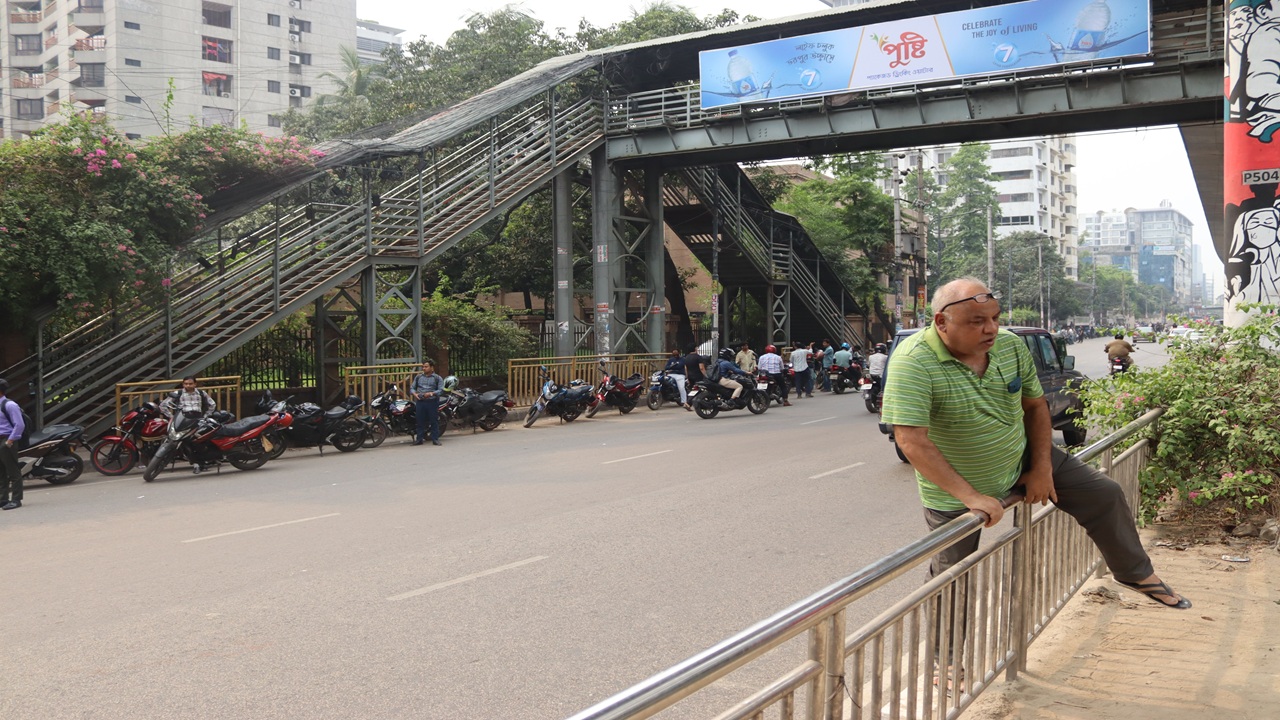
This situation reflects a larger problem in the city; public infrastructure is often ignored until it becomes hazardous. A foot-over bridge should offer protection, not fear. But at Paribagh, citizens are left choosing between a broken bridge and a deadly road.
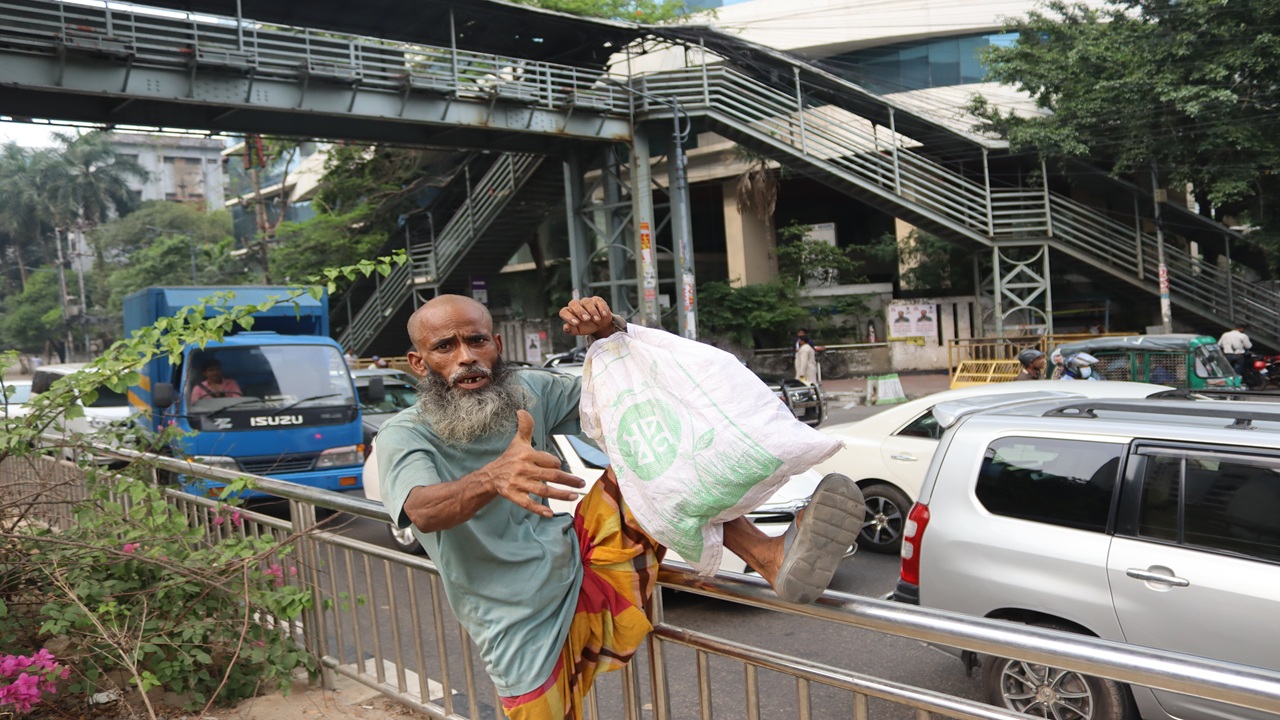
The suffering is not limited to inconvenience. Schoolchildren, office workers, elderly pedestrians and daily wage earners all face the same uncertainty. Every journey becomes a risk.
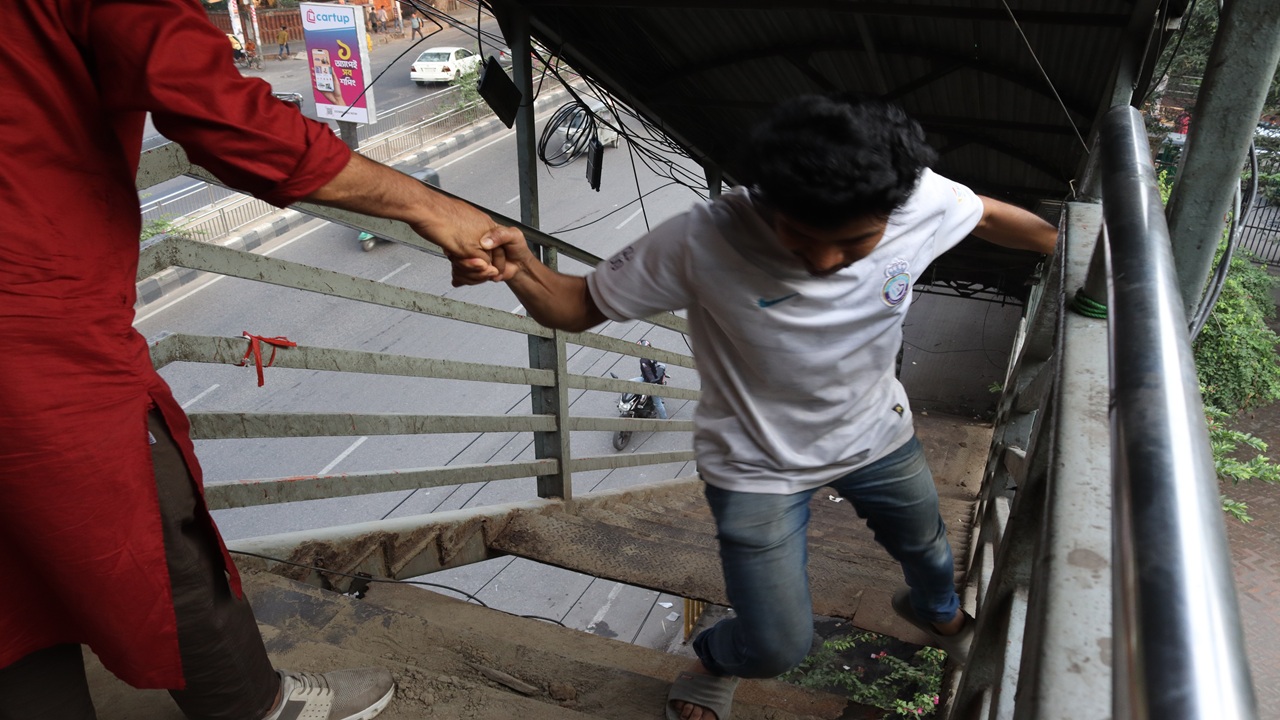
Paribagh’s damaged footbridge now stands as a symbol of neglect. Its rusted frame and broken steps show what happens when maintenance is delayed and public safety is overlooked.
Dhaka’s growth should not only be measured by new roads or large projects. True development means ensuring people can move safely through the city. For Paribagh’s pedestrians, the demand is simple: repair the bridge, restore safety and prevent disaster before lives are lost.