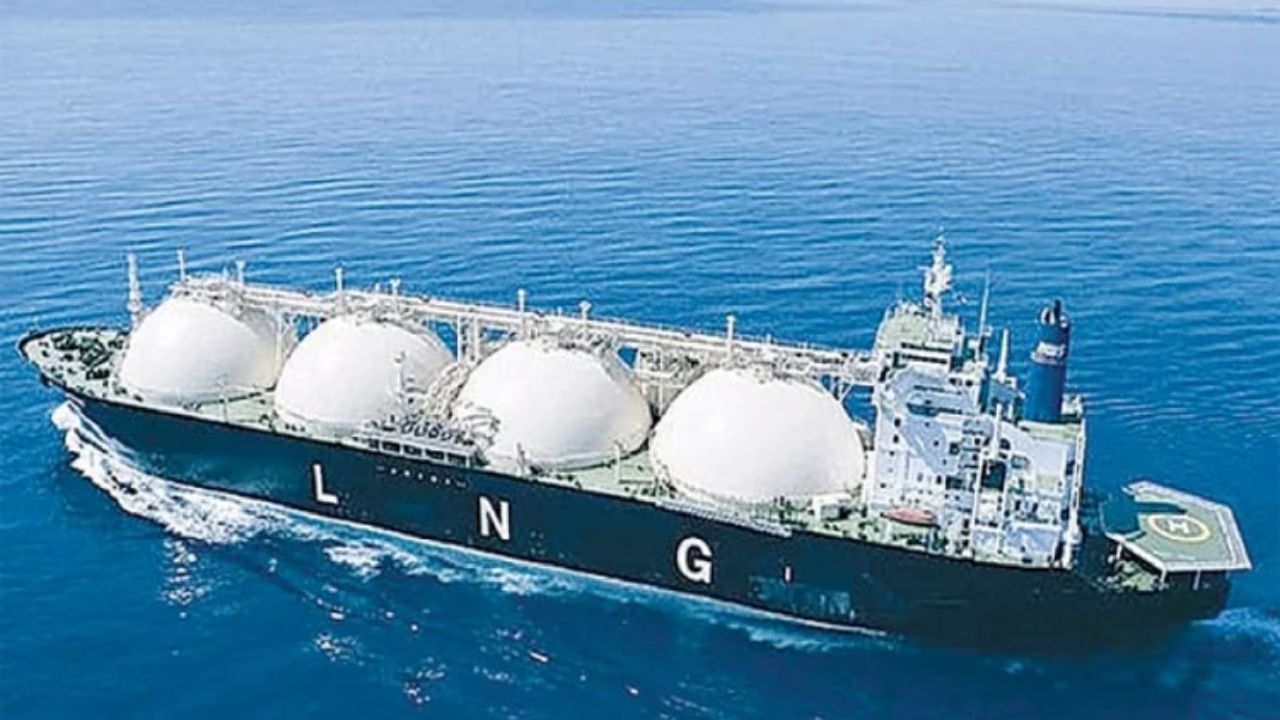



Oil prices are inching toward $100 a barrel despite a secret US-backed operation that has kept between 8 million and 9 million barrels of crude moving daily through the Strait of Hormuz.
Middle Eastern oil producers, backed by the US Navy, have developed a clandestine strategy to evade Iranian attacks: chartering tankers to switch off their AIS transponders and shuttle oil through the strait under cover of darkness with US warship escorts, reports CNN.
The tactic, developed over recent weeks, has fundamentally changed the economics of the region’s oil trade. Shipping trackers using transponder data would suggest traffic has collapsed. In reality, according to the US Department of Energy, about 80 per cent of traffic over the past two weeks has been “dark,” transiting around the coast of Oman as far from Iran as possible.

Tankers turn off their transponders before entering the strait, navigate with US naval escort, and reappear in the Gulf of Oman where they offload crude to waiting customer vessels. Ship-to-ship transfers are now routine, with cargoes moving on to China, Taiwan, South Korea and Vietnam.
The strategy shifts the burden of insurance risk and physical danger from commercial shippers to the US government and oil producers themselves. It is a dangerous gambit- the strait is just 23 miles wide, and two UAE ships were attacked this week- but it has bought time for a market in crisis.


The six-month conflict has disrupted a fifth of the world’s oil supply. US emergency reserves haven’t been this small since the early 1980s. Global oil inventories have been depleted by as much as 1.9 billion barrels.
Parallel moves have helped cushion the shock: Saudi Arabia has rerouted 5 million barrels per day through its East-West pipeline. Brazil, Guyana and Venezuela have added 1 million barrels per day of extra production. The US has added hundreds of thousands more and released 400 million barrels from its Strategic Petroleum Reserve.
But these measures have only contained the damage, not reversed it. President Donald Trump’s strategy has shifted from jawboning prices lower to strangling Iran through a prolonged naval blockade of its ports, keeping oil prices uncomfortably high for consumers, boosting inflation and shrinking disposable income.
With the two countries locked in an intractable quagmire, the market has demonstrated remarkable resilience in partially working around the conflict. But without a diplomatic solution, this workaround can only buy so much time.