For over a century, the Nobel Prize has stood as the world’s highest symbol of human achievement. It celebrates the ideas that reshape science, deepen our understanding of life and reaffirm faith in peace and art.
Born from Alfred Nobel’s vision to reward those who have conferred the greatest benefit to humankind. The prizes continue to remind us that curiosity, courage and compassion are the true engines of progress.
This year’s laureates, from quantum pioneers to democratic reformers, highlight the power of intellect paired with conscience innovation that not only changes our world but also questions how we choose to live in it.
Physics: Bringing quantum into our hands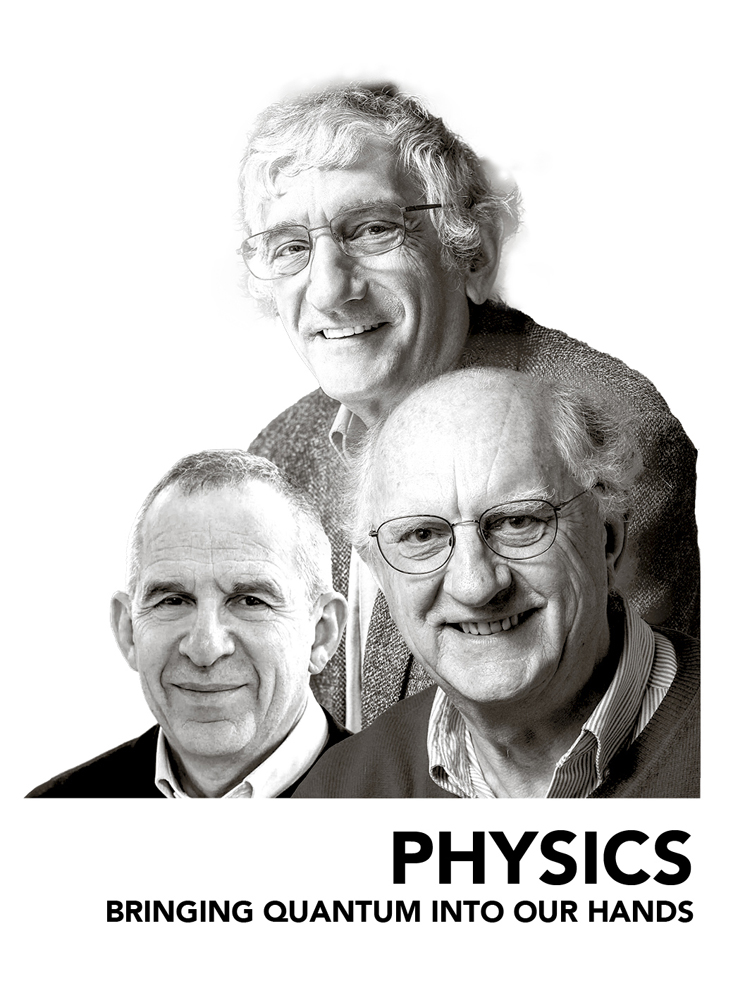
This year’s Nobel Prize in Physics goes to John Clarke, Michel H. Devoret and John M. Martinis, for the discovery of macroscopic quantum mechanical tunnelling and energy quantisation in an electric circuit.
In essence, they brought quantum strangeness into human-made devices. Their findings laid the foundation for quantum computers, sensors and technologies that could redefine computing and communication.
They’ve shown that the bizarre rules of the quantum world aren’t distant mysteries anymore. They’re part of the circuits that might soon power our everyday lives.

Chemistry: Building worlds within molecules
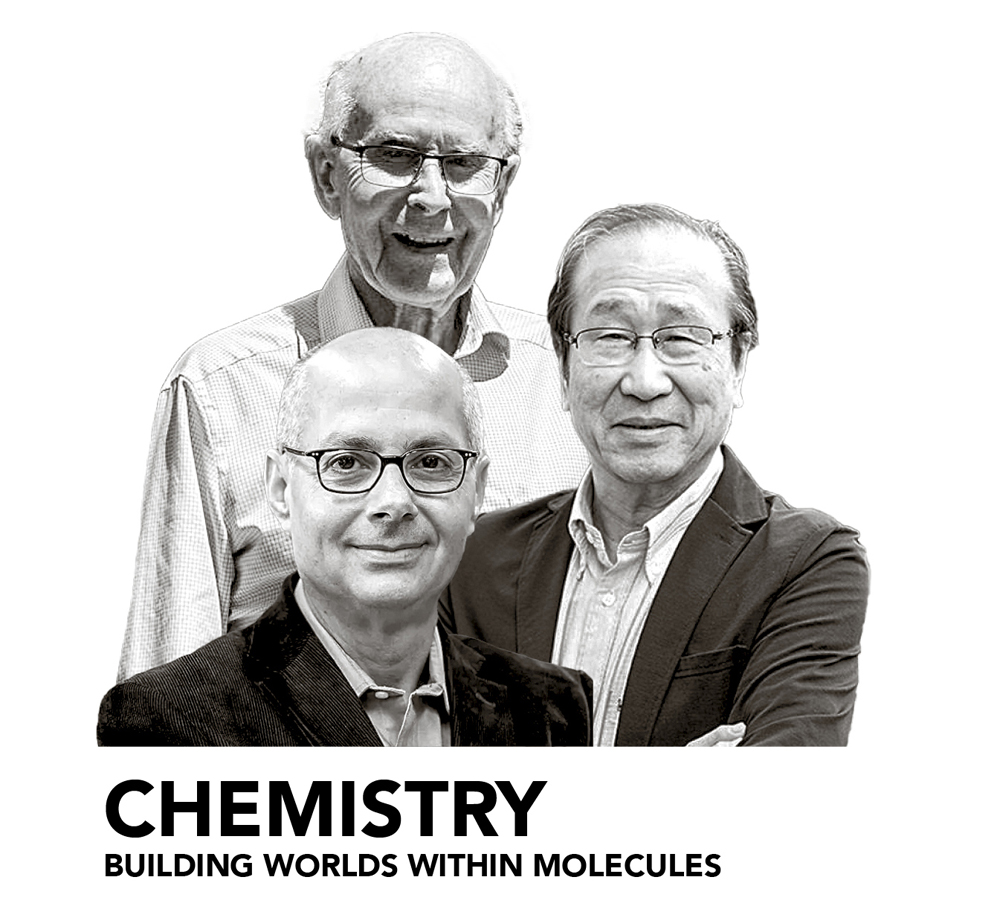
In Chemistry, the prize is shared by Susumu Kitagawa, Richard Robson and Omar Yaghi, for the development of metal-organic frameworks (MOFs). MOFs are intricate molecular structures with tiny pores that can trap gases, purify air or even harvest water from dry desert air.
Such discoveries could change how we store energy and confront climate change. In many ways, this prize honours chemistry’s quiet power, its ability to tackle the planet’s biggest problems, molecule by molecule.
Medicine: Taming the immune system
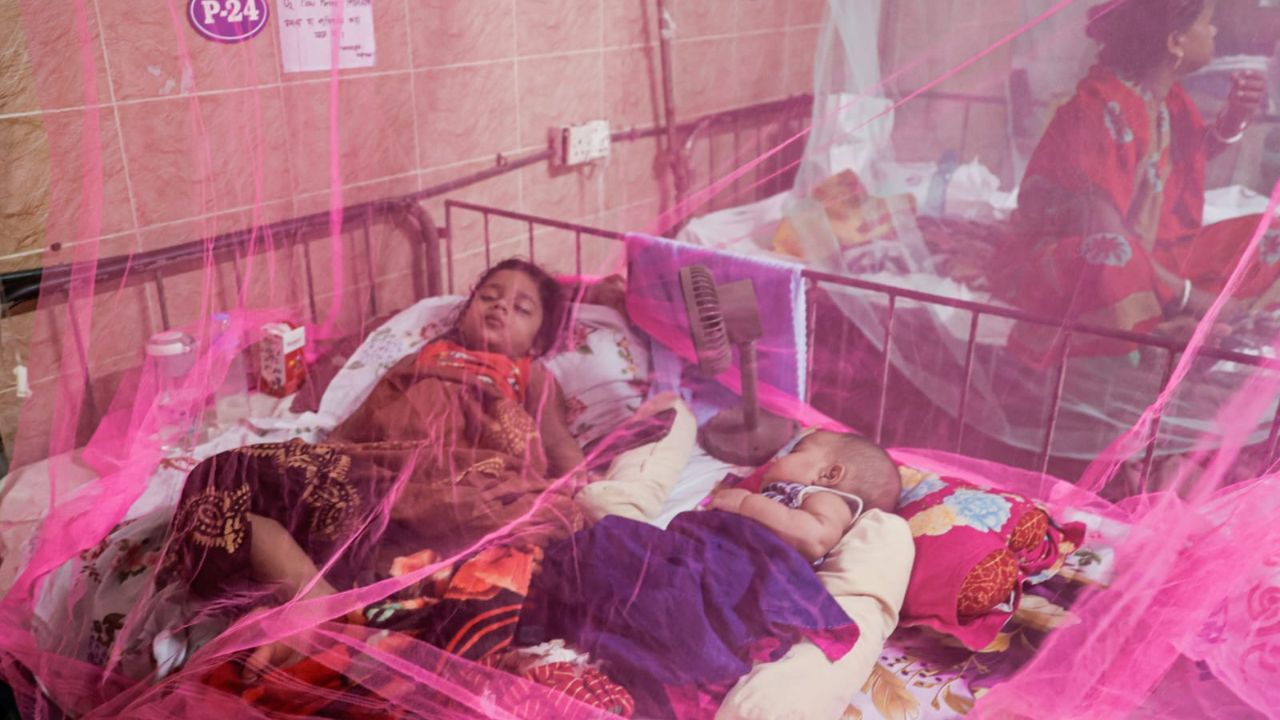


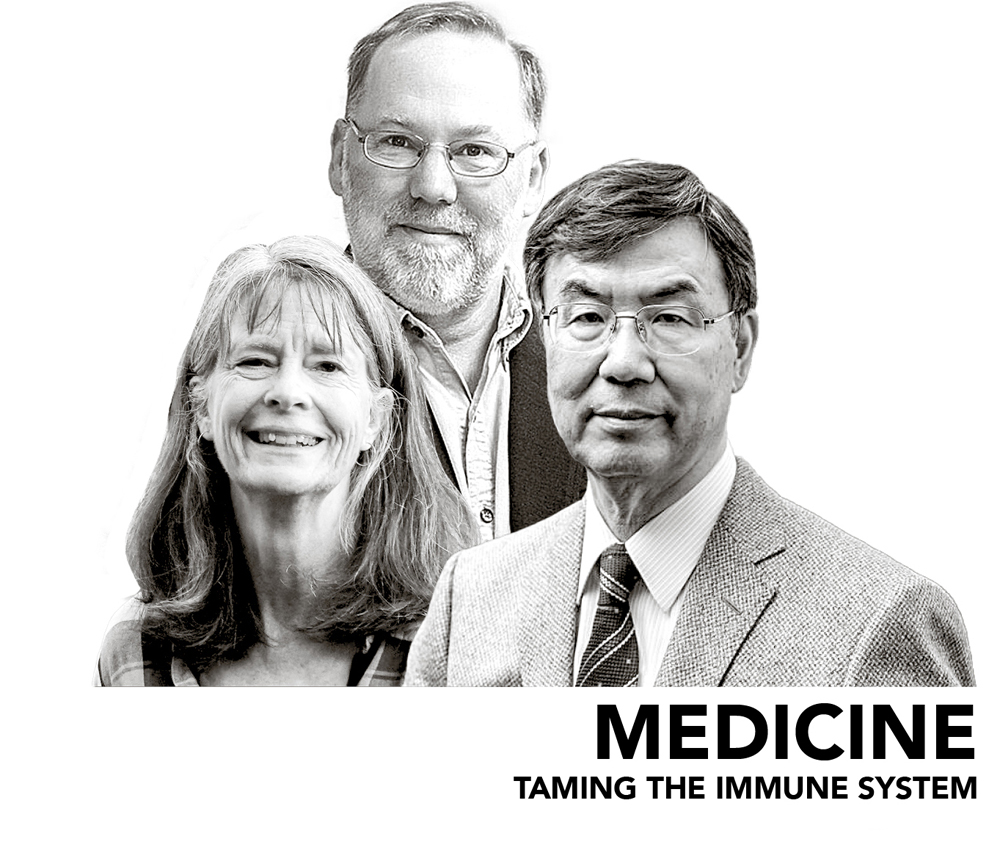
The 2025 Physiology or Medicine Prize goes to Mary E. Brunkow, Fred Ramsdell and Shimon Sakaguchi for their discoveries concerning peripheral immune tolerance.
This is about how our bodies distinguish between friends and foes. Their research revealed how regulatory T cells prevent the immune system from attacking its own tissues. The discovery has opened new pathways in treating autoimmune diseases, improving transplant success and fine-tuning cancer immunotherapy.
In simple terms, they found the body’s internal peacekeepers, the cells that remind our immune soldiers when to lower their guns.
Literature: The power of vision in dark times
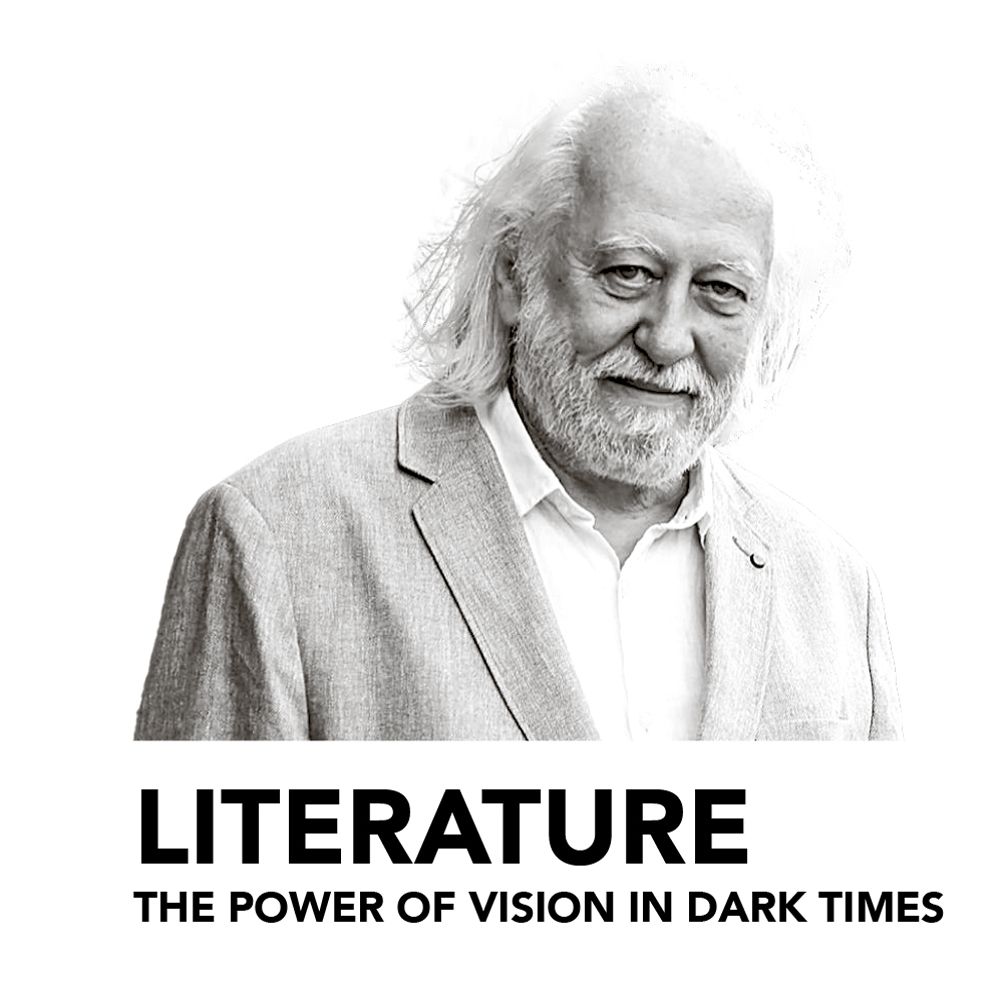
Hungarian author László Krasznahorkai receives the Literature Prize for his visionary oeuvre that, amid apocalyptic terror, reaffirms the power of art. His long, hypnotic sentences and bleakly beautiful worlds reflect chaos and endurance in equal measure.
At a time when the world feels fractured, Krasznahorkai’s writing insists that art still matters, that even in despair, language can illuminate our shared humanity.
In turbulent times, his voice is a reminder: literature holds power- not just to mirror despair, but to resist it.
Peace: Steering democracy from the brink
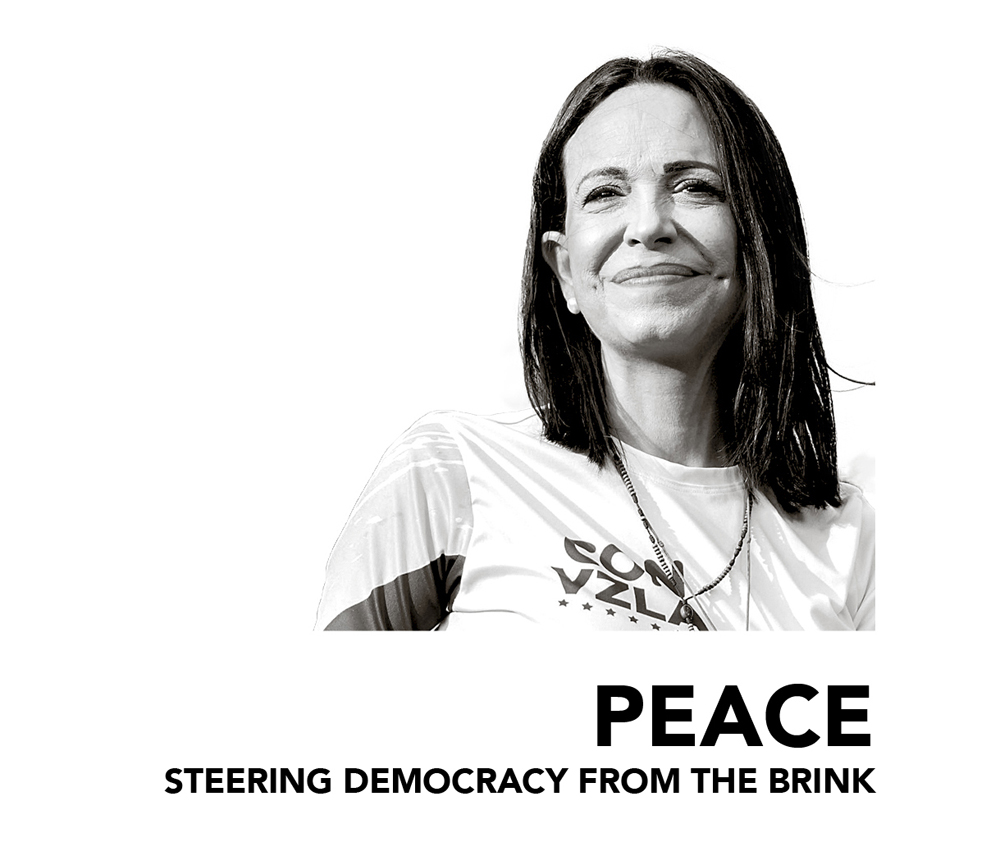
This year’s Peace Prize shines on María Corina Machado, who has spent years championing democracy and human rights in Venezuela.
In a country grappling with political strife, fractured opposition and authoritarian pressures, Machado has emerged as a symbol of resilience and courage. Her leadership in Venezuela’s pro-democracy movement seeks to shift politics away from violence and toward ballots. The Nobel committee frames it as a choice: “ballots over bullets.”
Economic Sciences: The power of renewal
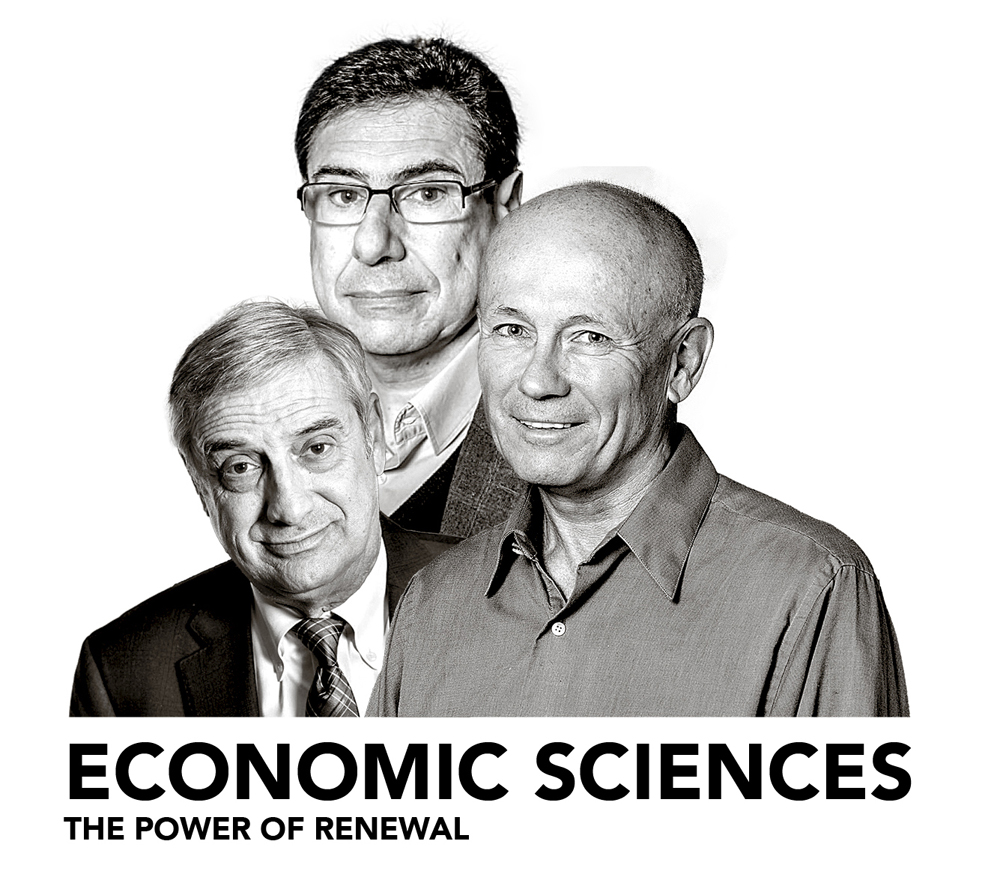
The Prize in Economic Sciences goes to Joel Mokyr, Philippe Aghion and Peter Howitt for explaining how innovation and creative destruction fuel sustained economic growth.
Their theories describe how societies prosper by encouraging invention, even if it means dismantling old systems to make way for new ones. In an age of automation and artificial intelligence, their message rings clear: progress thrives on reinvention.