Long after the world learned to read the early signs of an outbreak, a familiar unease returned to Asia’s public health systems. The confirmation of two Nipah virus cases in India was quickly declared “contained.” Yet the response told a deeper story of airports activating screenings, governments sharpening surveillance, and a region wary of a virus that has never needed large numbers to cause alarm.
Unlike respiratory viruses that spread easily through casual contact, Nipah primarily jumps from infected animals, especially fruit bats and pigs, to humans. Occasionally, it also transmits between people through close contact. It is not as contagious as influenza or COVID-19, but its severity is stark. The World Health Organization (WHO) estimates a fatality rate between 40 % and 75 %, and there is no approved vaccine or specific treatment.
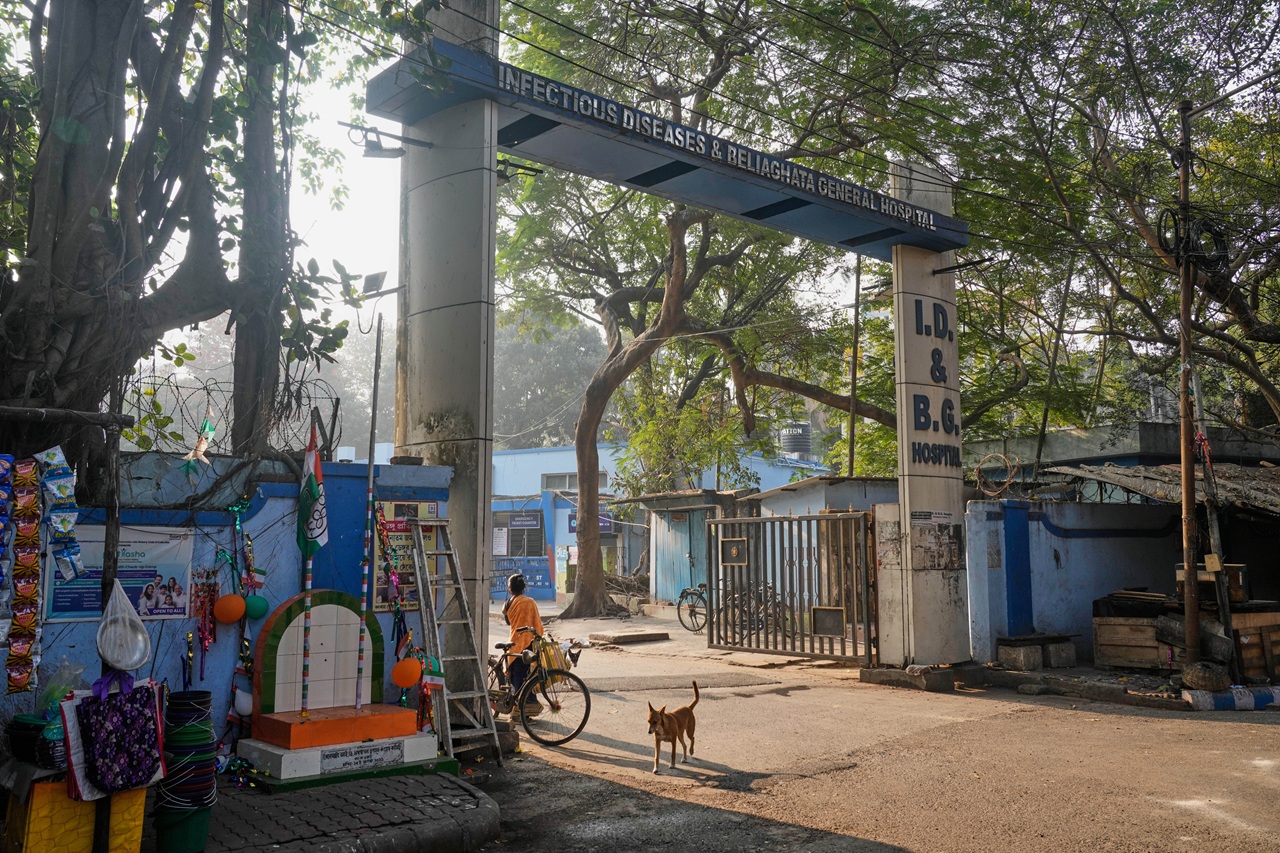
Health officials in New Delhi stressed that the situation was contained and under control. India’s Ministry of Health said that enhanced surveillance, laboratory testing, and meticulous tracing of contacts had been undertaken since December, and all 196 identified contacts tested negative for the virus.

The ministry also cautioned against circulating speculative figures in the media, asserting that the confirmed case count remained at two.
Both infected individuals were healthcare workers, underscoring the occupational risk front-line staff face during outbreaks. While one patient’s recovery details were not fully disclosed, the authorities were on robust containment rather than expansion of cases.




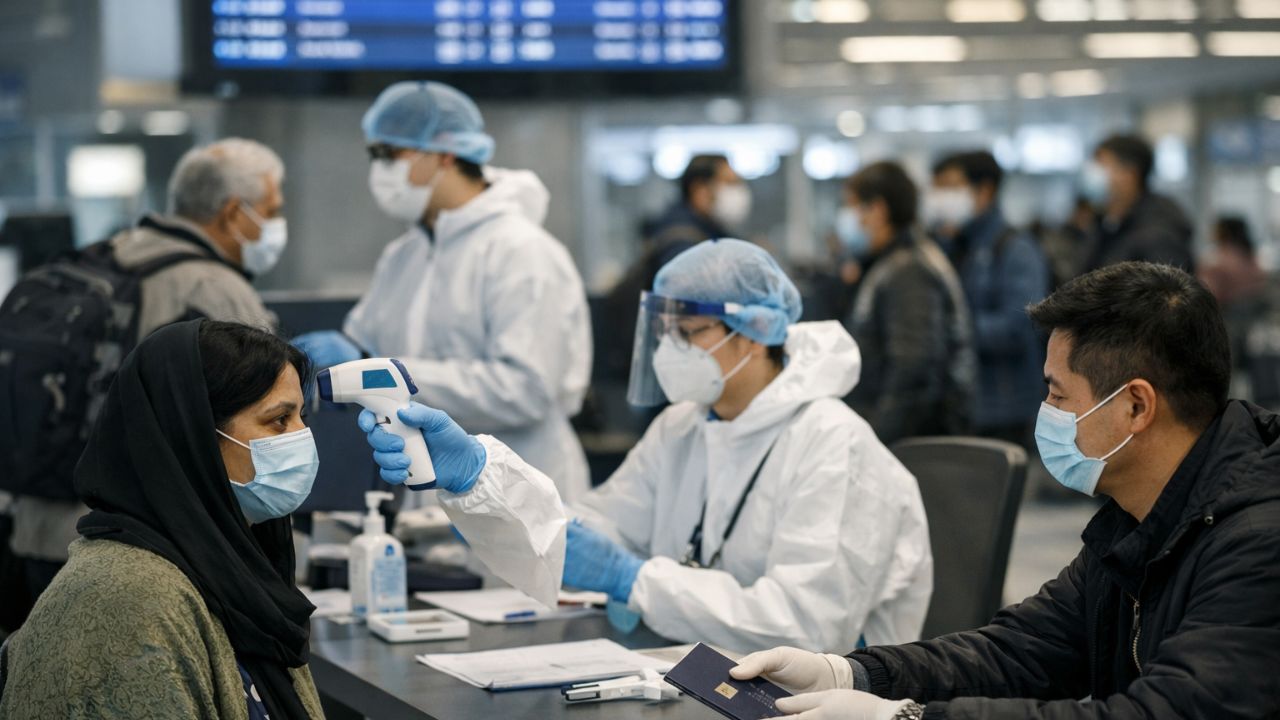
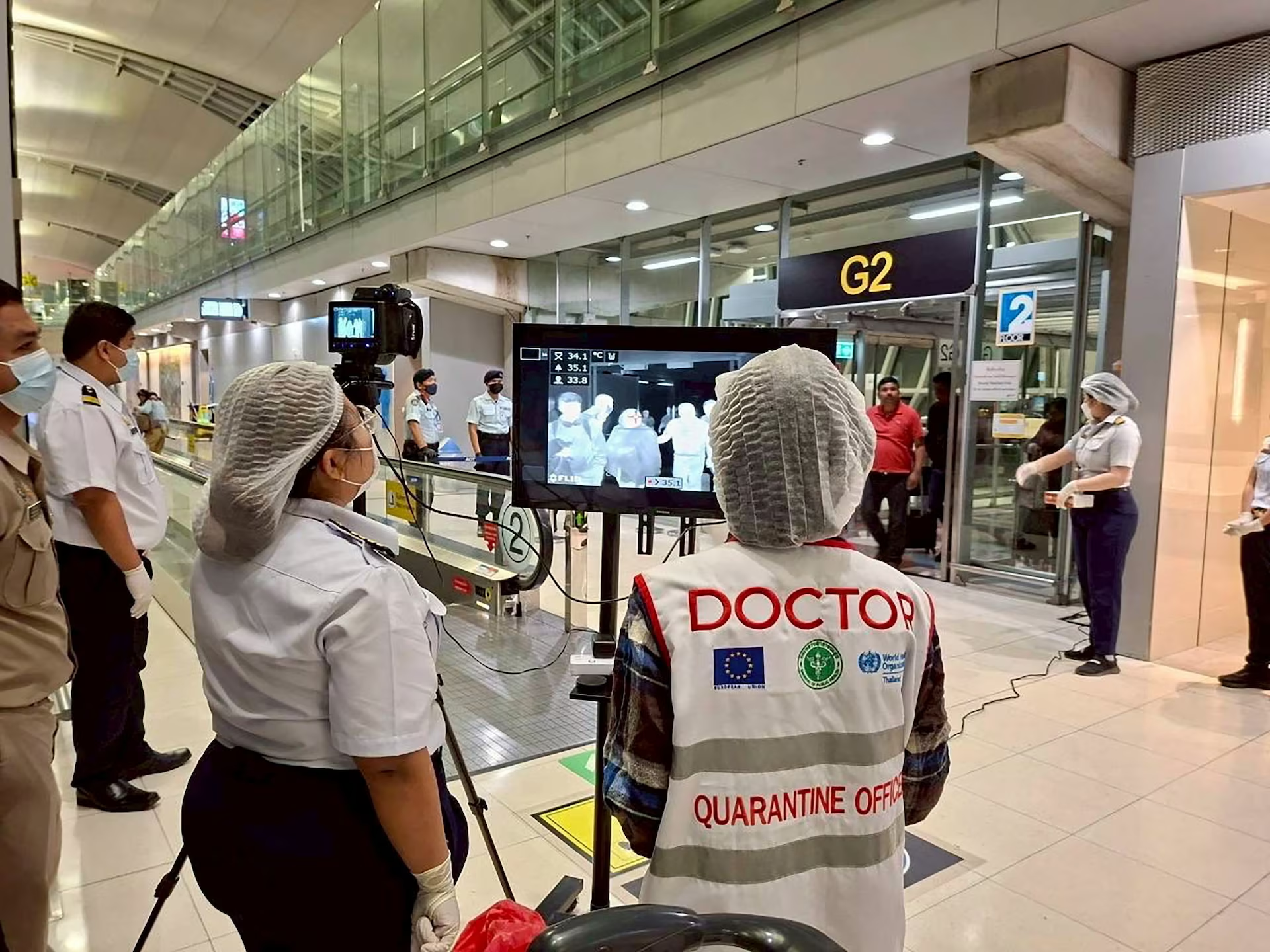
Beyond India’s borders, the news triggered heightened vigilance. Airports in Thailand, Singapore, Hong Kong and Malaysia instituted tighter health screenings for arriving passengers, including temperature checks, health declarations, and designated parking areas for flights from at-risk regions. Even China and Nepal enhanced surveillance and monitoring protocols.
Public health experts describe this response as a reflection of lessons drawn from the COVID-19 pandemic. Rapid detection, aggressive tracing, and international cooperation can act as bulwarks against potential escalation. The Nipah virus remains a priority pathogen precisely because of its high lethality and the absence of vaccines. Its limited person-to-person transmission means that small outbreaks can often be contained with decisive public-health action.
Earlier Nipah outbreaks offer a sobering frame for the present moment. West Bengal has faced the virus before in 2001 and again in 2007, while in recent years, southern Kerala has emerged as the country’s most frequent hotspot. The memory remains sharpest there: a 2018 outbreak killed at least 17 people, exposing how quickly the virus can overwhelm communities when detection comes late.
This time, the response has been faster, more coordinated and outward-looking, with neighbouring countries watching closely and acting early. Whether that vigilance holds will determine not just how this episode ends, but how prepared the region truly is for the next quiet arrival of a virus that history has taught it never to ignore.