Bangladesh’s diplomatic activities have intensified recently as the government steps up engagement with major powers and key development partners in a bid to advance its foreign policy priorities and strengthen international partnerships.
The flurry of diplomatic activity began before 2 June, when Foreign Minister Khalilur Rahman was elected president of the 81st session of the United Nations General Assembly in New York, marking a major diplomatic achievement for Bangladesh.
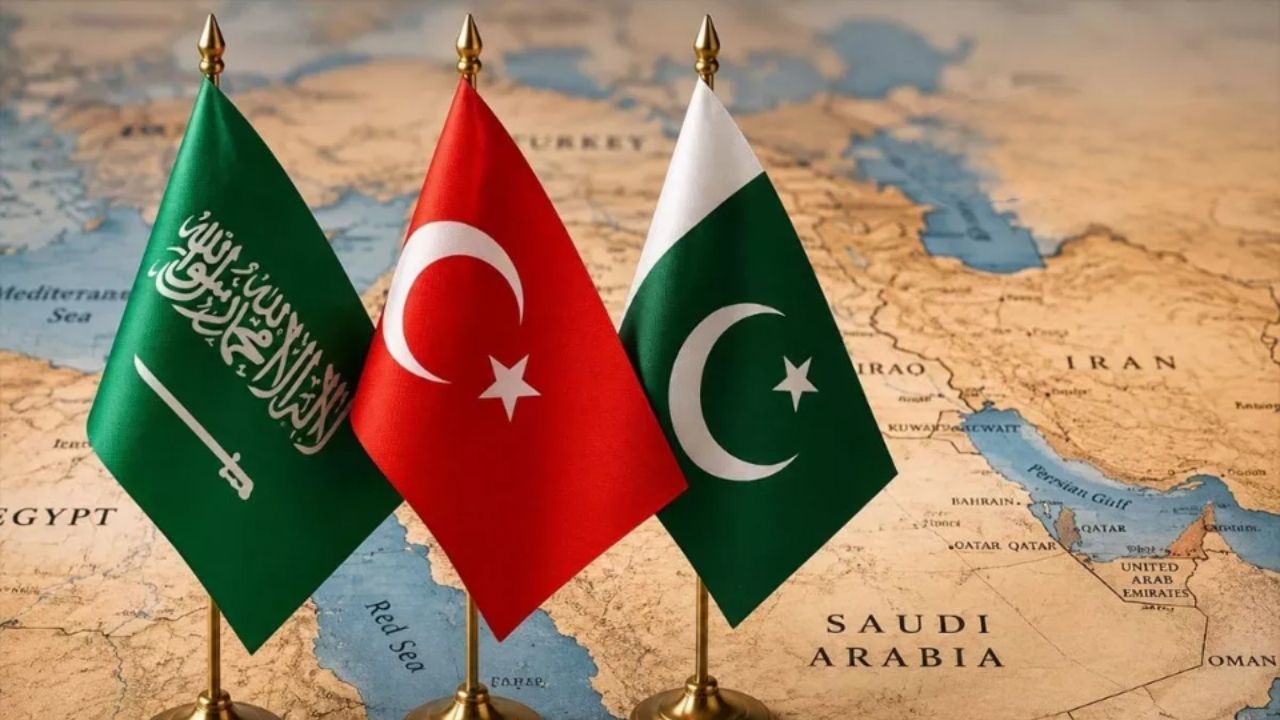
Upon his return to Dhaka two days later, Khalilur Rahman received Turkish Foreign Minister Hakan Fidan, who paid an official visit to Bangladesh.
The two leaders held extensive bilateral talks covering trade, investment, defence cooperation, connectivity and regional issues, reflecting the growing strategic importance of relations between Dhaka and Ankara.

The foreign minister subsequently travelled to Moscow at the invitation of Russian Foreign Minister Sergei Lavrov. During the visit, he held a series of meetings with senior Russian officials, discussing bilateral cooperation, trade, energy, food security and global developments.
The visit was particularly significant as it marked the first high-level political engagement between Bangladesh and Russia since the BNP-led government assumed office earlier this year.
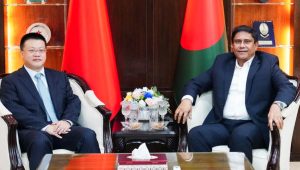
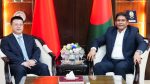
Meanwhile, preparations are underway for Prime Minister Tarique Rahman’s upcoming visit to China from 23 to 26 June. As part of those preparations, Foreign Secretary Asad Alam Siam is now in Beijing to finalise arrangements and discuss key agenda items with Chinese officials.



Just before the China visit, the prime minister is also scheduled to visit Malaysia on 21–22 June, underscoring Dhaka’s efforts to strengthen ties across Asia and diversify economic and strategic partnerships.
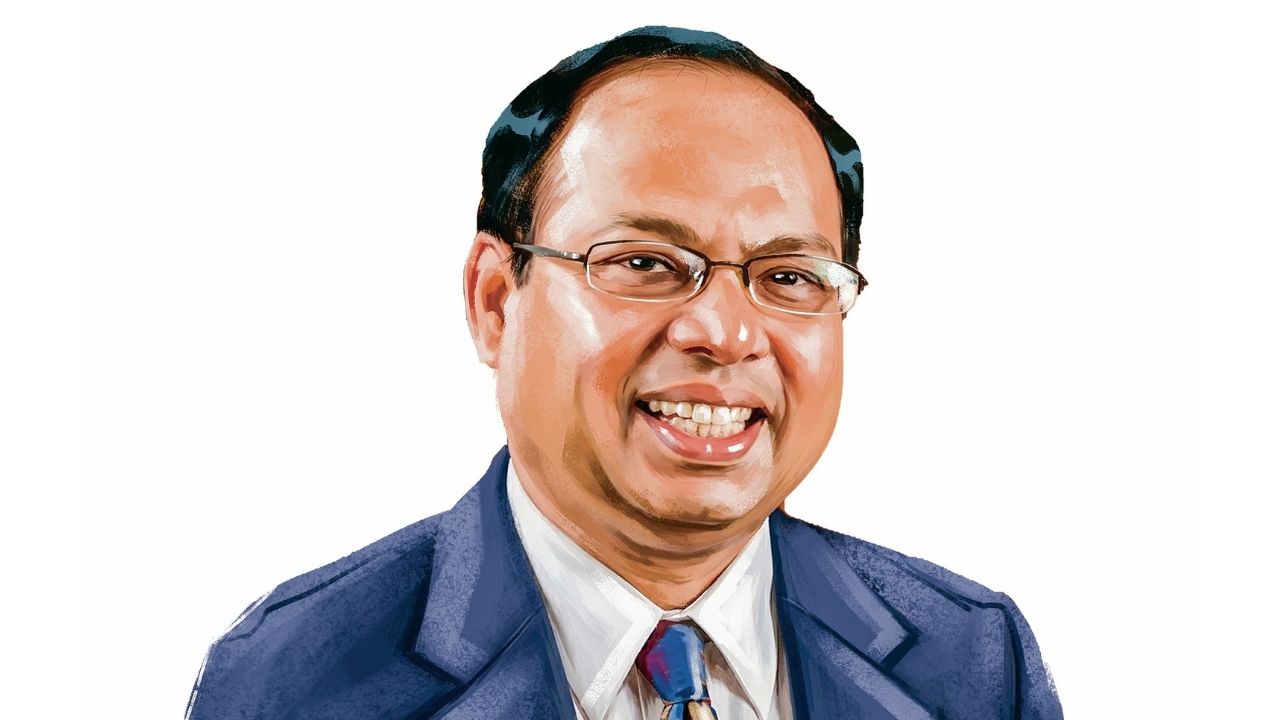
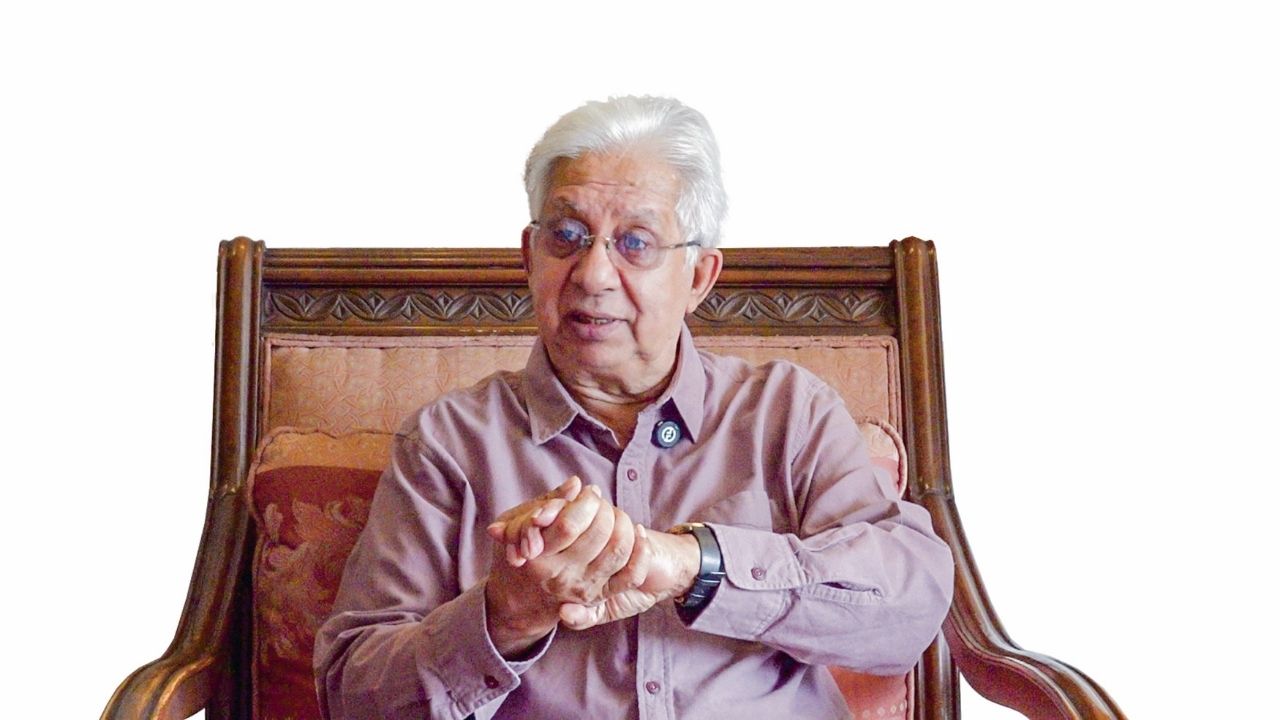
Former ambassador Mahbub Hassan Saleh said the increased diplomatic engagement was both natural and necessary for a newly elected government.
“It is normal and pragmatic for a new government to engage with major powers and development partners,” he said.
According to Saleh, it is important for the government to engage with the permanent members of the UN Security Council — the United States, China, Russia, the United Kingdom and France — as well as regional powers such as India and other key partners, including Japan, Türkiye, Germany and South Korea.
“Through this process, Bangladesh and its partners can identify common ground, strengthen existing cooperation and explore new avenues for collaboration,” he said.
Saleh noted that the government’s approach reflects a pragmatic foreign policy aimed at consolidating relations with long-standing partners while simultaneously expanding engagement with old and new friends and emerging centres of influence.
Since assuming office, Khalilur Rahman has undertaken visits to New Delhi, Beijing, Ankara, Brussels and Washington, among other destinations, as part of a broader effort to explain the new government’s policies, priorities and vision to the international community.
Diplomats say the recent surge in high-level exchanges highlights Dhaka’s determination to maintain balanced relations with all major powers while pursuing economic development, investment and strategic cooperation in an increasingly competitive global environment.