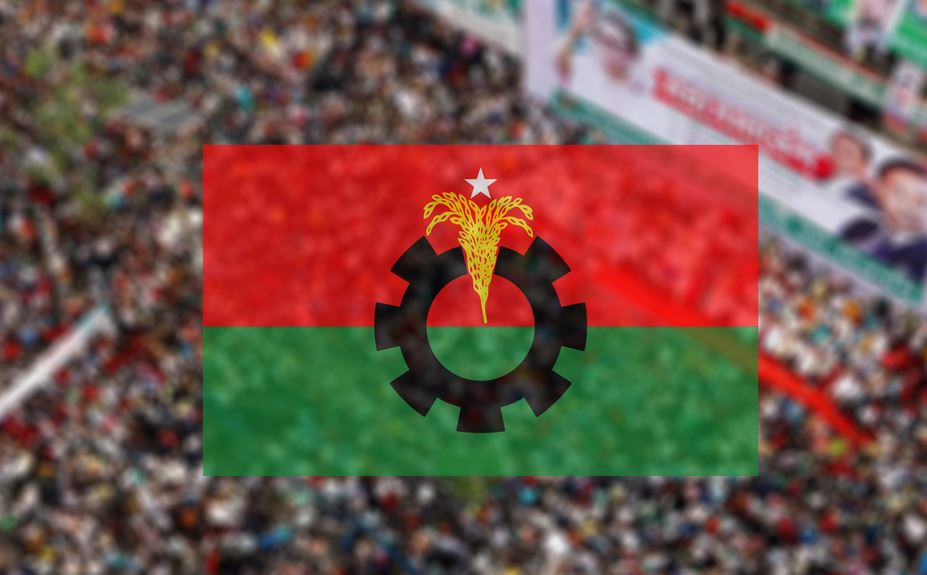

Ahead of the general election, Bangladesh Nationalists Party (BNP) has declared its candidates (and announced the names) for 300 constituency seats, who will contest in the 13th Parliamentary election. We all expect that with all parties’ participation, the election will be held in a free and impartial manner under the Interim Government led by Dr. Muhammad Yunus, in February 2026. Though tensions have been mounting across the country, with a series of incidents unsettling the pre-poll atmosphere, many observed that the declaration of BNP’s tentative candidates has added fuel to the current situation by escalating intra party feud and clashes, and bringing new dimension to the ongoing issues.
In an escalating factional clash within BNP, activists are killed and injured in violent confrontations between the nominees and those denied tickets across several districts in the country. BNP’s high ups should mitigate the difference between party’s leaders immediately. Otherwise, before the election BNP would face voters’ dismay owing to the selection of wrong candidates that to be a challenge before the leadership. After July–August mass upsurge, thoughts of general people are shifting from diehard support to a political party to a reasoning leadership – they are thinking who could serve the nation better shunning chauvinism, extortion and fascism that they had experienced in earlier regimes.
After having weathered a difficult 15 years out of power, it is natural that there would be chaos in a big party like BNP as it goes about reorganising its house with an eye on the next election. Before finalising the party’s election strategy and the procedure of selecting contesting candidates, the party leadership should keep in mind the root causes of their success and failures in the previous national elections.

In the 1991 elections, BNP won 140 seats and made a coalition with Jamaat-e-Islami to form the government. The 6th parliamentary elections were held on February 15, 1996, in the face of intense protests and boycotts by opposition parties, BNP got 250 seats in the Parliament. But, this time the BNP led government was very fragile, abdicated the power after passing the Caretaker Government system in the Parliament. In terms of the number of seats, the most intense fight in the history of Bangladesh’s elections took place in the 7th parliamentary elections held in 1996, the Awami League won 146 seats, formed the government with the support of the Jatiya Party and the BNP won 116 seats became the Opposition party.
The 8th National Parliament Election is an important and eventful chapter in the politics of Bangladesh. BNP and Jamaat-e-Islami participated in this election in an alliance. BNP won 193 seats in the election and formed the government with the mandate of majority seats. The ninth national parliament election the Awami League bagged a landslide victory by winning 230 seats and the BNP won only 30 seats. The 10th, 11th and the 12th parliamentary elections were no doubt, tainted by huge controversial issues and were not accepted to all.




In view of the above the party’s ups and downs, by analysing the root causes BNP should formulate election strategy aligning the current context- public sentiment and expectations. Earlier, in our country state power became a property of political dynasties who came to power tantalising the people in the name of their predecessors’ charismatic role and fame but this time such political dogmatic rhetoric may not be effective. The party who understands today’s reality, people’ perception & sentiment and accordingly recalibrates its election strategy, would get an extra edge in the election. If the previous patterns hold, the BNP may find a little traction with people’s expectations.
We believe, this time BNP has a huge opportunity to sweep over the state power while the opportunity is mounted for Bangladesh Jamaat Islami as opposition party in the Parliament. If BNP fails to show its prudency in election strategy and the selection of right candidates, the party leadership will be responsible for reversing their fate.
We noticed the bitter truth came out from the results of the last student union elections in the academic institutions, reflecting a deeper shift in students’ sentiment. Many wonder why students rejected both left- and right-wing parties. The answer lies in the mindset of Generation Z. To them, the Awami League and BNP are two faces of the same coin. Having grown up under long time misrule and tyranny, they are now weary of the emergence of repression and disillusionment. To this generation, they are opting fresh players or clean image candidates who might resist the entrenched culture of amassing wealth and prioritise national over partisan interest.
The views expressed in this article are solely those of the author