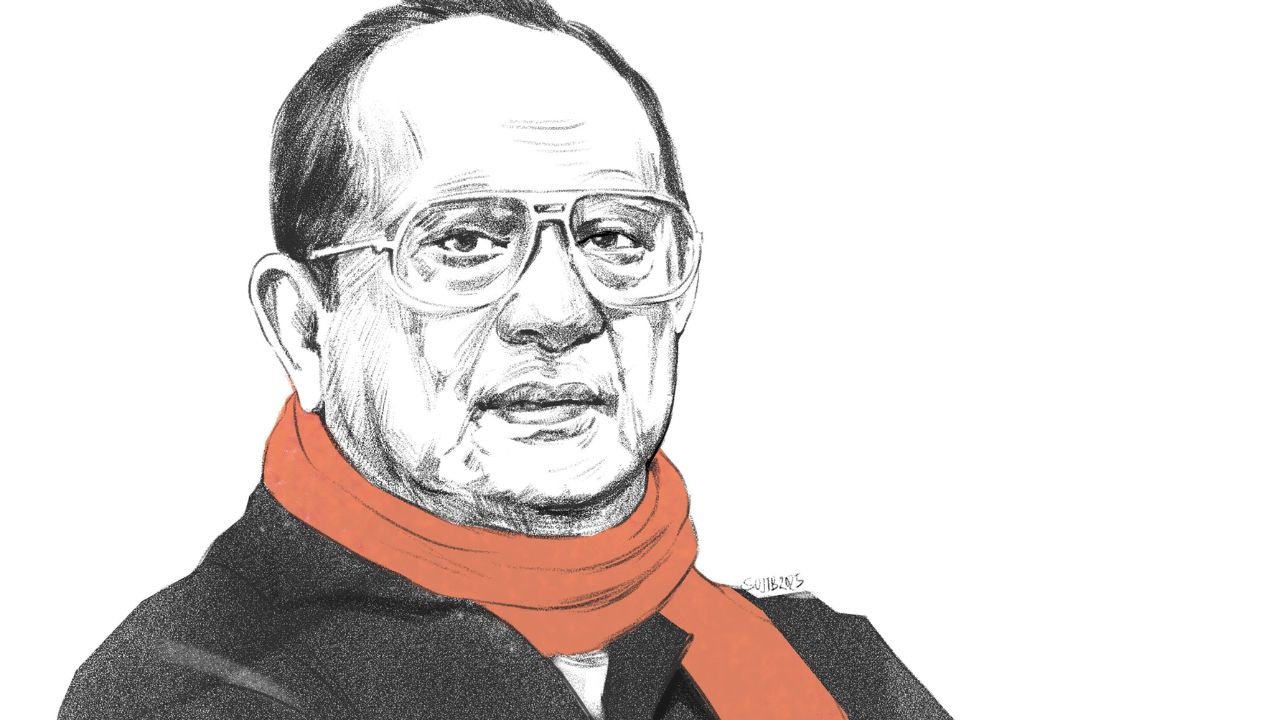



Nine years can erase a face from the screen. They cannot erase a legend — but they can reveal how quickly an industry forgets the people who built it.
For Nayak Raj Razzak’s family, that question has become almost irrelevant. His son Khalid Hossain Samrat says he once felt hurt wondering whether the film industry remembered his father. Now, he no longer thinks about it.
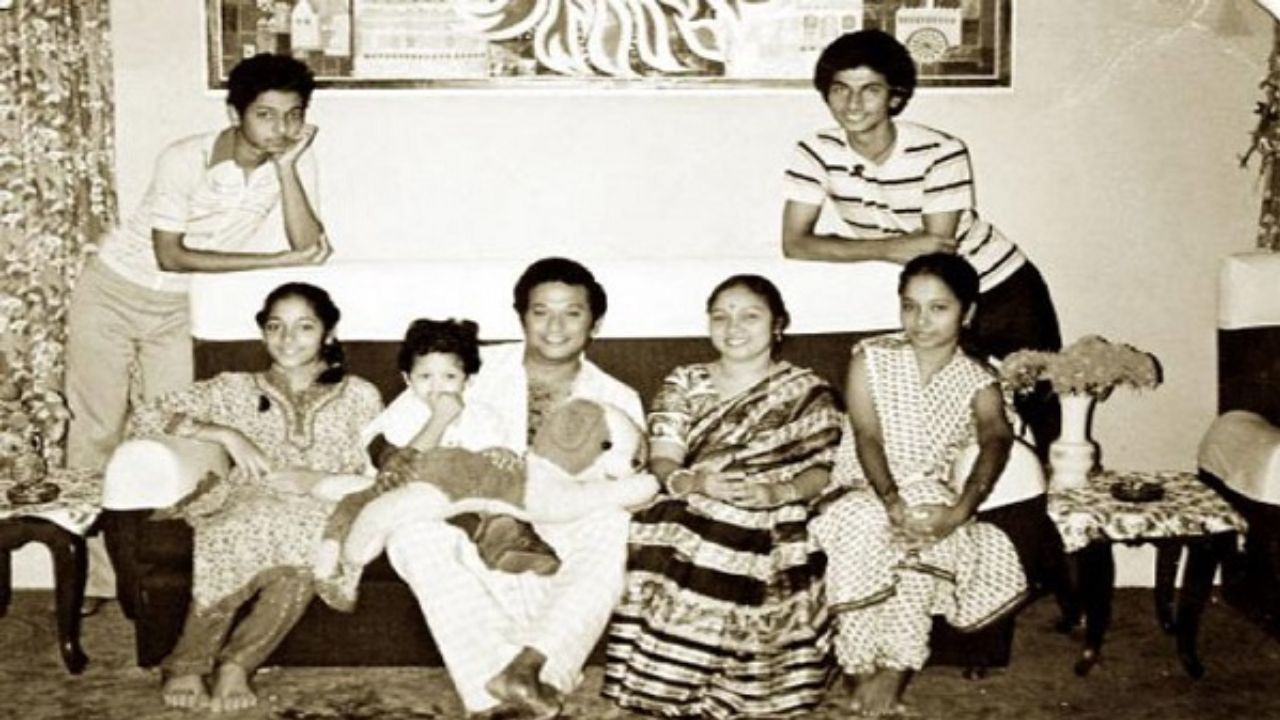
“Abba has been gone for nine years. Since he was my father, we remember him with respect every year as a family. But I used to feel sad about whether the film family or industry remembered him. I do not think about that anymore. We only ask everyone to pray for Abba. I believe he will live for generations in the hearts of his fans and viewers.”
On 21 August 2017, Bengali cinema lost a voice and a smile that had remained at its centre for nearly half a century.

Born on 23 January 1942 in Tollygunge, Kolkata, Abdur Razzak developed a passion for acting as a child. After Partition, he moved to what was then East Pakistan and began his struggle in the industry.
He first gained attention through the Pakistan Television serial Ghoroa and later worked as assistant director to filmmaker Abdul Jabbar Khan.
His big-screen journey began with 13 Number Feku Ostagar Lane, followed by Kar Bou, Dak Babu and Aakhri Station.




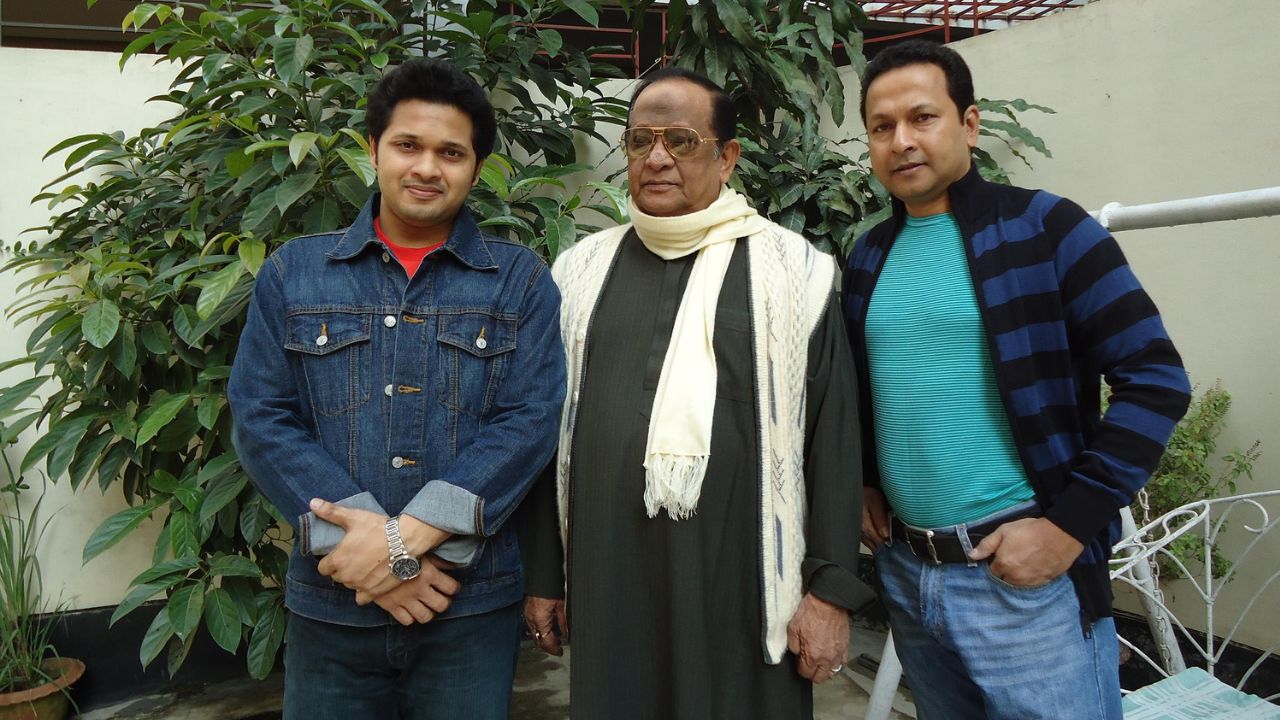
Zahir Raihan’s Behula, opposite Suchanda, marked his breakthrough as a leading man.
Razzak later entered production with Rangbaaz, directed by Zahirul Haque, and made his directorial debut with Ononto Prem in 1977, starring Bobita.
He acted in more than 300 films and directed 16, with popularity extending to Kolkata and Urdu films.
He won the National Film Award for Best Actor five times — in 1976, 1978, 1982, 1984 and 1988 — followed by the National Film Award Lifetime Achievement Award in 2013 and the Independence Award in 2015.
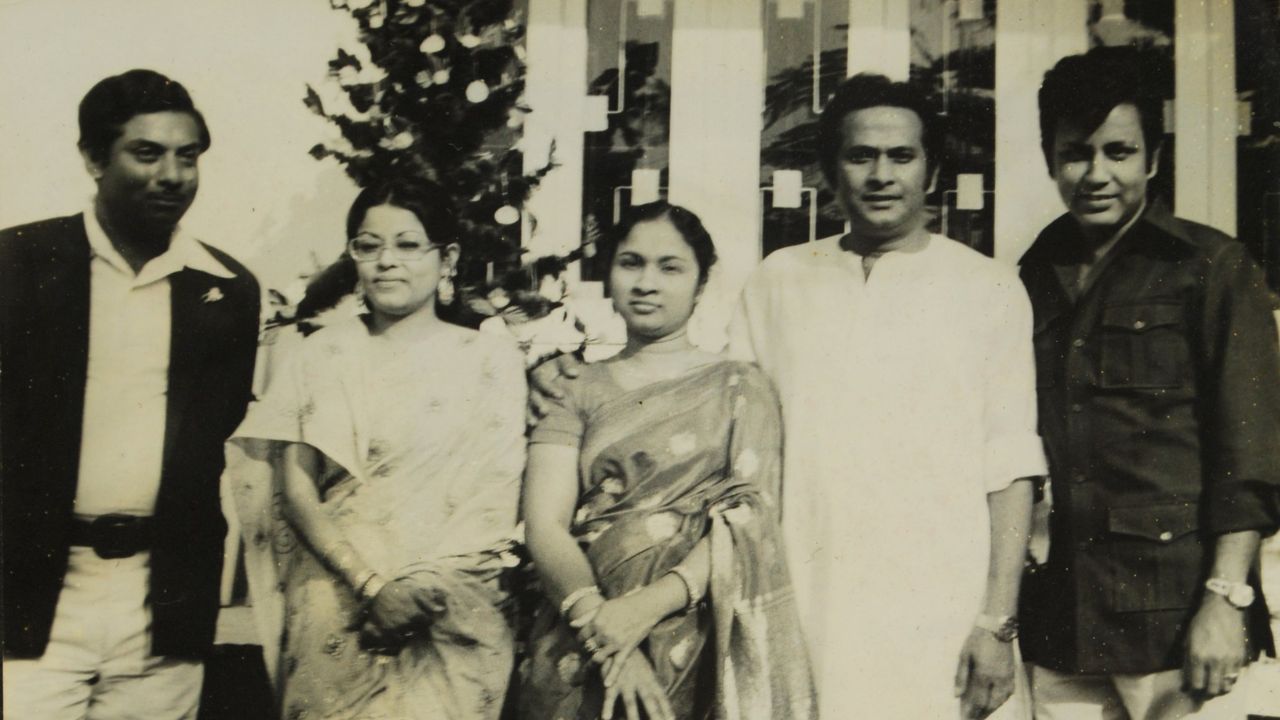
On Nayak Raj’s ninth death anniversary, his family has organised a doa and milad mahfil. Apart from the Directors’ Association, however, no other film-related organisation has announced a programme to mark the occasion.
Beyond the family’s gathering and the association’s initiative, there appears to be little else planned to commemorate one of the defining figures of Dhallywood.
Razzak’s legacy is not simply that of a star. It is the story of an era that shaped Dhallywood.
Nine years on, the question remains: has Dhallywood preserved the legacy of the man who helped build it, or has it simply moved on?