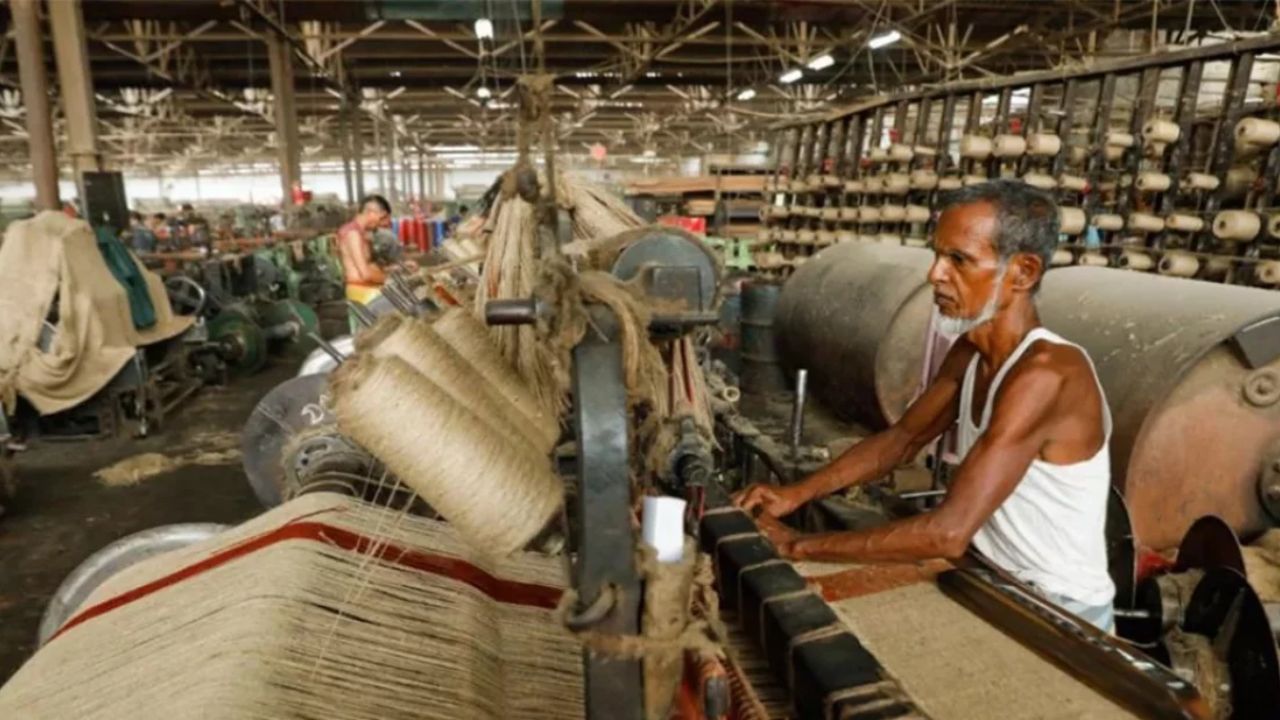



Will jute remain only a symbol of Bangladesh’s golden past? The question is gaining urgency as the crop’s potential remains largely untapped while farmers struggle to earn fair returns.
Before independence, jute was the region’s biggest source of foreign currency earnings. The “golden fibre” built the foundation for industrialisation, employment and export growth. But its dominance declined after the 1980s with the rise of plastic.
Now, growing environmental concerns are bringing natural fibres back into focus. Demand is rising for eco-friendly alternatives such as jute bags, geo-textiles, composites and home textiles.
Yet Bangladesh has failed to capitalise on the opportunity. Despite producing diversified jute products, the country has not secured a strong position in global markets.
Industry insiders blame policy inconsistencies, high production costs, loan burdens, outdated technology and limited value-added production for the sector’s declining competitiveness.
According to the Export Promotion Bureau (EPB), Bangladesh earned $883.69 million from jute and jute product exports in FY26, up 7.7 per cent from the previous year. However, growth came mainly from jute yarn and twine exports, while raw jute exports declined 11.6 per cent.
Bangladesh Jute Mills Association (BJMA) data show jute product output fell from 1.11 million tonnes in FY18 to 500,676 tonnes in FY25, a decline of 54.9 per cent in seven years.
The fall in production has forced many factories to shut down, while farmers are losing interest in cultivation.
BJMA Secretary General Abdul Barik Khan told TIMES of Bangladesh that private mills have struggled to compete with government-backed institutions.

“Although government jute mills received subsidies, private entrepreneurs did not receive similar support. One side had government assistance, while the other depended on their own funds and bank loans. This unequal competition forced many entrepreneurs out of business,” he said.
Of around 350 private jute mills, only 25 to 30 are operating at full capacity, while 70 to 75 per cent of BJMA member mills are either closed or operating partially.
“Private entrepreneurs tried to survive with their own money and bank loans. But high-interest loans, rising production costs and international competition have made it increasingly difficult for many to continue,” Barik Khan added.
BJMA said higher taxes, financial liabilities, shortage of quality seeds, rising labour costs, raw jute price volatility and inadequate technology investment have further weakened the sector.
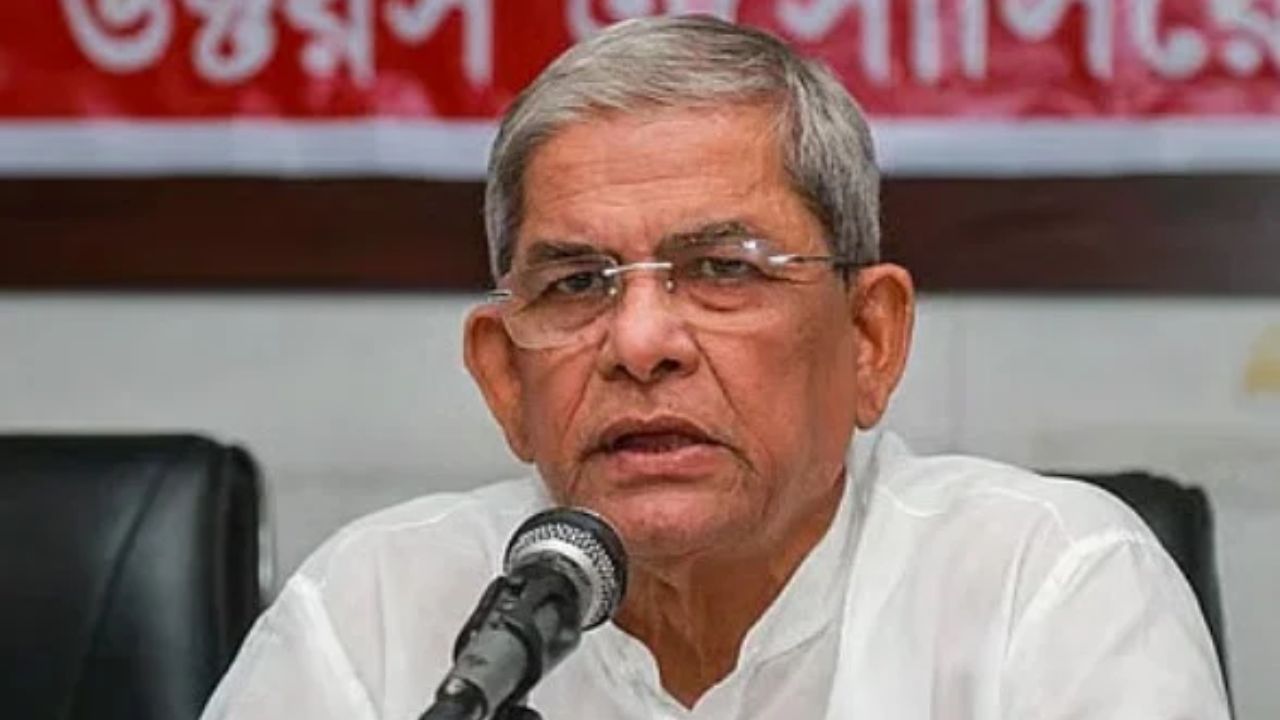
Bangladesh Jute Association (BJA) Secretary Zainul Abedin Mia said raw jute exports have remained virtually suspended for nearly 10 months, creating a major crisis for exporters.
“Even after meeting local mill demand, a significant quantity of raw jute remains surplus every year. If exports do not resume, marketing this surplus will become difficult, eventually hurting farmers,” he said.


Shrinking incentives
Declining export incentives have added to industry concerns.
Cash incentives for jute products have fallen from 12 per cent to 5 per cent. Support for jute yarn exports has declined from 7 per cent to 3 per cent, while incentives for diversified jute products have dropped from 20 per cent to 10 per cent.
The Ministry of Textiles and Jute said the government continues to provide policy and financial support to improve competitiveness.
Alongside implementing the Mandatory Use of Jute Packaging Act 2010, the government has initiated updates to the Jute Act 2017 and National Jute Policy 2018.
However, BJMA said the jute packaging law is yet to be effectively enforced.
The Jute Diversification Promotion Centre (JDPC) has registered 1,125 enterprises producing 282 types of jute products and provides training, design development, technical assistance and marketing support.
Government initiatives include establishing “jute corners” at Bangladeshi embassies and international airports, organising exhibitions and fairs, and distributing jute-made school bags among primary students.
However, entrepreneurs said these measures are insufficient, citing high borrowing costs, tax pressure, outdated machinery, weak technology investment and policy uncertainty.
Another challenge is India’s anti-dumping duty on Bangladeshi jute products. Business leaders said Bangladesh needs stronger support to modernise the industry and improve competitiveness.
Farmers bear the burden
Jute farmer Khorshed Alam from Jamalpur said rising costs of fertiliser, seeds and labour have increased production expenses, but farmers are not receiving fair prices.
“When farmers sell jute at the start of the season, prices remain low. Later, when prices rise, farmers do not benefit,” he said.
The ministry, however, said farmers under the “Production and Expansion of Jute and Jute Seeds Using Advanced Technology” project received free seeds, fertiliser, pesticides and training.
BJSA Director and Managing Director of Majeda Jute Industries Limited Mohammad Saiful Islam said rising production costs and technological stagnation are among the biggest challenges facing the industry.
“Quality seed shortages, rising agricultural input prices and labour-intensive production systems are rapidly increasing costs. At the same time, many farmers are moving away from jute cultivation due to poor returns,” he said.
Untapped potential
Bangladesh’s jute exports remain dependent on raw jute and low-value yarn. Yet, producing diversified and value-added products from the same raw materials could generate much higher earnings.
Saiful Islam said one kilogramme of jute yarn sells internationally for Tk150 to Tk180, while an eco-friendly jute bag made from the same yarn can fetch more than Tk1,000.
Bangladesh has the capacity to produce 1 million to 1.2 million tonnes of jute annually, he said. Using existing jute mills, textile facilities and the ready-made garment sector, the country can expand without major new infrastructure.
“With proper policies and planning, Bangladesh can earn up to $50 billion annually from jute and jute product exports using existing capacities,” he said.
“However, without innovation, modern designs, international marketing and strong branding, Bangladesh cannot strengthen its position in the global market,” he added.
The Ministry of Textiles and Jute plans to expand production of geo-textiles, technical textiles, jute composites, biodegradable packaging and other high-value products.
The future strategy is to move away from raw jute exports towards high-value diversified products.
The ministry said 14 of the 25 BJMC mills closed in 2020 have been leased to private operators, with nine already resuming production. Efforts are underway to reopen the remaining mills.
It also plans to encourage investment through technology upgrades, export market expansion, international branding and public-private partnerships.
The government has stressed greater investment in research, innovation, improved seed production and diversified jute products to revive the sector.