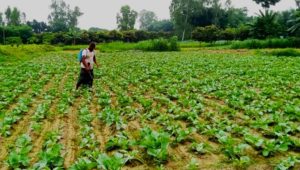
Mustard fields across Manirampur in Jashore have turned bright yellow with the arrival of winter, drawing beekeepers who are now in their busiest season collecting mustard flower honey.
Along the main road in Ramapur village under Maswimnagar Union, beekeeper Mominur Ali has leased 12 decimals of land for a month and installed 150 wooden bee boxes.
He is joined by fellow beekeepers Suman Majhi and Robiul Islam from Satkhira’s Kaliganj, who are working with him through the peak mustard season.
These boxes, filled with Apis cerana, the small honeybee species commercially used across Bangladesh, are now producing fresh mustard honey each week.

Speaking to TIMES on Wednesday, beekeepers said modern beekeeping techniques are being used to maximise production. Each box contains eight to ten wax frames, along with a queen bee that lays two to three thousand eggs daily.
The eggs hatch in 13 days, and worker bees spend the next 26 days collecting pollen and nectar from mustard flowers before dying at around 39 days of age.



Mominur said mustard fields offer the most productive months for beekeeping.
“We collect honey from mustard fields for about four months each year. For the remaining eight months, we feed the bees sugar to keep them alive. From December to April, the yield is best. Each box gives us between 2kg and 5kg of honey a week,” he said.
He added that top national brands and various online shops purchase pure honey directly from beekeepers.
Mustard honey currently sells for Tk400–500 per kg in the market.
“With proper care and the right environment, Manirampur has huge potential for honey production. Training and government support could increase output and create jobs,” he said.
Manirampur Additional Agriculture Officer Sharmin Shahanaj said beekeeping benefits both honey producers and farmers.
“When beehives are placed beside mustard fields, yields increase by 10 per cent to 20 per cent. Farmers get better harvests, and beekeepers can collect honey at no cost,” she said.