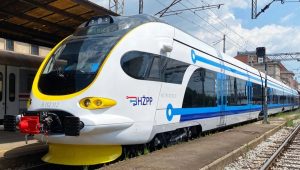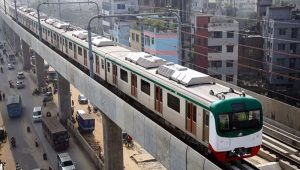

A staggering 469 people were killed and 1,280 injured in 469 road accidents across Bangladesh in the month of October. During the same timeframe, 52 railway accidents resulted in 47 fatalities and 30 injuries, as reported in the media.
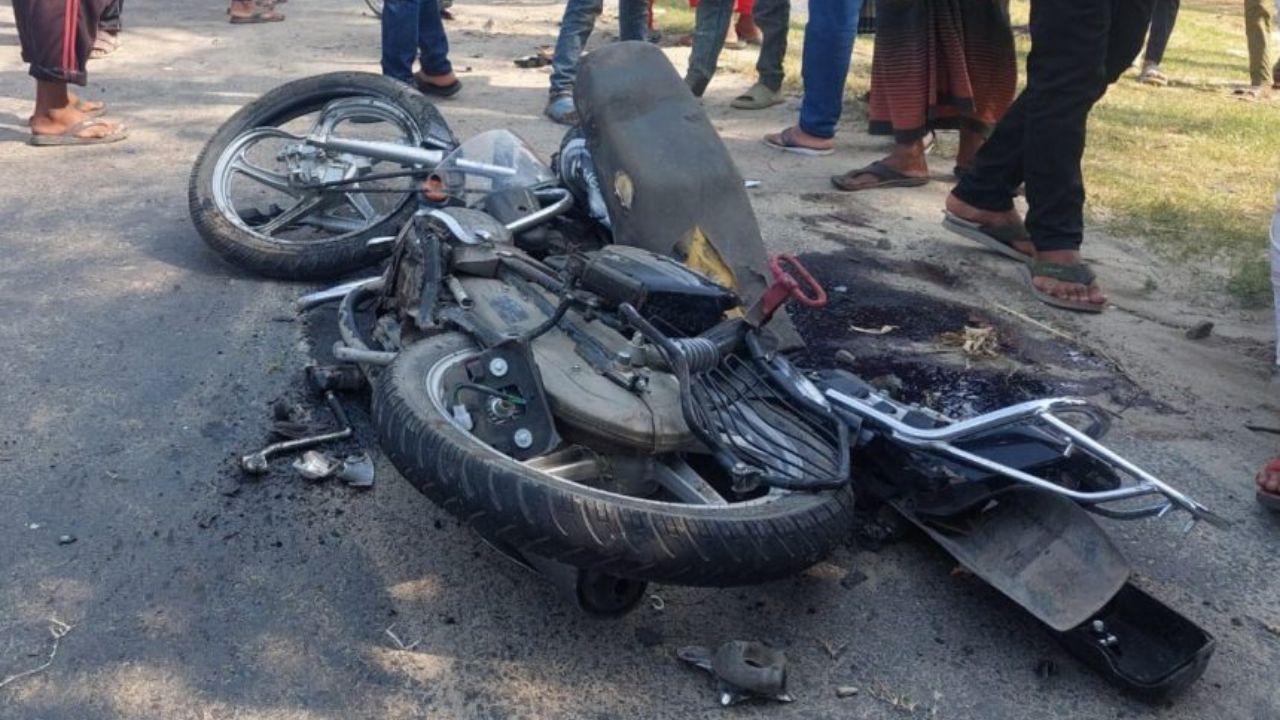
This period also saw 170 motorcycle accidents, killing 176 and injuring 137 people. These figures represent 36.24 per cent of total accidents, 37.52 per cent of total deaths, and 10.70 per cent of total injuries.
The report was compiled from local media by the Bangladesh Jatri Kalyan Samiti’s Accident Monitoring Cell. The organisation presented this report in a press release signed by its Secretary General, Md Mozammel Haque Chowdhury, on Wednesday.
According to the data, 11 waterway accidents claimed 12 lives, with one person remaining missing. In total, 532 accidents across road, rail, and waterways caused 528 deaths and 1,310 injuries.
The highest number of road accidents occurred in the Dhaka division, with 126 accidents claiming 130 lives and injuring 343 people. The lowest number was in the Mymensingh division, with 20 accidents resulting in 27 deaths and 37 injuries.
Trail of bodies
Among the victims of road accidents were 50 members of law enforcement agencies, 139 drivers, 119 pedestrians, 27 transport workers, 38 students, 14 teachers, 97 women, 40 children, one lawyer, two journalists, three engineers, and 18 political party leaders and activists.

The deceased include four police members, one RAB member, one BGB member, one lawyer, three engineers, 133 drivers of various vehicles, 99 pedestrians, 58 women, 35 children, 35 students, 14 transport workers, 13 teachers, and 14 political party leaders and workers.
During this time, 772 vehicles were identified as being involved in road accidents. The data shows that 25.90 per cent were motorcycles, 21.24 per cent were trucks-pickups-covered vans and lorries, and 16.06 per cent were buses.
Furthermore, 12.80 per cent were battery-powered rickshaws and easy-bikes, 4.27 per cent were CNG-run auto-rickshaws, 8.41 per cent were Nasimon-Karimon-Mahindra-Tractors and Lagunas, and 4.79 per cent were cars-jeeps-microbuses.
Regarding the nature of accidents, 49.89 per cent were incidents of vehicles running over victims. Another 25.15 per cent were head-on collisions, and 19.61 per cent were vehicles losing control and falling into ditches.



The remainder occurred due to miscellaneous reasons and train-vehicle collisions.
An analysis of accident locations reveals that 42.43 per cent of total accidents occurred on national highways. Another 23.66 per cent occurred on regional highways, and 27.29 per cent on feeder roads.
Furthermore, 4.69 per cent of the total accidents across the country occurred within the Dhaka metropolitan area. Another 1.27 per cent were in the Chattogram metropolitan area, and 0.63 per cent at railway crossings.
Threat of damaged roads, potholes
According to observations by the Bangladesh Jatri Kalyan Somiti, significant causes of road accidents in October include roads damaged during the monsoon, creating potholes that contributed to accidents.
The unrestricted movement of motorcycles, battery-powered rickshaws, CNG auto-rickshaws, and Nasimon-Karimon [motorized three-wheelers] on roads and highways was another major factor.
A lack of road signs, road markings, and streetlights on national highways also led to accidents when vehicles entered from feeder roads.
Other causes include an absence of medians or road dividers, and blind spots created by overgrown vegetation. Construction faults on highways, vehicle defects, and a tendency to disobey traffic laws were also contributing factors.
Further causes identified were vehicles driving against the flow of traffic, extortion on roads, and passenger transport in goods vehicles.
The prevalence of unskilled drivers, vehicles without fitness certificates, and overloading of passengers were also noted. Reckless and continuous driving without adequate breaks completed the list of major causes.
What can be done?
Jatri Kalyan Samiti recommendations for preventing accidents include urgently repairing roads and highways damaged by rain. The organisation also advised ensuring lighting on national and regional highways for safe night-time travel.
Taking initiatives to create skilled drivers and implementing a digital system for issuing vehicle fitness certificates was also recommended. Providing service lanes and footpaths on important national highways is another suggested measure.
The recommendations further include stopping extortion on roads and ensuring fixed salaries and working hours for drivers. Providing footpaths and pedestrian crossings on highways, and installing road signs and markings is also advised.
Applying the Road Transport Act using digital technology, modelled on developed countries, is another key recommendation. Building a high-quality, modern bus network across the country and increasing the capacity of regulatory bodies is also suggested.
The organisation also stressed ensuring the construction and repair of quality roads and conducting regular road safety audits. Initiatives should be taken to scrap public transport vehicles that have expired their service life and those long without fitness certificates.
Further recommendations include exempting VAT and income tax imposed on drivers receiving training. Finally, the organisation urged relevant authorities to restrict the import and registration of motorcycles and battery-powered rickshaws.