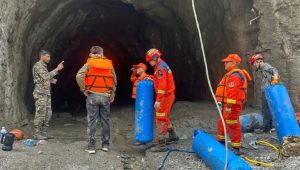
Across South and Southeast Asia, the skies have refused to close. Weeks of tropical storms and punishing monsoon rains have triggered massive floods and landslides, leaving a trail of destruction that stretches from Sri Lanka to Indonesia, from Thailand to Malaysia.
This is not just another monsoon season. This is a continent under pressure, reshaped by a warming climate and weakened by decades of environmental neglect.
More than 1,900 people have been killed so far. Millions have been displaced. Homes, bridges, schools and forested lands have vanished under water and mud. The Asian Water Development Outlook 2025, released by the Asian Development Bank, warns that the region’s water systems are entering an era of unprecedented risk.

Indonesia has suffered the heaviest blow. In Aceh, North Sumatra and West Sumatra, entire villages have been swept away. Around 1000 people are dead, and 293 remain missing, reports Al Jazeera. More than one million residents have been displaced. In overcrowded shelters, hunger is becoming as deadly as the floods themselves.
Much of this tragedy is linked to human actions. Illegal logging, palm-oil plantations, mining and recurring forest fires have stripped the land of protection. When the rains came, bare hillsides collapsed, and rivers swelled beyond control. Indonesia plans to buy 200 helicopters in 2026 for disaster preparedness, but the long-term solution lies in healing its damaged landscapes.




Sri Lanka is reeling from Cyclone Ditwah, the most severe storm to hit the island this century. Weeks after making landfall on November 28, its effects still linger. Floods and landslides have killed 639 people, with 211 still missing.
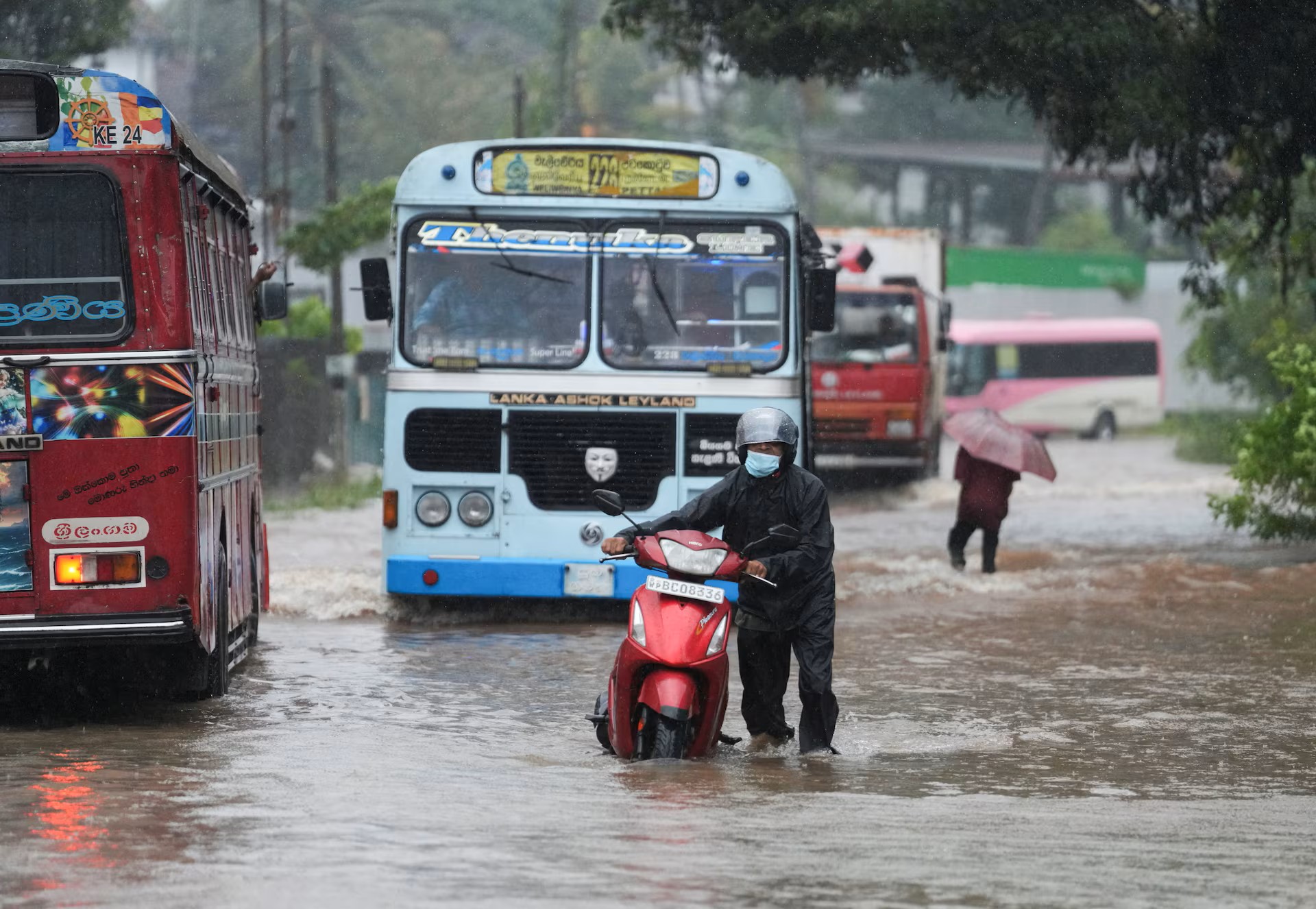
Hillsides in central and northwestern regions remain unstable as monsoon showers continue. At the height of the crisis, 225,000 people were living in state-run camps. The number has since fallen to 100,000, as water levels slowly recede. But for many, returning home means facing destroyed houses and fields buried under silt.
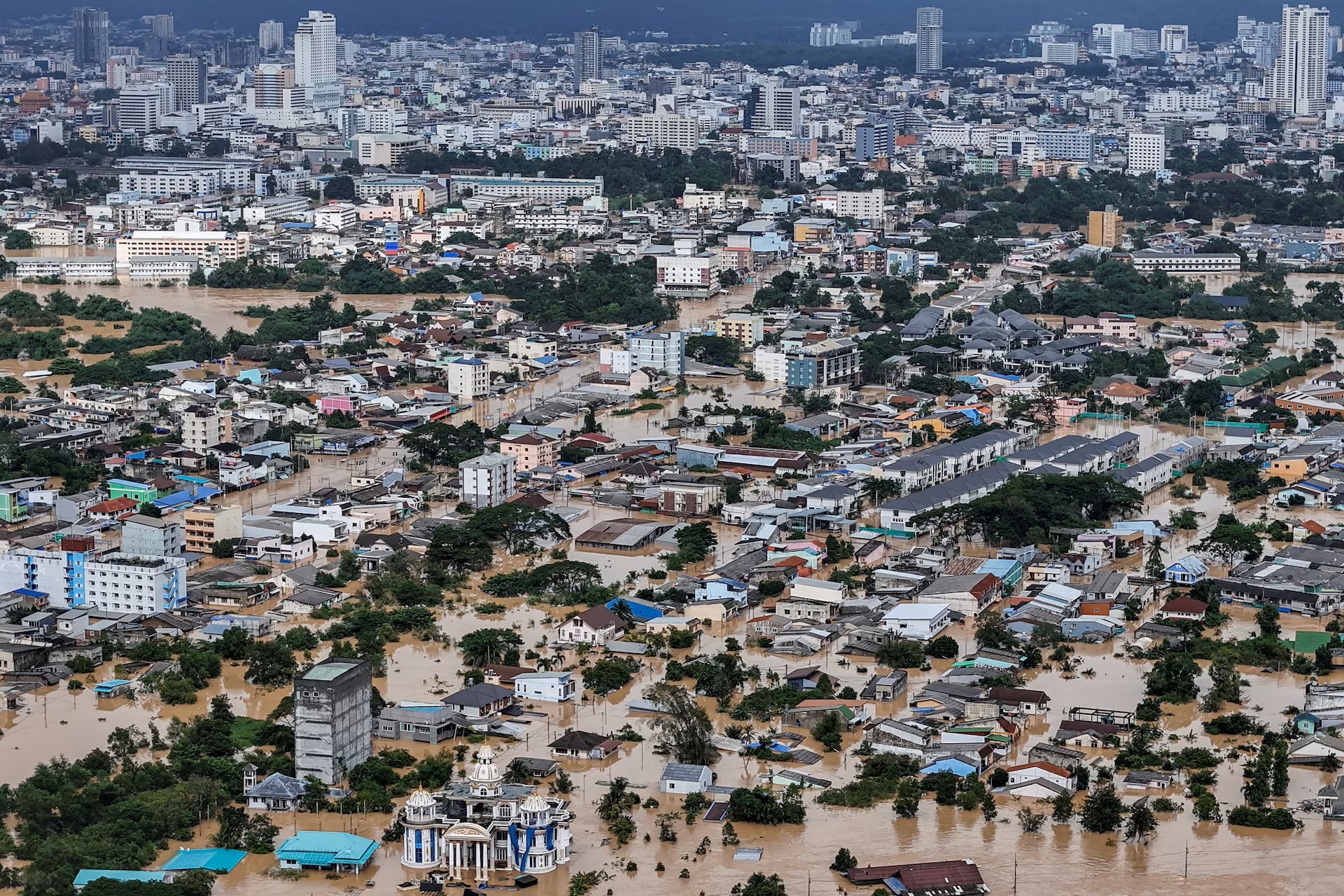
Thailand continues to battle flooding in parts of the central plains, north and south. Authorities say the water is receding in most areas, but the death toll is 277 so far. This reveals the scale of the crisis. Many died from electrocution or accidents in fast-moving waters, showing how invisible risks can become fatal during floods.
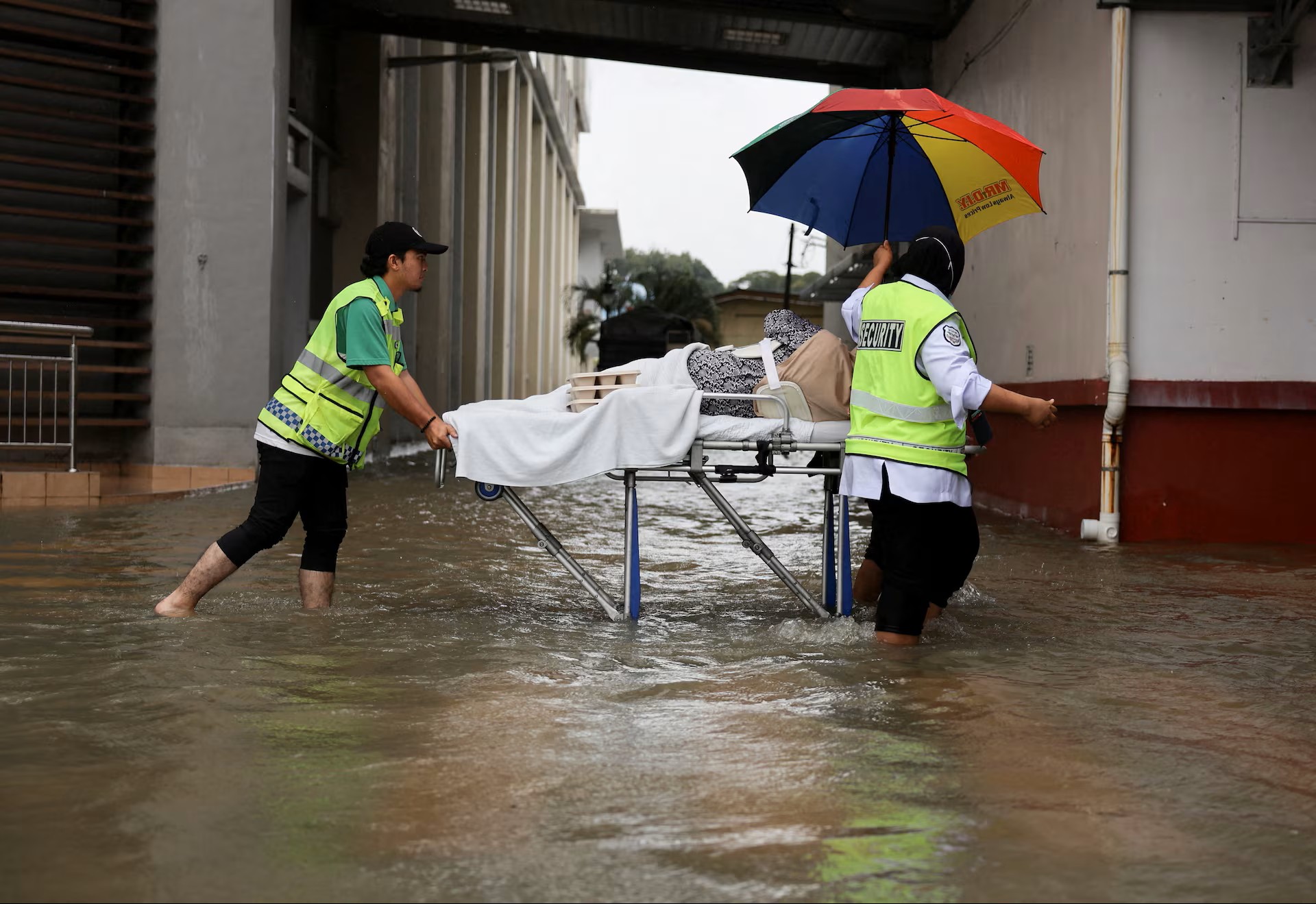
Malaysia’s northern states have faced rising waters since late November. Although only two deaths have been recorded, more than 30,000 people have been displaced. Temporary shelters are once again filled with families who know that floods are no longer rare events but seasonal certainties.
This year’s floods show a region caught between natural forces and human choices. Climate change is intensifying storms. Deforestation is weakening landscapes. Urban expansion is choking waterways, and millions are living on the edge. As the waters retreat, Asia faces a reminder: the next storm season is never far away.