Morning arrives softly in the furthest corner of Sreemangal, specifically in the villages of Adampur Union.
The sunshine gradually blankets the ground, and the primary sounds of the day are not those of traffic, but the gentle footsteps of children walking to school, carrying heavy bags upon their shoulders.
These villages are home to the Monipuri Muslims, known as the Pangals – a small community that has never been vocal about its aspirations, yet has always dreamt of a better existence.
Though they are the only Muslim ethnic community of their kind in Bangladesh, they exist almost silently, like a story still waiting to be fully unfolded.
A fusion of history
The Pangal narrative began long before today’s dreams. Their roots trace back to the Kingdom of Monipur in India in the 17th century, where Muslim Pathan soldiers settled and married local Monipuri women.

Sazzadul Hoque Swapan, a teacher and social worker from the community, shares: “Historically, we have a Pathan father and a Monipuri mother. So ultimately, we follow Sunni Islamic traditions and speak in our mother tongue – Monipuri”.
From this intersection of history, a unique identity was born. Over time, this identity travelled and rebuilt itself when the community fled India in the 17th century to settle in different parts of Sylhet, eventually becoming an integral part of the national map.
The weave of daily life
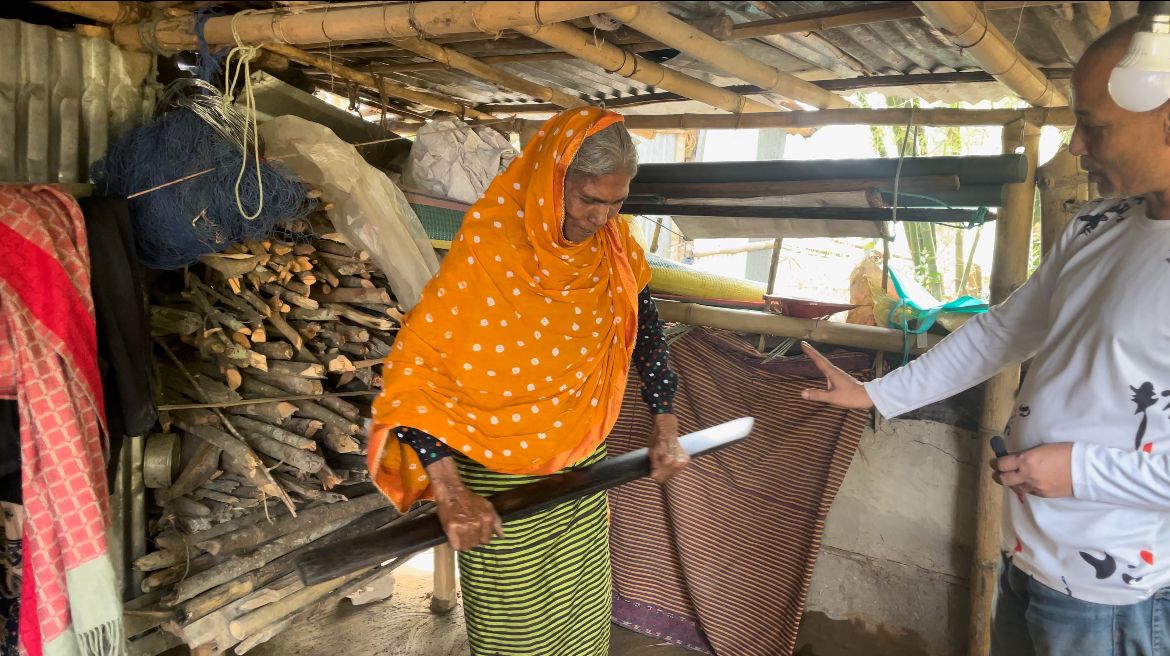
Life in Adampur continues with characteristic simplicity. In every household, women sit for hours at handlooms, weaving the famous Monipuri sarees thread by thread. Men work alongside them or in the fields.
While meals are modest and homes humble, religious faith remains at the core of existence.


However, within this simplicity, something is evolving daily through steady growth and determination: the educational progress of the Pangals. For this community, education is not a luxury, but a necessity that shapes their identity in the country.
“As local residents describe it, “Education is basically the direction of our society.”
A Journey of Learning Almost every child in the community now completes primary education; it is rare to find someone who has not had that start. From there, the journey continues through secondary school and college into higher education.
While the transition is not rapid, it is certain.
“Education is now part of who we are becoming,” says Md Shahaj Uddin, president of the Manipuri Muslim Teachers Forum. “Our boys and girls are both stepping forward. Every other day, they are more focused, more determined than ever before.”
Milestones of progress
In the classrooms, students sit persistently, carrying the dreams of a community that views education as the primary approach to shaping its future.
Many Pangals go on to serve the country in the military, the administration, and various other professions. For such a small community, their presence stretches far, yet they remain down-to-earth, struggling daily to improve.
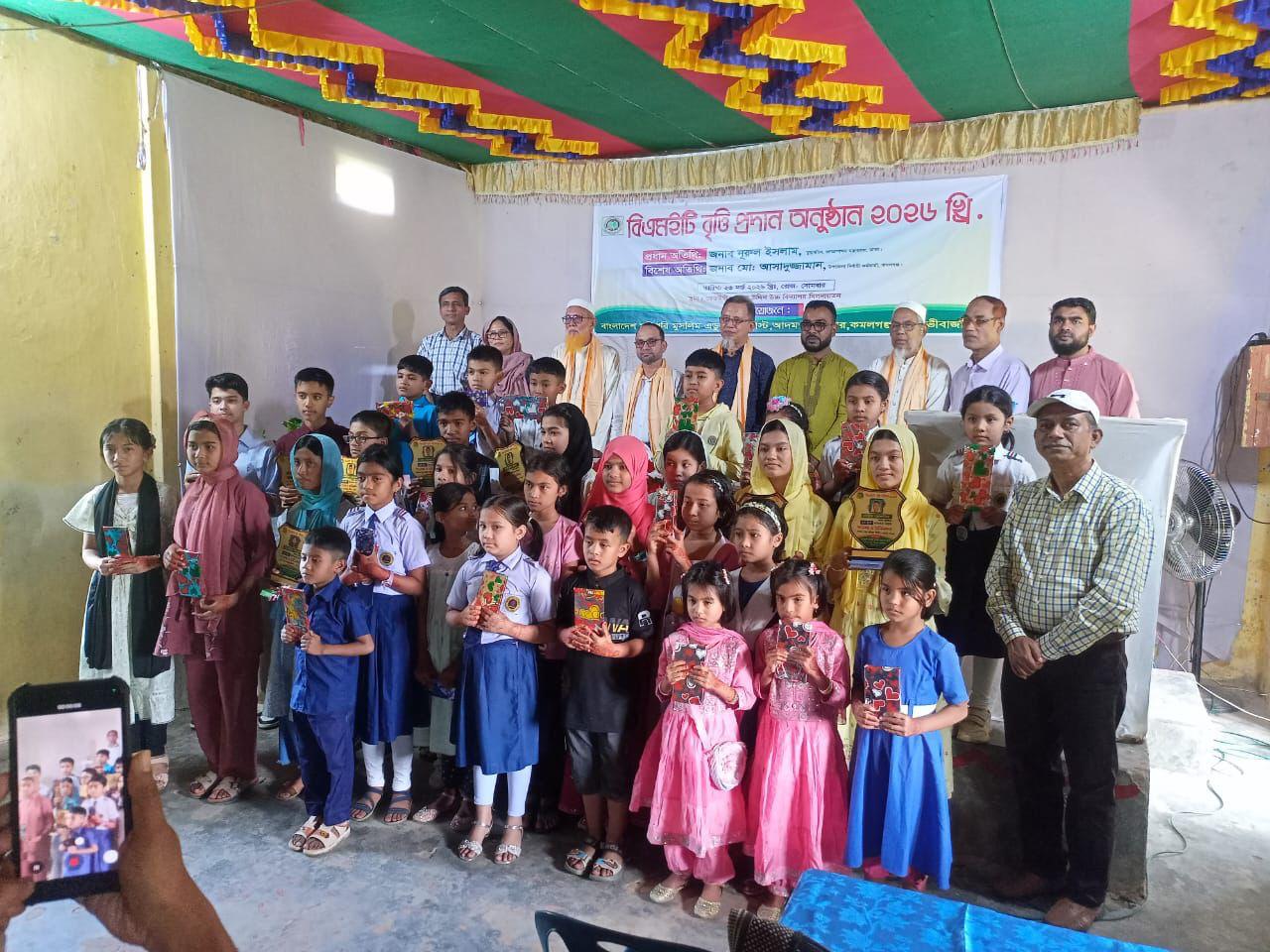
Certain moments stand out as milestones. MD Shahaj Uddin notes that girls have consistently stayed ahead of boys in education, a special aspect of their progress. This year, three girls from the community were admitted into government medical colleges.
“These small steps feel like history shifting,” says MD Shahaj, his eyes reflecting the collective efforts of families and teachers in expanding prospects for the youth.
Firm roots, forward steps
For Sazzadul Hoque Swapan, the success of his students feels like a personal victory. The community remains culturally and literarily engaged, encouraging students to stay connected to community development.
In Adampur, success does not arrive all at once; it comes in slow, firm steps. The population walks forward without ever distancing itself from its roots, carrying its identity through knowledge and experience.
Even if they remain unfamiliar to many in the country, the Pangals stay content and connected within their own realm.