Activision and developer Infinity Ward have officially unveiled the latest instalment in their premier first-person shooter franchise, Modern Warfare 4.
The announcement has sparked significant global discussion due to its narrative focus on a fictionalised modern-day conflict on the Korean Peninsula.
Scheduled for release on 23 October, the title follows South Korean soldiers attempting to repel a full-scale North Korean invasion.
While the game represents a major technical milestone, it has also ignited a debate amongst academics regarding the ethics of transforming an unresolved, real-world geopolitical tension into a high-budget digital entertainment product.
The Conscript’s Perspective
The unveiling was spearheaded by a cinematic trailer that secured nearly 22 million views within 24 hours of its debut.
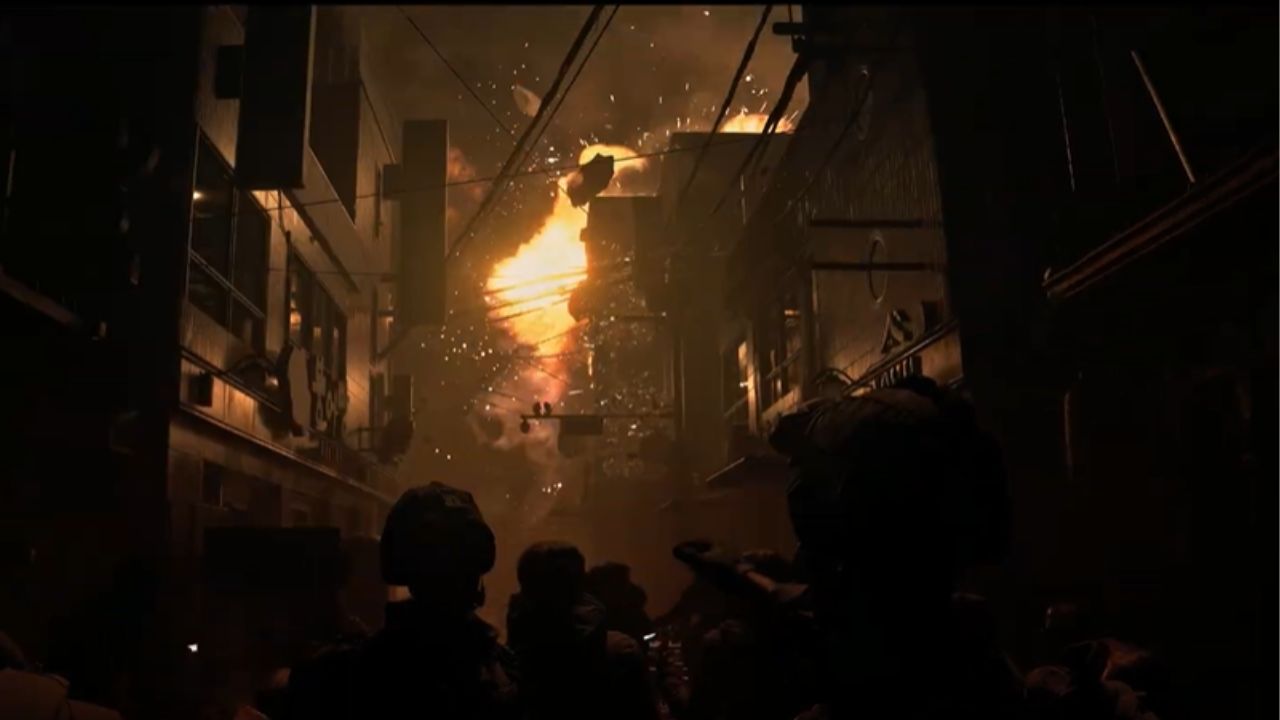
The footage focuses on a group of young South Korean conscripts engaged in what appears to be a routine patrol, only to be thrust into a full-scale war following a sudden missile strike from North Korea.

This focus on “ordinary” soldiers marks a significant shift for the series, which traditionally highlights elite special forces.
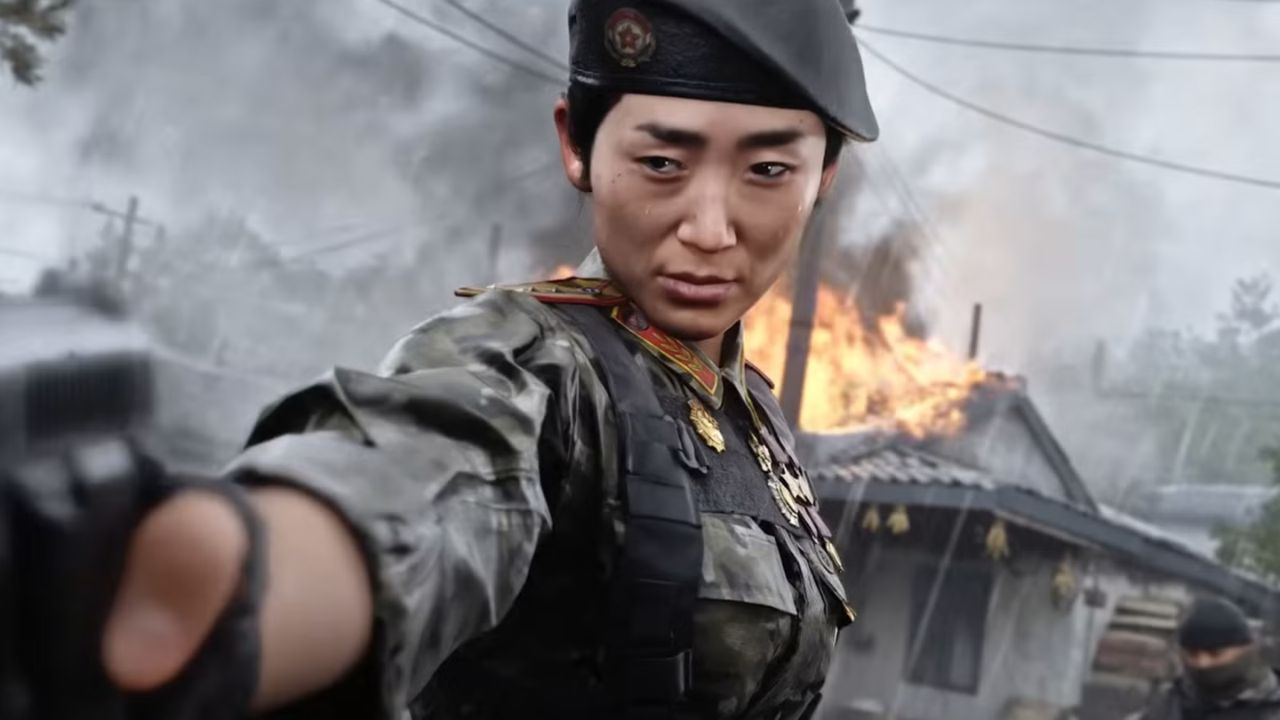
In-game screenshots released alongside the trailer depict the intensity of this setting, showing a male Korean soldier against a backdrop of a burning building and a female soldier, adorned with medals, illuminated by a distinct green light.
Reaction on social media has been extensive, with over three million interactions across platforms such as Instagram, TikTok, X, and Facebook.




Many South Korean gamers have responded positively to the representation.
One commentator noted that the atmosphere and facial designs possessed a “familiar Korean feel,” while others expressed surprise that the Republic of Korea (ROK) Army would serve as playable protagonists rather than mere background “extras”.
Authenticity and Exploitation
Despite fan enthusiasm, the premise has drawn academic scrutiny.
Dr Sarah Son, a Senior Lecturer in Korean Studies at the University of Sheffield, warned that the project “could be controversial” because it “turns still-unresolved war into entertainment”.
She noted that while narratives of inter-Korean conflict are common in local culture, they are usually told from a South Korean perspective; a global franchise, however, may be “judged differently”.
The historical sensitivity is rooted in the 1953 armistice, which ended active fighting but never resulted in a formal peace treaty, meaning the two nations remain technically at war.
George Osborn, author of “Power Play: Video Games, Politics and the Battle for Global Influence,” told the BBC the setting is “likely to attract scrutiny”.
He cited the game Homefront, which was banned in South Korea for its depiction of a northern occupation, as a warning that Infinity Ward must handle the subject with “great care” to avoid significant backlash or challenges selling the game in the region.
Technical Evolution
Modern Warfare 4 will be the first mainline entry to skip the PlayStation 4 and Xbox One, launching exclusively on current-generation consoles, PC, and the Nintendo Switch 2.
Infinity Ward stated the game remains “grounded in military authenticity,” featuring the return of fan-favourite Captain Price in missions across several international cities alongside the main Korean campaign.
Significant gameplay updates include revamped movement mechanics and more interactive environments.
The studio is also overhauling DMZ, its extraction-style multiplayer mode, and introducing a new ‘Frontlines’ system designed to make battles feel more dynamic, reactive, and evolving.
The franchise has a long history of provocative content, including the infamous “No Russian” mission—which allowed players to shoot civilians in a Moscow airport—and previous depictions of war crimes.
As the launch approaches, the industry remains watchful of how the title balances its pursuit of realism with the delicate political realities of the Peninsula.