
The Shialbari area of Mirpur has grown into a dangerous industrial-residential maze, where chemical warehouses and garment factories stand side by side with homes — all developed over two decades in clear violation of the law.
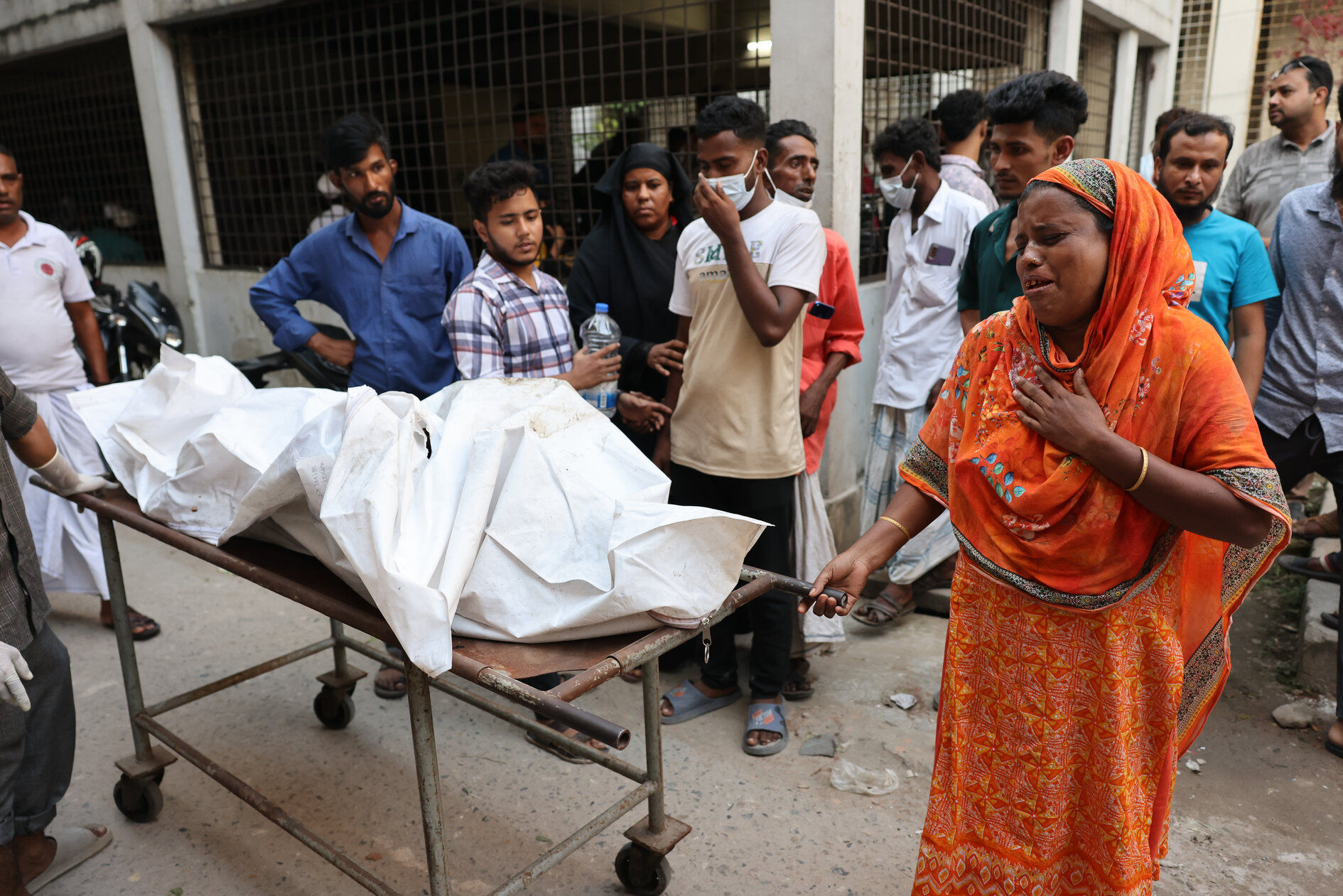
A massive fire on Tuesday ripped through the area, killing at least 16 people and blanketing the neighbourhood in toxic smoke. The blaze released hazardous fumes containing bleaching powder, hydrogen peroxide and burning plastics, choking the air and leaving residents gasping for breath.
Locals reported eye irritation, coughing and breathing difficulties as the fire raged. Officials at the Department of Environment said air and water quality tests would be carried out once the fire is completely under control.
Visiting the site, Adviser Sharmin Murshid pledged tougher action to prevent hazardous industries from operating in residential areas.
“Although our government has a short tenure, we will change the policy so that such hazardous factories cannot be set up in residential areas,” she said. “The government would take measures against those who stored such chemical at godowns.”
Environmentalists say those words echo long-broken promises. Bangladesh Paribesh Andolan (BAPA) President Nur Mohammad Talukder warned that the toxic gases in the air posed a severe health risk to residents and nearby workers.
“The government has laws regarding where chemicals can and cannot be stored, but those who run businesses do not adhere to them,” he told TIMES of Bangladesh.
“We have repeatedly urged the government to find out the irregularities. But we think the government has a mechanism in place for that. And we no longer expect anything from the government,” he added.

A neighbourhood on edge
Fire service officials have urged people to stay at least 300 yards from the site, warning that fumes remain harmful.
Residents say the tragedy was long in the making. Garment and dry-wash factories often share the same buildings or stand adjacent to chemical stores, but law enforcement rarely acts.
“Hundreds of workers, including children, are working with the looming threat of death,” one resident said, describing the lack of fire safety equipment and emergency exits.
Authorities themselves admit weak coordination. Fire Service and Civil Defence Director (Operations) Lieutenant Colonel Tajul Islam Chowdhury said: “Many are responsible for monitoring chemical imports, permits, transportation, and warehouses. The list of illegal warehouses is being updated, and joint operations will be conducted soon.”
He added that manpower shortages and limited authority often prevent effective oversight.



Too many agencies, too little accountability
The web of responsibility is spread across at least eight government entities — including the Ministry of Commerce, district administration, police, Department of Explosives, Fire Service and Civil Defence, city corporation, Rajuk, customs, and the Ministry of Labour.
Each has a mandate to regulate chemical storage and industrial safety, but enforcement has been lax.
Explosives Department Inspector Dr Asadul Islam said most warehouses in Shialbari operated without permission.
“Chemical factories and warehouses must take the approval from different institutions. There are no authorised factories in that area,” he said, adding that his department has only 72 staff members nationwide.
A deadly business
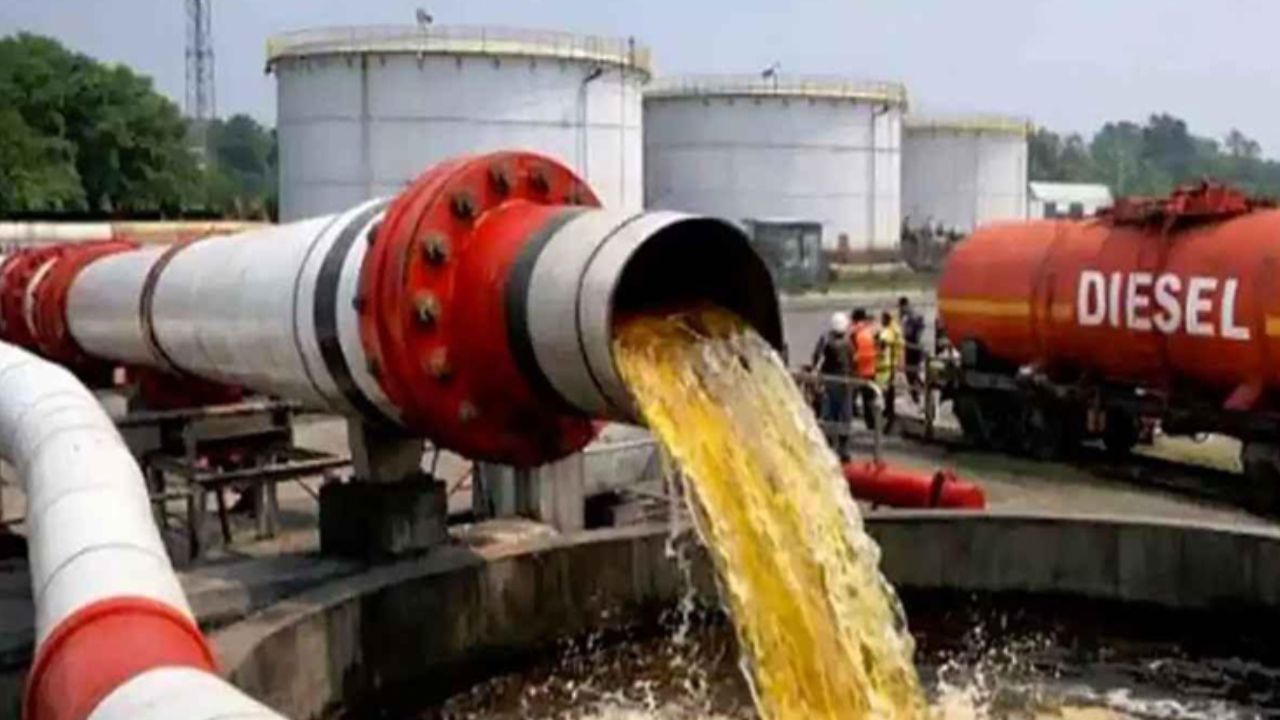
The warehouses store flammable substances, toxic gases, acids and solvents used in the manufacture of plastics, detergents, pesticides and pharmaceuticals. Regulations require proper ventilation, fire-safety systems and warning signage — standards that are largely ignored in Shialbari.
Following the explosion at the Shah Alam Chemical Warehouse and a nearby garment factory on Tuesday, the Ministry of Labour and Employment formed a seven-member inquiry committee and ordered a report within seven working days.
A TIMES correspondent who visited the scene found many factories operating without names or signboards. A fire official confirmed that the warehouse owner, Shah Alam, maintains three other storage sites across Mirpur.
Shah Alam, a chemical dealer, also operates warehouses in Savar and Ashulia, supplying chemicals to local dry-wash factories. Residents allege he keeps expired chemicals in stock and wields considerable influence in the area.
“He is influential in the locality and mediates various disputes, often with the involvement of local police. He is colloquially referred to as ‘Haji Sahab,’” one local said.
Factory worker Nirab Hossain said: “Shah Alam was in his office when the explosion and fire occurred. He came to the warehouse afterward but has not been seen since.” His manager, Akram Khan, has also gone into hiding. Both could not be reached for comment.
An industrial jungle
Locals estimate that more than 100 small factories operate along Roads 1 to 9, none with proper approval.
Mazharul Islam, a helper at GM Fashion, said, “There are over a hundred factories on the right side of Road 1 to 9. But none of them have the approval.”
Kefayet Ibne Rahman, president of the Social Welfare Club at the Bangladesh University of Business and Technology (BUBT), said the area’s growth has been chaotic.
“Both commercial and residential areas have been developed. Besides dry wash and garment factories, there are also chemical warehouses, but these organisations are not monitored,” he said.
Khaled Khan, manager of ACI Pharma’s medicine depot, said his company is considering relocating. “The area is hazardous due to the chemical warehouses,” he said.
Long-delayed action
Despite years of warnings, little has changed. In late September, the Ministry of Disaster Management and Relief decided to survey chemical sources, storage and risk zones across Dhaka. The plan has yet to move beyond paper.
Residents of Shialbari say they have heard such promises before — usually after a tragedy. As the ashes cool from the latest fire, many fear it will take another disaster before anyone in authority truly acts.