Nearly two decades after leaving office, BNP returned to the corridors of power on Wednesday, as the new cabinet members began their first full working day in government with a blend of ceremony, symbolism and sweeping pledges of reform.
The Secretariat in Dhaka wore an altered look. Fresh nameplates bearing the titles of newly appointed ministers and state ministers gleamed outside offices. Bouquets arrived in steady procession to greet the new executives and policy makers. Officials and staff moved with renewed urgency, conscious that they were once again serving under an elected political administration.
The new ministers spent the morning exchanging greetings with senior civil servants before facing reporters, outlining priorities that ranged from economic liberalisation to restoring law and order and overhauling education and healthcare.
Local Government Minister Mirza Fakhrul Islam Alamgir said the administration would move quickly to organise local government elections. Speaking of the mandate given by Prime Minister Tarique Rahman, he pledged to address the grievances of farmers, workers, working women and the unemployed, saying the government would work “above party lines” and seek broad public participation in national development.

He also sought to reassure the public over concerns about the economy and security, saying the law-and-order situation was not as dire as portrayed and that so-called “mob culture” would not be tolerated.
Finance Minister Amir Khosru Mahmud Chowdhury set out an ambitious vision of transforming what he described as a patronage-driven economy into a democratic one. He spoke of deregulation and liberalisation, arguing that Bangladesh must diversify beyond manufacturing to include sports, culture and other professional sectors in its growth story.

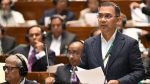


The new commerce minister, Khandaker Abdul Muktadir, said the government would take steps to defer Bangladesh’s graduation from least developed country status, signalling that preparations were already under way to secure additional time before full transition.
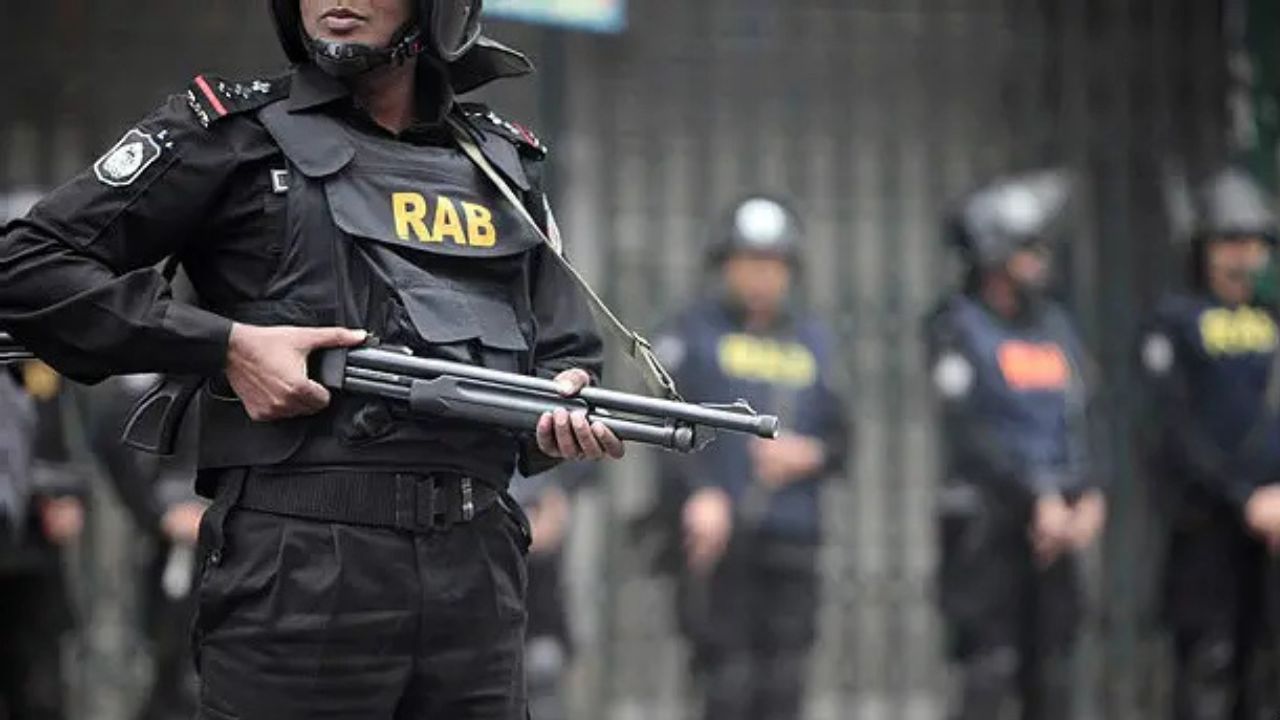
Home Minister Salahuddin Ahmed struck a firm tone on public order, declaring that mob justice would no longer be encouraged. He called for accountability and transparency within the ministry and pledged to rebuild the image of the police force, which he acknowledged had been damaged in recent years.
Law Minister Md Asaduzzaman said the government would work in memory of those who had sacrificed their lives over 17 years in the struggle to protect democracy. Trials for crimes against humanity would proceed in accordance with the law, he said, while also reviewing any alleged misuse of legal provisions.
Information Minister Zahir Uddin Swapan promised to foster a climate free from fear for the media, emphasising that journalists should be able to present information to the public without intimidation and within a clear policy framework.
Education Minister ANM Ehsanul Haque Milon vowed that exam paper leaks and mass cheating would not return. He outlined plans to review the curriculum, strengthen digital literacy and English proficiency, and introduce emerging fields such as nanotechnology, artificial intelligence and robotics in line with the demands of the Fourth Industrial Revolution. Education reform, he said, would be closely aligned with employment opportunities for graduates.
Health Minister Sardar Md Sakhawat Hossain Bokul declared a corruption-free health ministry as his foremost priority. He stressed punctuality among doctors and said efforts would be made to ensure that citizens would not need to travel abroad for treatment except in the most complex cases.
The day carried both the weight of expectation and the symbolism of return. For a party that had been out of office for almost 20 years, the first working day was as much about setting tone as it was about policy. Whether the pledges of transparency, liberalisation and institutional reform translate into lasting change will be judged in the months ahead.
For now, the message from the new cabinet was one of resolve: to govern with renewed authority, and to reshape the state in its image after years in opposition.