
Let us talk about electronic waste (e-waste). We should have proper knowledge about the life-threatening issues that causes significant health and environmental risks of millions globally.
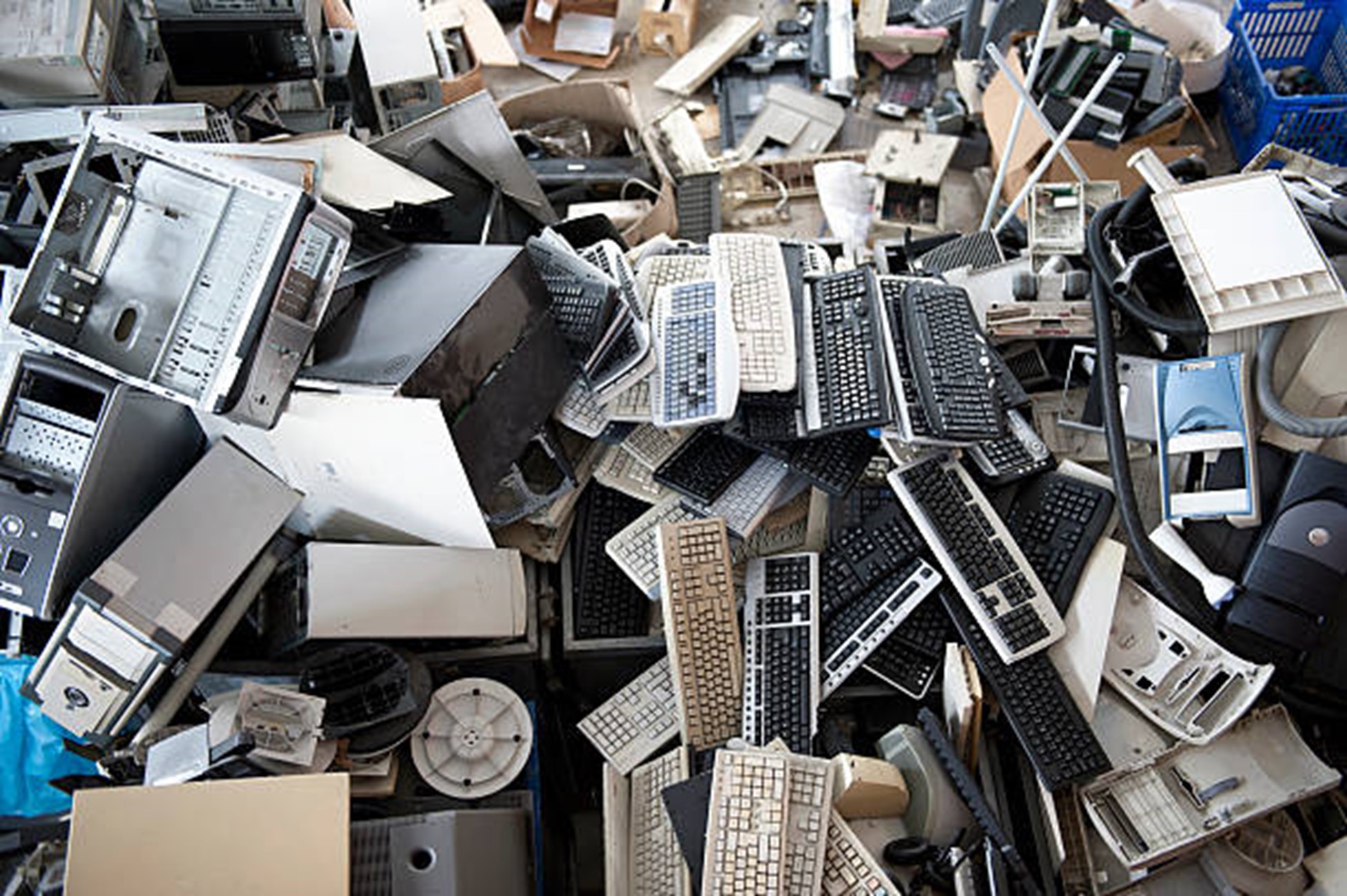
E-waste refers to discarded electrical or electronic devices with plugs or batteries, like phones, computers, and appliances. It is one of the world’s fastest-growing waste streams, posing significant health and environmental risks that contaminate soil, water, and air.
E-waste fuels climate change by releasing potent greenhouse gases GHGs, HFCs, CO2, and methane from improper disposal, burning/landfills. And through energy-intensive production/mining, demanding huge energy, often fossil fuels, and resources.
Such forms of waste is a rapidly growing environmental and health crisis in Bangladesh. It is generating millions of tons annually from increasing tech use and being dumped illegally by developed nations.
UNICEF estimates that around 1 in 3 children (up to 800 million globally) have blood lead levels at or above 5 micrograms per decilitre (µg/dL), the level at which requires action. In Bangladesh, it is estimated that 35.5 million children are affected with blood lead levels above 5 μg/dL. It is making the country the fourth most-seriously hit in the world in terms of the number of children affected.

Increased consumption of electronics makes it a rapidly growing waste stream. They contain hazardous substances such as lead, mercury, cadmium, and persistent organic pollutants. Improper disposal and open-burning releases toxins, contaminating the environment and harming human health.
Different studies show that Bangladesh generates a significant amount of e-waste, with estimates often hovering around 3 million metric tons annually. It is driven by high consumption and the country being a major importer and recycler of e-scrap, particularly from the shipbreaking industry. This waste stream is growing rapidly with some sources noting an annual increase of 20-30 percent. It includes substantial contributions from refrigerators, TVs, and mobile phones.
Key challenges include poor management, hazardous informal dismantling, and lack of effective enforcement of the Hazardous Waste (e-waste) Management Rules 2021 of Bangladesh government. It is creating urgent needs for formalisation, stricter regulations, and creating awareness.




E-waste in the global south presents a dual challenge. It’s a toxic burden from imported waste and a valuable resource, with informal sectors often resorting to crude methods, burning, acid leaching. It also releases heavy metals and toxins, causing severe health and environmental damage.
Developed countries generate much of it. They often export it illegally to poorer countries lacking proper recycling infrastructure, exploiting cheap labour for valuable materials like gold and copper. It produces a cycle of pollution, disease, and resource recovery paradox.
International treaty like the Basel Convention, that was designed to reduce the movements of hazardous waste between nations, and specifically to restrict the transfer of hazardous waste from aim to control. But implementation struggles, with growing domestic consumption and inadequate local systems worsening the crisis.
Key facts of e-waste estimated by World Health Organization (WHO) show that in 2022, an estimated 62 million tonnes of e-waste were produced globally. Only 22 percent was documented as formally collected and recycled. International Labour Organization (ILO) and WHO estimate that millions of women and child labourers working in the informal recycling sector globally at risk of hazardous e-waste exposures. The Lancet of the British medical journal mentioned that children involved in the informal e-waste sector risk physiological damage from toxic chemicals and fumes as well as physical injury.
In 2019, 54 million tonnes of e-waste were generated, a 21 percent increase over the past 5 years. That increase is projected to grow. Less than a fifth of e-waste produced in 2019 reached formal waste management or recycling systems. By 2030, global employment in the waste management sector is projected to increase by 70 percent from 64 million to over 100 million.
The Lancet calls for binding action by governments, exporters, importers to ensure the safe disposal of e-waste along with the health and safety of workers, their families. Also, it calls to encourage the manufacturers of more durable electronic and electrical equipment.
Therefore, urgent global action is needed to protect the millions of women. men and children around the world. They are facing a health crisis due to the burgeoning electronic and electrical waste industry.
Voices for Interactive Choice and Empowerment (VOICE) published a report titled: E-waste Management and Environmental Sustainability in Bangladesh, 2021 that recommended raising awareness among the manufacturers, sellers, businesses entities, service providers, recyclers, and the consumers of electronic and electrical products urgently. The Bangladesh Environment Conservation Act, 1995 and Hazardous Waste (e-waste) Management Rules, 2021 is the immediate demand of time to properly enforce.
Capacity of the concerned departments of the government should be strengthened. And a formal monitoring and reporting system of e-waste collection, processing, recycling needs to be continued. Establishing e-waste treatment plant on public- private partnership (PPP/ Nonprofit basis) initiative is imperative in engagement of all the stakeholders.
The writer is a journalist and researcher