Mexico’s government said Friday that about one-third of the country’s 130,000 registered missing persons may still be alive, based on official records indicating signs of life.
The statement prompted immediate backlash from families and search groups, who accused authorities of minimizing the true extent of the country’s disappearance crisis.
Officials said cross-checking vaccination records, birth and marriage registries, and tax filings revealed 40,367 missing people — about 31% of the total — had activity in official records.

Authorities confirmed 5,269 of them had been located and marked as “found.” Marcela Figueroa, a top security official, described some cases as voluntary absences, including men leaving partners or women fleeing abusive situations.
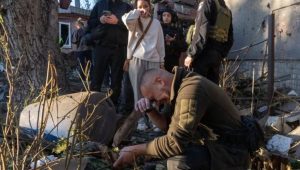
However, search groups like those led by Héctor Flores in Jalisco criticized the methodology as “misleading” and lacking transparency. Families argue such reports risk erasing real cases from official counts, undermining ongoing searches.




Officials acknowledged that 46,000 cases lacked sufficient data for tracking, while 43,128 showed no activity in records, with less than 10% under criminal investigation.
Figueroa said the government is strengthening oversight of local prosecutor offices and improving case documentation.
Human rights advocates, including the Miguel Agustín Pro Juárez Center, welcomed efforts to improve data reliability but said the report minimized state responsibility and offered little practical help for families, who often continue searches at great personal risk.
Since the drug war began in 2006, disappearances have surged, fueled by cartel violence and, in some cases, state complicity, leaving families demanding transparent, effective measures to locate missing loved ones.