Bangladesh’s measles outbreak is showing signs of resurgence, with deaths rising again after a steady decline from the peak of the crisis.
A total of 131 deaths were recorded between July 15 and August 15, up from 115 in the previous 31-day period. The daily average death rate increased by around 14%, while infections remained above 1,000 a day.
The outbreak reached its peak between mid-April and mid-May, when both deaths and infections recorded their highest daily averages. Although fatalities declined over the next three periods, the latest figures indicate that the downward trend has started to reverse while transmission remains high.
According to data from the Directorate General of Health Services (DGHS), the country recorded 902 measles-related deaths between March 15 and August 15. Of these, 803 were among patients with measles symptoms, while 99 were laboratory-confirmed measles deaths.
During the same period, 141,776 people were reported with measles symptoms and 17,800 cases were laboratory-confirmed, taking the total number of affected people to 159,576.
Over the 153-day period, the country recorded an average of 5.9 deaths and 1,044 affected people every day.

The worst phase of the outbreak was between April 15 and May 15, when 253 deaths were recorded in 30 days, averaging 8.4 deaths a day. This was around 32% higher than the previous period. During the same period, 40,893 people were affected, with a daily average of 1,363 cases.
Between March 15 and April 15, the country recorded 198 deaths, averaging 6.4 a day, while 22,134 people were affected during the period.
Deaths declined to 205 between May 15 and June 15, reducing the daily average to 6.6. However, infections remained high, with 34,283 people affected, or 1,106 cases a day on average.
The downward trend continued between June 15 and July 15, when 115 deaths were recorded, bringing the daily average down to 3.8. However, 30,761 people were still affected during the period, averaging more than 1,025 cases a day.
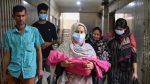

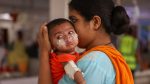

The latest period saw deaths rise again. Between July 15 and August 15, 131 deaths were recorded, pushing the daily average to 4.2. A total of 31,505 people were affected, with the daily average standing at around 1,016.
The renewed rise comes despite an emergency vaccination campaign launched as the outbreak intensified. The government began the campaign on April 5 in 30 high-burden upazilas across 18 districts. It was expanded to Dhaka South, Dhaka North, Mymensingh and Barishal city corporations on April 12 before being rolled out nationwide on April 20.
The campaign targeted 18,015,064 children and vaccinated 19,326,894. Separately, 22,360,509 children received Vitamin A capsules during the June 28 Vitamin A Plus campaign against a target of 22,661,564.
Earlier this August, DGHS Director General Prof Pravath Chandra Biswas acknowledged that the number of children missed during the measles vaccination campaign was higher than initially estimated.
“Our initial target was 18 million children. We found that many more children remained outside our original estimate,” he told TIMES of Bangladesh.
Biswas said the government was continuing vaccination through routine services and had instructed local health authorities and frontline health assistants to identify and vaccinate children who were missed.
He said many recently infected children had missed vaccination because they were unaware of the programme, were away from home or did not consider it important.
The admission came amid concerns from health experts over gaps in the vaccination drive. They said Bangladesh failed to achieve the 95% vaccination coverage required to interrupt measles transmission, leaving millions of children outside the initial target.
Public health expert Professor Benazir Ahmed said the campaign was rushed and lacked adequate preparation and public awareness. He said many parents were unaware that the measles vaccine had been brought forward to six months, while inaccurate targeting left more than four million children unreached.
“The main issue is that we did not develop the herd immunity we were targeting. Now the transmission has become widespread, affecting different age groups, including children below nine months and older people. This is why the deaths and affected are not slowing down,” he told TIMES.
Mushtuq Husain, former chief scientific officer at the Institute of Epidemiology, Disease Control and Research (IEDCR), said authorities must now focus on identifying children who remain outside the vaccination programme.
He called for stronger micro-planning to ensure missed children are reached.
“The micro-planning should have been done alongside the vaccination drive. Health workers should go door to door with volunteers and prepare a real-time list of children, including their names. It could not be done then, but now it must be done,” he told TIMES.
With infections still averaging around 1,000 a day, experts said closing vaccination gaps and identifying missed children remain critical to containing measles transmission.