


Mofazzel Hossain Barishal
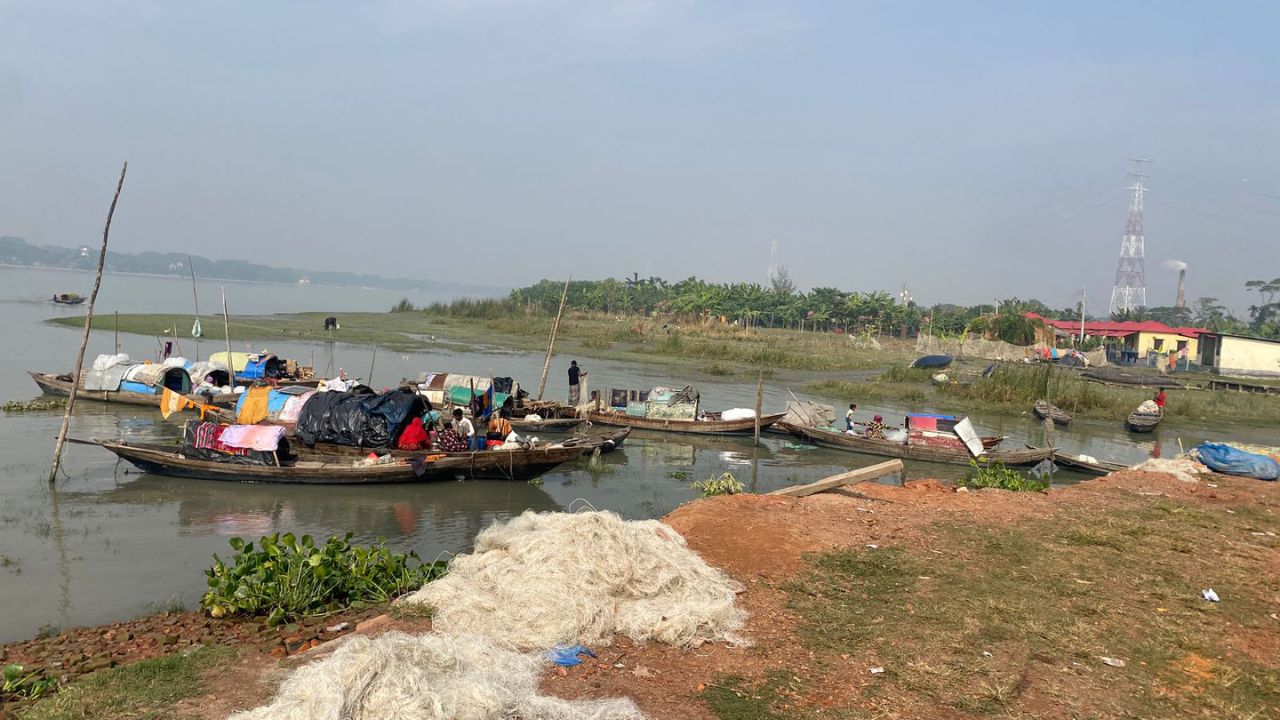
For generations born on rivers, living on boats and battling waves for survival, the idea of the state remained distant for the Manta community in Barishal, blurred and largely inaccessible.
Anthropologists opined that the Manta community in Barishal are river gypsies, landless, nomadic fisherfolk who live their entire lives on boats, depending on rivers for food, income, and shelter.
Forced into this life mainly by river erosion and climate change, generations of Manta families have grown up floating between waterways with little access to education, healthcare, or basic services.

Long treated as invisible by the state, they are among the most marginalised communities in Southern Bangladesh, though recent efforts have begun to recognise their rights and identity.
This reality is set to change in the 13th parliamentary election, as members of the river-dwelling community prepare to cast their votes for the first time, marking what they describe as their first real taste of citizenship.
Around 400 people from 179 Manta families live at Laharhat in Tungibaria Union of Barishal Sadar Upazila, with more than 100 of them newly registered as voters.



Community leader Zakir Hossain said elections had come and gone in the past, but the Mantas had remained outside the civic system. “We never had the opportunities that people on land enjoy. No candidate ever came to us. This time we are voters, and we will choose a candidate who understands our suffering,” he said.
For first-time voter Alamgir, the right to vote carries a deeper meaning linked to dignity and recognition. He recalled being harassed by police when returning late at night and failing to show identification. “We had no papers to prove who we were. With a national identity card, I can now stand tall and give my identity,” he said.
Elderly community member Samiron Bibi pointed to daily struggles that continue to define life on the river. Declining fish stocks have made poverty a constant companion, she said, while even finding a place for burial remains a challenge. “We will vote for whoever promises to address these problems,” she added.
Barishal Sadar Upazila Election Officer Mostafa Kamal said arrangements had been made to ensure the Manta community could exercise their voting rights, as elsewhere in the country. “We have taken all necessary measures. We hope everyone will be able to vote peacefully and smoothly,” he said.
The process of bringing the community into the electoral roll was not straightforward. Chandradwip Development Society, a local non-government organisation, has worked for years to integrate the Mantas into the mainstream.
Project coordinator Mohananda Das said voter registration was the biggest hurdle. “They did not even know what a national identity card was. Explaining its benefits and building trust took the most time,” he said, adding that repeated visits were needed to raise awareness about citizenship.
Rafiqul Islam, Barishal editor of Citizens for Good Governance (Sujan), said candidates contesting the election should clearly outline plans for the development of the Manta community in their manifestos. “Those who can attract the votes of this group will gain a clear advantage,” he said.
As polling day approaches, the Mantas say they are determined to use their newly gained voice to choose a representative who will finally bring them into the fold of national life.