



By nature, humans are social and political beings. Politics has an impact on nearly every aspect of human existence. Thus, one of the most fundamental rights of citizens in a democratic state is political engagement.
People can take part in the state’s policy-making process by exercising this privilege. People can make sure that their opinions, interests, and aspirations are represented in government by having enough political representation. However, both domestically and internationally, women and men continue to have unequal political representation.
Bangladesh has over 127 million registered voters, with roughly 62.9 million women and 64.8 million men, according to the National Voter List 2026. In other words, women constitute about half of all voters in the nation. According to British political theorist Anne Phillips, “The experiences, needs and perspectives of women, who constitute half of the population, can only be adequately reflected in political decision-making through their direct political representation”.
Women are a significant political power, as seen by the high percentage of female voters. Nevertheless, this numerical strength has not been reflected in electoral competitiveness, elected representation, and candidate nominations. This fact is a crucial sign of the ongoing gender gap in political representation.
The role of political parties is especially gender-biased because, despite their formal pledges to support women’s political participation in their manifestos and policy commitments, most of them still give preference to male candidates when nominating candidates for general constituencies.
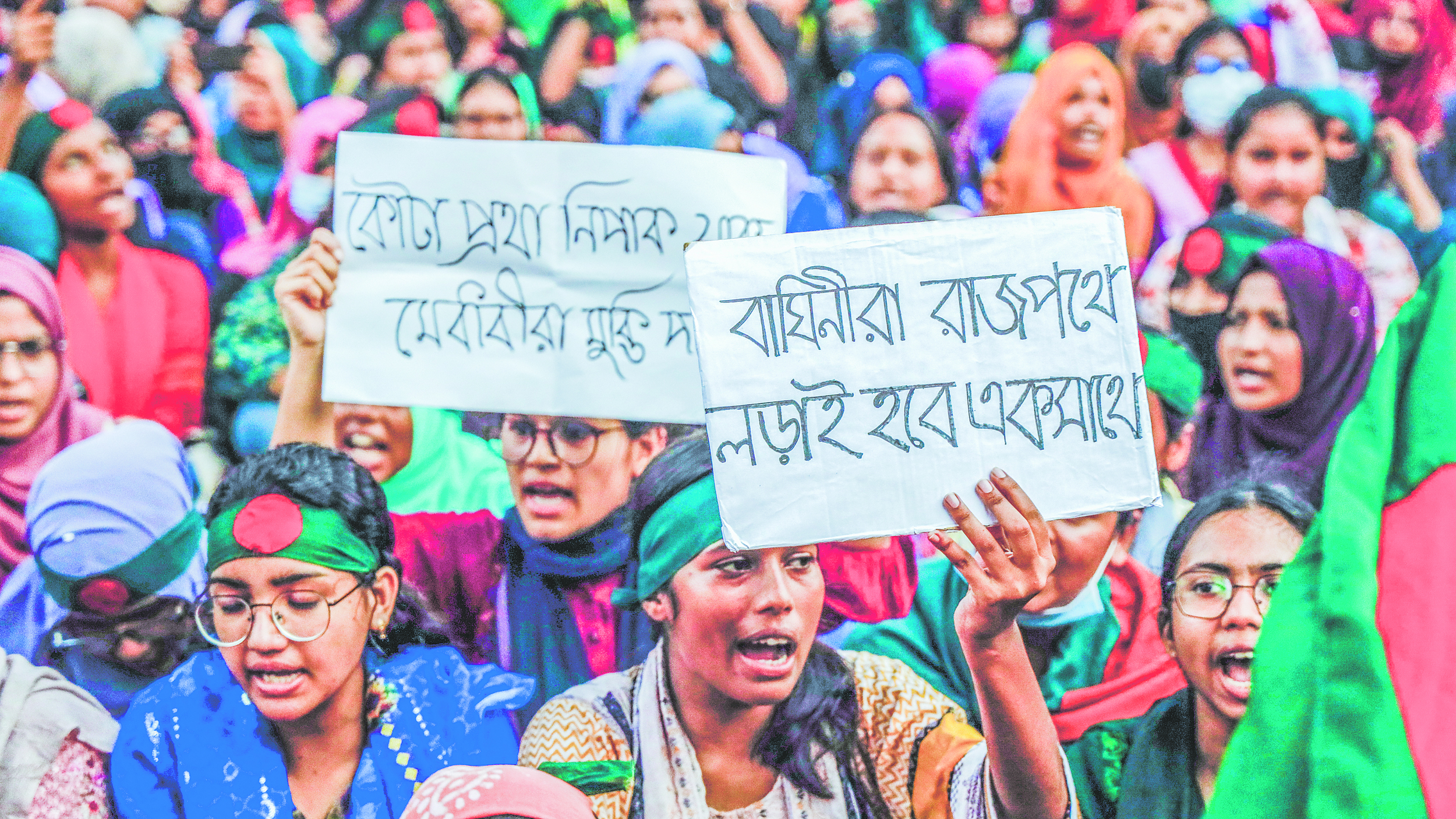
Because of this, women’s political representation opportunities have not increased to the expected level. Although women’s equality and equal political rights are guaranteed by the Constitution and the current legal system, political practice has yet to fully embrace these constitutional ideals. The gender-based structural constraints of party nomination processes are amply demonstrated by this discrepancy.
The results of the 13th National Parliamentary Election also show this reality. This election saw the lowest number and percentage of female candidates in the previous fifteen years. Just 81 (4.08%) of the 1,981 candidates contesting the election were female. Among the 51 political parties participating in the election, 30 parties did not nominate a single female candidate. Except for the 50 seats set aside for women by the Constitution and current laws, only seven women were directly elected to the 299 parliamentary seats.

The history of Bangladesh’s reserved seats for women demonstrates that social influence, wealth, and family political connections have been more important in nominations than political skill, experience, and leadership. The current Parliament still exhibits this tendency.
Transparency International Bangladesh (TIB) reports that 32 of the 50 members chosen to the reserved seats are millionaires, and the majority of the remaining members are either members of well-established political dynasties or have significant social and economic standing. As a result, the original goal has not been achieved. Many experienced and committed women who have worked in grassroots politics still lack opportunities for political representation.
Furthermore, even though the Constitution of Bangladesh explicitly provides for reserved seats for women, it doesn’t separately define the responsibilities or jurisdiction associated with these positions. In reality, a region that already has a directly elected member of parliament is represented by a reserved-seat member of parliament. As a result, reserved-seat members’ political power and sphere of accountability are often restricted, and their position often becomes secondary.
Undoubtedly, the reserved-seat system has made women more visible in the National Parliament. But according to political theorist Hanna Pitkin, “Representation is not simply a matter of presence; rather, it concerns the capacity to effectively advance and represent the interests of the people.”
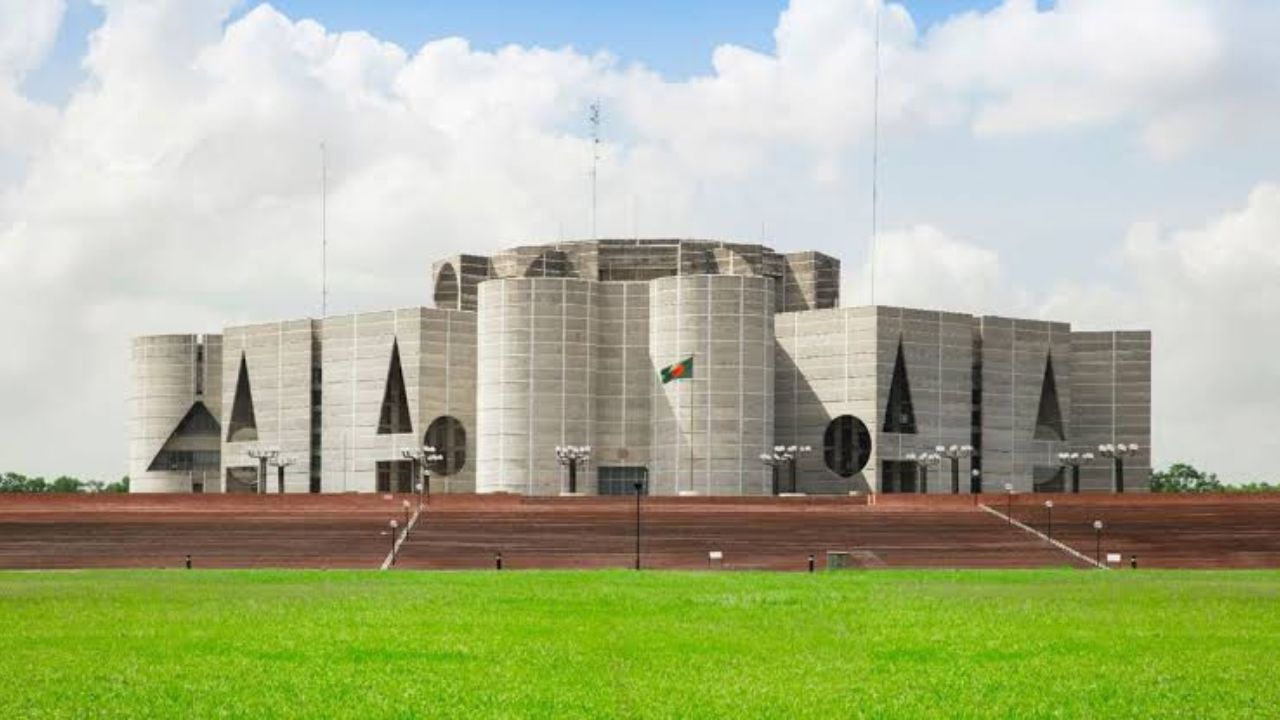


Therefore, authority, the ability to make decisions, the creation of policies, and the pursuit of social justice are all inseparably related to true political representation. This raises the crucial question of whether the reserved-seat arrangement actually ensures women’s meaningful political participation and direct political involvement. Such representation cannot genuinely provide democratic inclusion if women are unable to participate effectively in policymaking and decision-making.
For almost 33 years, women have consistently held the highest positions in Bangladesh’s political hierarchy. Women have held positions as Speaker of the National Parliament, Leader of the Opposition, and Prime Minister. As a result, Bangladesh is frequently cited globally as an effective illustration of women in political leadership. Beneath this apparent success, however, comes a more complex reality. Women have traditionally held prominent positions in state government, yet they are still shockingly underrepresented in the National Parliament.
This scenario is explained by a number of structural variables. Bangladesh’s political culture is still deeply patriarchal, with political leadership being seen as primarily the domain of men. Because of this, women face obstacles at every level of political engagement, including in political parties, the administration of elections, and the wider range of social power.
High campaign expenses, a lack of financial resources, a lack of political contacts, a lack of party support, and the possibility of electoral violence discourage women from contesting elections. The statistics and outcomes of the National Parliamentary Election 2026 can be regarded as a clear reflection of these structural barriers.
The Election Commission of Bangladesh has already announced a tentative schedule to commence local government elections from September or October this year. Therefore, issues beyond parliamentary politics alone are raised by women’s low participation in the National Parliamentary Election. Additionally, it opens the door for women’s political participation in local government to be reevaluated in the future. At the local level, the state and its residents have the most direct contact.
Because of this, many people believe that local government is the cornerstone of democracy. In addition to being local administrative organisations, organisations like the Union Parishad, Upazila Parishad, Municipality, and City Corporation serve as the primary training grounds for future national political leaders. Therefore, the question of whether the discriminatory realities that emerged in the national election will recur in local government elections is crucial.
The political obstacles that women face at the local government level are even more intricate and multifaceted. Women’s political engagement is significantly hampered by social conservatism, family control, financial limitations, the impact of local power structures, political violence, and deeply ingrained social stereotypes. Nevertheless, the present system of local administration often reinforces these limitations.
In many cases, the reserved-seat system serves as a means of achieving only limited representation rather than genuine empowerment, even though it has enabled women to take part in politics at the local level. Many women who have been elected as members or councillors are still unable to carry out the duties that were expected of them in areas such as budget preparation, the implementation of projects, decision-making and administrative influence, even after being elected.
As a result, the case is that disparities in the actual distribution of political power persist even when there is numerical representation. Women who have been elected are still often seen as symbolic representatives rather than as independent political leaders, and this perception remains one of the main obstacles to democratic inclusion.
Yet social views alone cannot account for these difficulties since the policies of political parties with regard to the nomination of candidates are equally significant. If, as was the case in the national parliamentary elections, women are still mainly confined to reserved seats in local government elections and receive only a small number of nominations for general constituencies, an increase in the number of women will not indicate real political empowerment.
This approach will hinder the development of women’s leadership at the local level and, in the end, will weaken the pathway that leads to the emergence of capable, competent, and politically mature women leaders at the national level.
Consequently, women’s limited direct representation in the 2026 National Parliamentary Election is not merely an electoral figure; it is a sign of a deeper structural failure in Bangladesh’s democratic system, in the competitiveness of its electoral politics, in the representativeness of its administration, and in its commitment to equal political participation by men and women. There is more than just a need for gender equality to encourage greater women’s political involvement.
It is closely linked with state responsibility, the democratic character, and the participatory aspect of the nation’s development process. Women must be acknowledged as autonomous political leaders, policymakers, and equal partners in political power, not just as voters or holders of reserved seats, if Bangladesh is to create a participative, accountable, and representative democracy.
In order to accomplish this goal, political parties must nominate a significantly higher number of female candidates for general constituencies, increase financial assistance for female candidates, implement efficient policies to stop political violence and harassment, and guarantee women’s significant involvement at all levels of internal party decision-making.
Simultaneously, it is equally important to reinforce institutional power, clearly define tasks, and increase the ability of women elected to local government organisations. Increasing the number of women by using reserved seats alone won’t lead to significant political empowerment without these reforms. Rather, both national and local government elections will continue to replicate the same patterns of structural gender inequality.
In the end, such a result would erode the basis of Bangladesh’s participatory democracy and jeopardise the nation’s goal of establishing a genuinely representative form of government. Bangladesh can only achieve the democratic values of inclusive representation and genuine political equality envisioned in its Constitution when women have equal opportunity to compete, lead, make decisions, and influence public policy.
The author is an Academic and Researcher. E-mail:[email protected]