A volatile combination of a severe fuel crisis and a sweltering heatwave has crippled electricity production in Bangladesh, triggering nationwide load-shedding and prompting power distributors to seek urgent police protection against an increasingly agitated public.
Bangladesh Palli Bidyut Association (PBABD) has formally requested the Inspector General of Police (IGP) to bolster security for grids, substations, and offices across its 80 associations, citing rising incidents of vandalism and threats to staff.
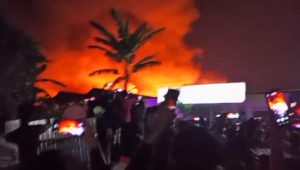
In a letter to the IGP on Wednesday, PBABD Office Secretary Mahbubur Rahman emphasised that the massive gap between power demand and supply has led to prolonged, irregular outages, particularly in rural areas. This has resulted in mounting public anger, with several power offices and substations already coming under attack.
However, Bangladesh Rural Electrification Board Member (Planning and Development) Md Shahidul Islam said, “This organisation [PBABD] has no legal basis. Palli Bidyut Samity claimed it has no connection with this letter.”
Security concerns, telephone threats
The safety of power officials has reached a critical point, with staff now performing their duties in a state of constant fear and insecurity.

BPBA Organising Secretary Engineer Monir Hossain warned that any attack on Key Point Installations (KPIs) would result in significant, long-term damage. Beyond physical vandalism, officials in multiple districts reported being victims of threats over the telephone, further escalating the sense of alarm.
In light of these risks, BPBA has requested the IGP to direct local law enforcement to intensify security measures.
Copies of the request have been dispatched to the Ministry of Power, Energy and Mineral Resources, the Bangladesh Rural Electrification Board (BREB), and to every District Commissioner (DC), Superintendent of Police (SP), Upazila Nirbahi Officer (UNO), and Officer-in-Charge (OC) of police stations nationwide.


80% of consumers affected
The Palli Bidyut Samity (PBS) serve approximately 40 million of the country’s 52 million electricity consumers, accounting for nearly 80 per cent of the total user base.
Authorities clarified that these associations do not produce electricity; they merely distribute the allocation received from the national grid.
The supply gap is staggering: while the average demand for the PBSs has recently hovered between 8,000 MW and 9,000 MW, they have only been allocated 5,000 MW to 6,000 MW.
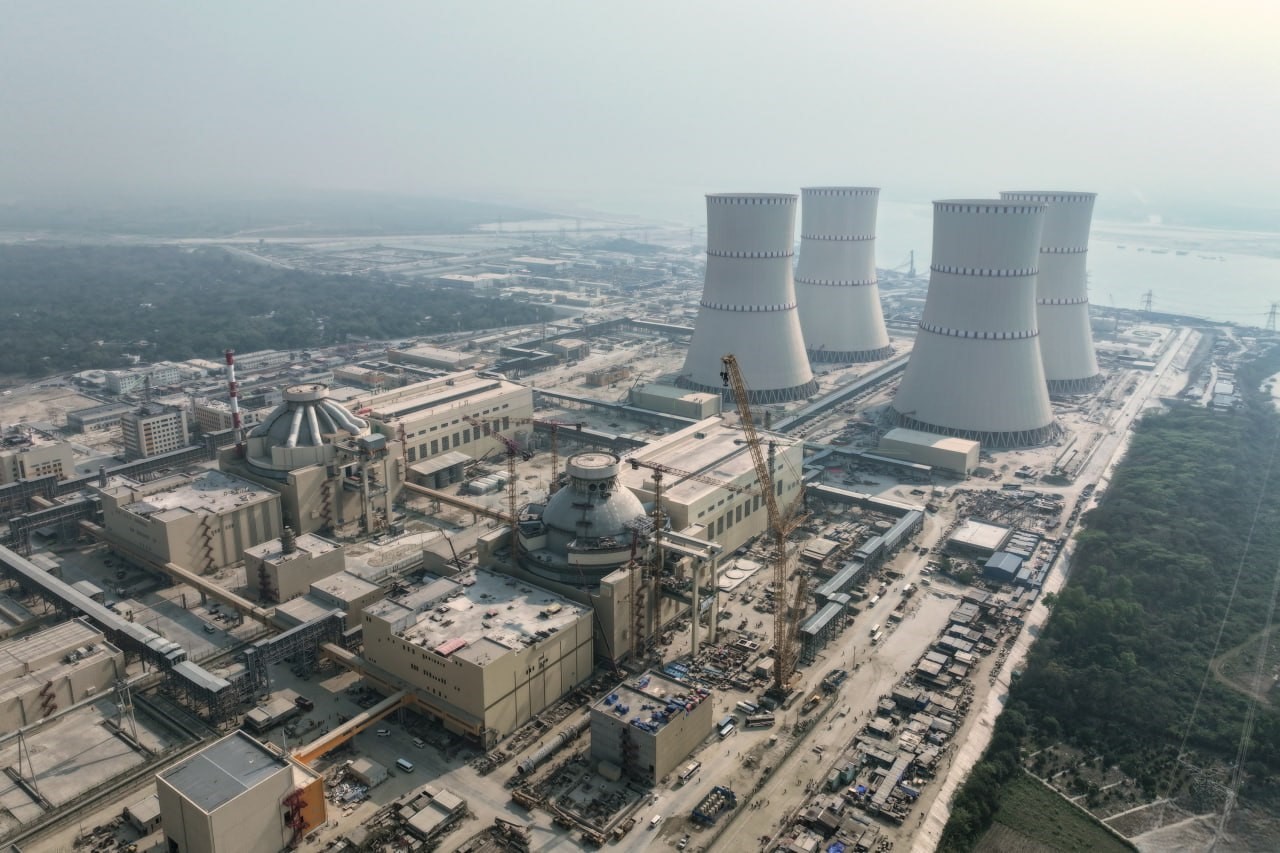
On a national scale, although the total generation capacity is officially nearly 29,000 MW, the fuel crisis has restricted peak supply to just 12,500 MW – far below the demand of over 16,000 MW. Consequently, more than half of the national production capacity remains unutilised.
Regional crises, rising social risks
The situation is particularly dire in Gopalganj, where residents are facing blackouts for 16 to 17 hours out of every 24-hour cycle.
Last Tuesday, the West Zone Power Distribution Company (WZPDCL) in Gopalganj sought security from the District SP, noting they receive only 9 to 10 MW against a demand of 18 MW.
Executive Engineer Md Main Uddin expressed fears that frustrated customers may launch direct attacks on offices and substations.
Similar tensions are mounting in Nilphamari’s Domar. Last Sunday, AKM Alauddin, Deputy General Manager (DGM) of the Nilphamari Palli Bidyut Samity Domar Zonal Office, submitted a written application to the Domar Police Station.
He requested continuous night patrols for the zonal office, substations, and complaint centres following extreme public dissatisfaction.
The human toll is significant, with some areas remaining without power for 72 to 79 per cent of the day. Refrigerated food is spoiling, students’ studies are being disrupted, and the elderly and children are falling ill due to the heat.
In some regions, desperate customers have even held electricity workers hostage. Officials warn that the crisis is rapidly evolving from a technical supply issue into a significant social and law-and-order risk.
They maintain that without immediate coordinated action regarding fuel imports, internal production capacity usage, and grid management, the situation will deteriorate further.