The conflict in the Middle East, centred on the strategically vital Strait of Hormuz, is offering a stark lesson for maritime nations, including Bangladesh, as the United States–Israel war on Iran enters its third week.
Even the world’s most powerful navy is struggling to guarantee safe passage for commercial shipping through the narrow and highly contested waterway, according to multiple assessments.
The US Navy has declined repeated requests from the global oil industry to escort tankers through the strait, citing rising risks from Iranian capabilities such as naval mines, fast-attack boats, drones and coastal missile systems.
Despite the presence of advanced aircraft carriers and allied naval assets nearby, the 33-kilometre-wide strait has effectively become a high-risk zone, underscoring a shift in modern warfare where naval superiority does not ensure control over chokepoints.
For Bangladesh, analysts say the implications are immediate, as the country depends heavily on maritime routes for trade, energy imports and economic stability.
“The lesson is clear,” former Rear Admiral Md Khorshed Alam said. “Large surface vessels are increasingly vulnerable in modern conflict environments, especially in narrow or congested waters.”

Bangladesh’s maritime domain, though different from the Persian Gulf, shares similar vulnerabilities, with key sea lanes, ports and coastal channels exposed in potential conflict scenarios.
Analysts warn that in any confrontation involving neighbouring countries such as Myanmar or larger powers, reliance on traditional surface fleets could leave critical assets exposed to missiles, drones and underwater threats.
The evolving nature of warfare is also challenging long-held naval doctrines inspired by Alfred Thayer Mahan, which emphasised large blue-water navies to control sea lanes.
Bangladesh has followed elements of this approach, investing in frigates and other surface combatants, but recent conflicts suggest such assets are increasingly vulnerable in high-intensity warfare.



A relatively inexpensive naval mine can disable a billion-dollar warship, while land-based missile systems, drone swarms and submarines can turn coastal waters into contested zones where large ships become easy targets.
“The Bay of Bengal can no longer be seen as a safe operating space for large fleets,” Alam said. “It is becoming a contested littoral environment where geography and asymmetric capabilities matter more than sheer naval size.”
Experts say Bangladesh should adopt a more cost-effective, defensive maritime strategy tailored to its geography and security needs.
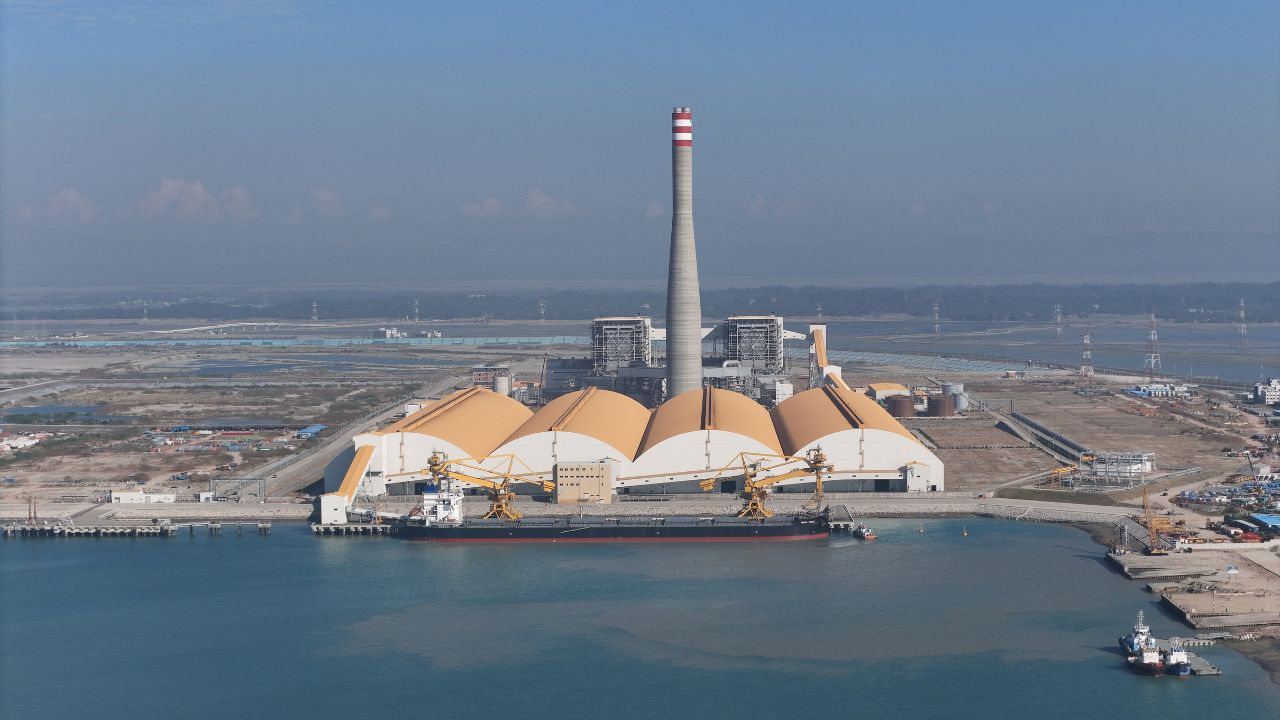
Key priorities include securing access to Chattogram Port and Matarbari, monitoring the Swatch of No Ground near the Sundarbans, keeping the Sandwip Channel operational, and developing alternative routes and concealed operational zones.
The Swatch of No Ground, located about 22 kilometres from the Sundarbans and reaching depths of up to 2,000 metres, is particularly significant due to its accessibility to large naval platforms.
Former vice admiral Md Khurshed Alam said Bangladesh must rethink its investment priorities, warning that surface ships are becoming liabilities as modern surveillance systems can track them continuously.
He urged redirecting resources towards more survivable capabilities, including attack submarines, long-range missile systems, mine-laying capacity, underwater drones and hardened coastal facilities.
“Every large platform we build becomes a potential target,” he said. “Bangladesh cannot afford to lose billion-dollar assets in the first wave of a conflict.”
Analysts also emphasise leveraging Bangladesh’s geography by strengthening coastal and island defences.
Transforming key islands into “unsinkable carriers”, equipped with missile systems, radar and defensive infrastructure, could provide a resilient and cost-effective deterrent while protecting maritime routes.
The crisis in the Strait of Hormuz highlights a broader shift in global military dynamics, where smaller, agile and technologically advanced systems are increasingly outperforming traditional large platforms.
For Bangladesh, adapting to this reality is no longer optional.
“The time for course correction is now,” Alam said. “Investing in asymmetric capabilities and defensive depth will help protect Bangladesh’s maritime interests in an increasingly uncertain world.”
As global conflicts reshape military thinking, Bangladesh faces a strategic choice between pursuing traditional naval ambitions and adopting a doctrine better suited to modern warfare.